-
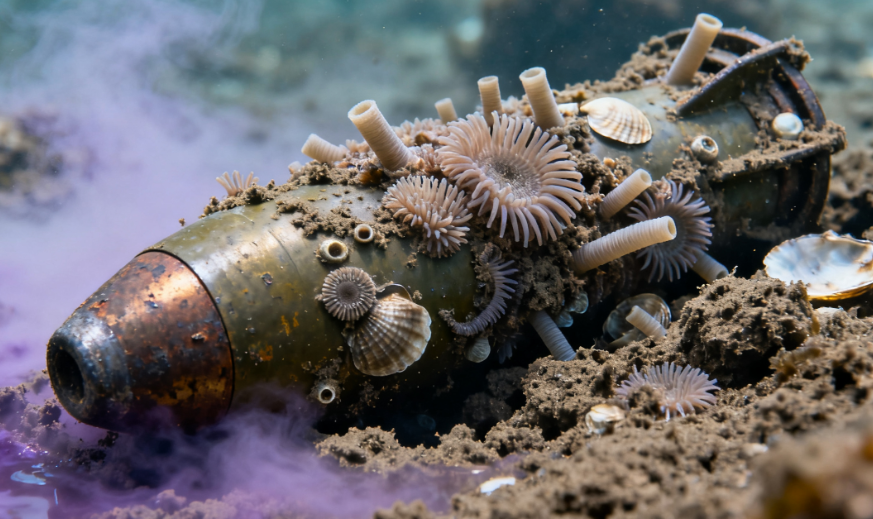
Baltic Sea WWII Munitions Become Unexpected Ecological Habitats
A September 25 study in Communications Earth & Environment reveals that while WWII munitions on the Baltic Sea floor release toxic substances like TNT, their hard surfaces attract five times more marine life—such as tube worms and shellfish—than sedimentary areas. The study suggests this paradoxical “coexistence of pollution and habitat” may occur because the munitions’…
-
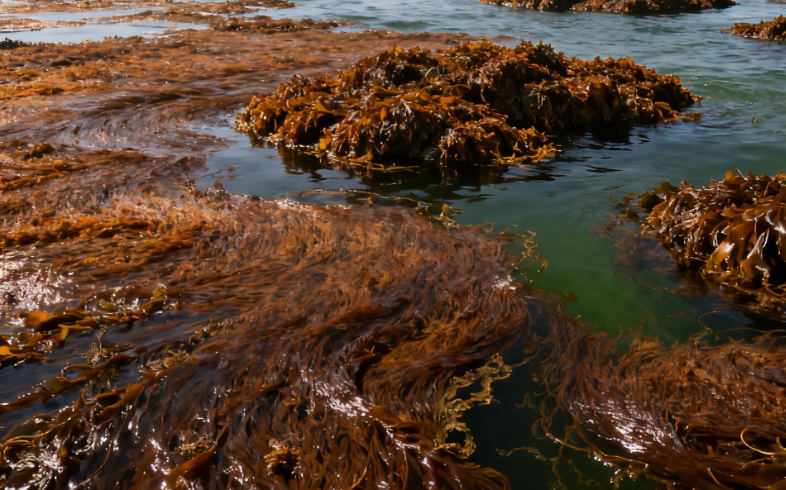
Atlantic Drifting Seaweed Surges in Numbers
Scientists at Florida Atlantic University’s Harbor Branch Oceanographic Institute recently released a comprehensive review on Atlantic drifting brown algae. The study reveals that this free-floating brown seaweed is spreading across the Atlantic at an alarming rate, driven by both natural variations and nutrient inputs triggered by human activities. Nutrient inputs from human activities intensify impacts…
-
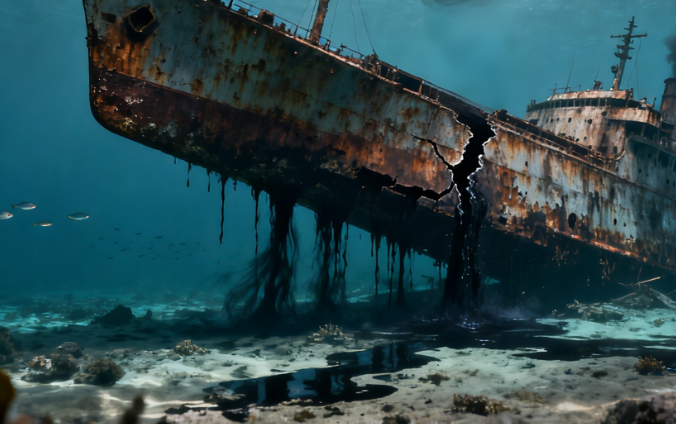
Fuel Leak Occurs from Sunken Ship Near Federated States of Micronesia
In September local time, Chuuk State in the Federated States of Micronesia declared a state of emergency due to a fuel leak from a World War II-era shipwreck. Local divers discovered the Japanese vessel Rio de Janeiro Maru leaking fuel, with the oil slick spreading over approximately 3.4 miles of coastline. The spill has affected…
-
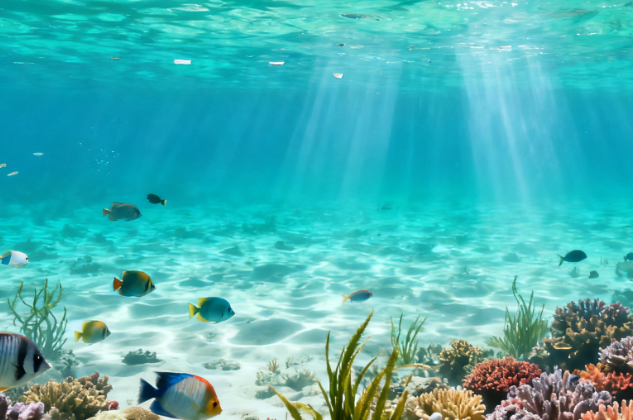
Indonesia Launches “Healthy Zero-Waste Ocean” Initiative
Recently, Indonesia’s Ministry of Marine Affairs and Fisheries launched the “Healthy Waste-Free Ocean” initiative and national mangrove conservation zone development to comprehensively advance integrated marine ecological management. The plan aims to implement coordinated land-sea governance measures for end-to-end control of marine debris, striving to reduce waste discharged into the ocean by 40% by 2026 and…
-
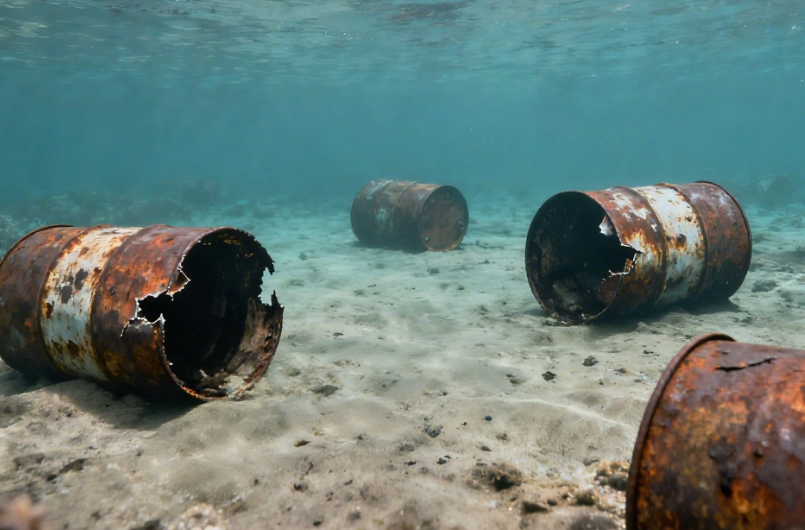
Toxic Waste Left for Decades Discovered on Los Angeles Seabed
A recent study by the Scripps Institution of Oceanography at the University of California, San Diego reveals that old barrels left on the seabed near the Los Angeles coast from the 1930s to the 1970s continue to leak toxic substances into the ocean. In addition to containing DDT, these barrels may also hold corrosive alkaline…
-
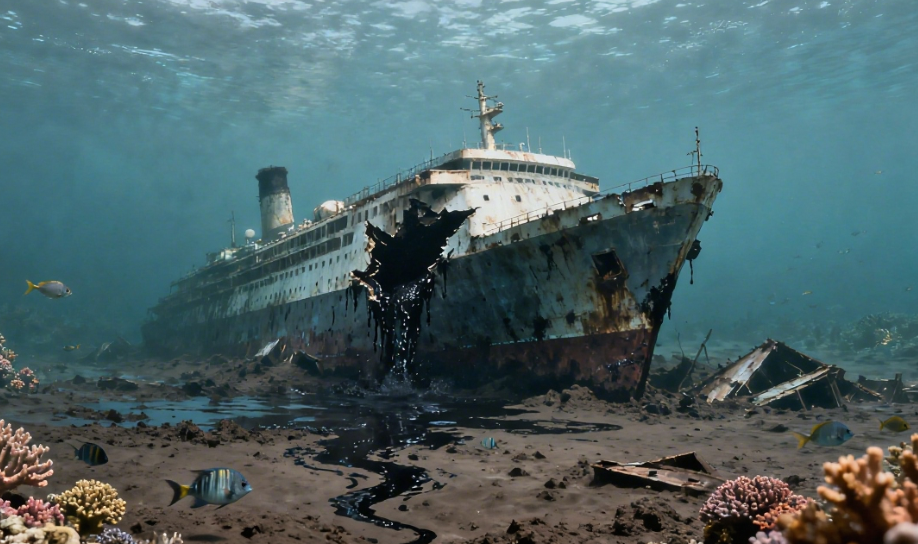
Philippine Oil Tanker Spill Continues to Worsen
On September 8, the Philippine Coast Guard announced that nine new valve leak points were discovered on the “Terranova” oil tanker (carrying 1.4 million liters of industrial fuel), which sank in Manila Bay in July 2024. The leaked fuel has formed a 3.7-kilometer-long oil slick, spreading with monsoon winds and ocean currents into ecologically sensitive…
-
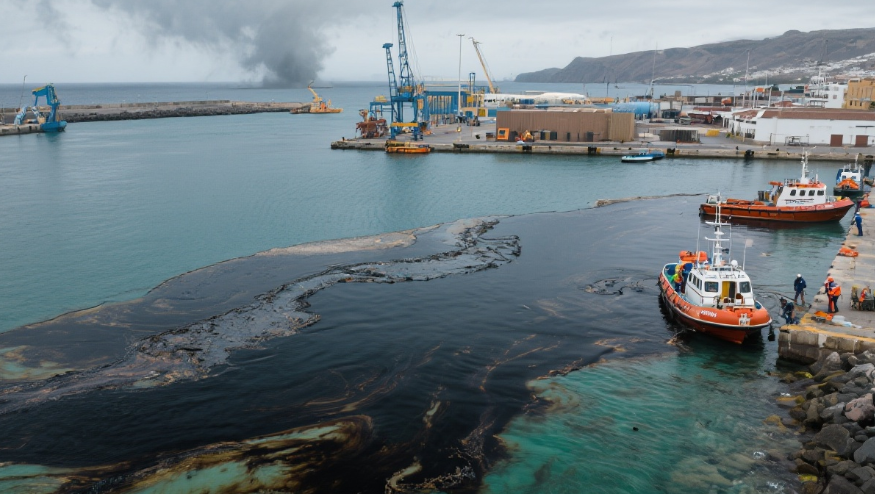
Fuel Spill at Puerto de Las Palmas, Gran Canaria, Spain
In September local time, approximately 3 tons of ultra-low sulfur fuel leaked into the sea from the Liberian-flagged cargo ship MSC Elsa 3 during refueling operations at Puerto de Las Palmas, Gran Canaria. The oil slick rapidly spread across a 2-kilometer-long and 400-meter-wide area, prompting local authorities to close multiple beaches and issue a red…
-
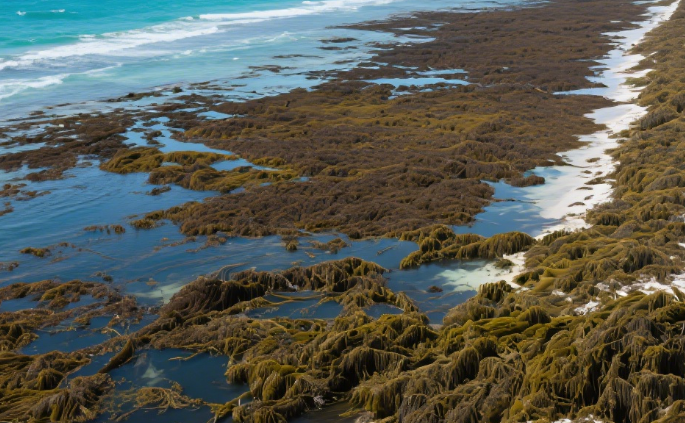
Sargassum Algae Invasion Devastates Mexico’s Caribbean Coast
Mexico’s Yucatán Peninsula coastline has suffered an unprecedented invasion of Sargassum algae, with 4,236 tons of seaweed cleared from just seven ports in Quintana Roo state. This massive accumulation of floating brown algae not only releases toxic gases like hydrogen sulfide but also causes a 73% drop in seawater oxygen levels and a 5°C temperature…
-
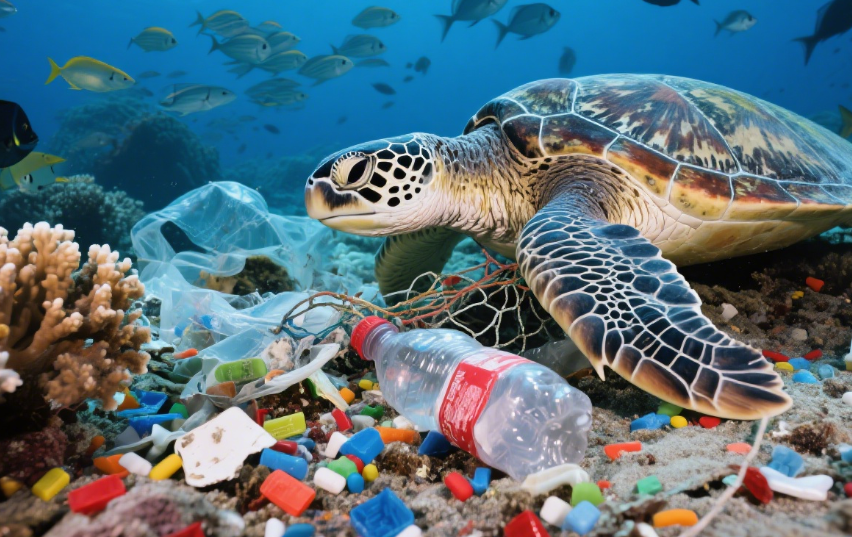
UN Plastic Treaty Negotiations Collapse
In August 2025, the two-year global negotiations for a plastic treaty concluded in failure in Geneva. The core dispute centered on regulating the entire plastic lifecycle: the EU and small island nations advocated restricting virgin plastic production, while the US and oil-exporting nations insisted on a voluntary governance model. The breakdown means that 18% of…
-
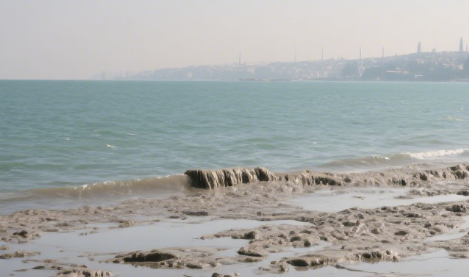
Sea Snot Crisis in the Marmara Sea Continues to Worsen
Large patches of marine mucus—commonly known as “sea snot”—have recently reappeared along the coastline of Beykoz, Istanbul, Turkey. Experts warn this is a precursor to the collapse of the Marmara Sea ecosystem. The slime is caused by untreated sewage and industrial wastewater discharges, leading to reduced oxygen levels in seawater and crippling fisheries. Fishermen have…