-
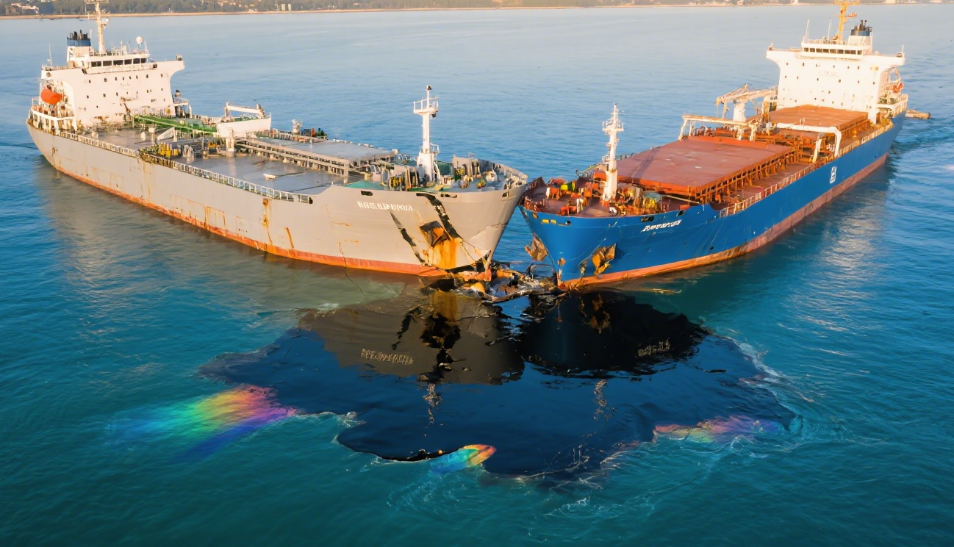
Collision Between Singapore-Registered Tanker and Bulk Carrier Causes Fuel Leak
On the morning of September 1 local time, the Singapore-registered fuel tanker Marine Dynamo collided with the very large bulk carrier Flag Gangos approximately 8 kilometers south of Tanah Merah, resulting in a leak of marine gas oil (MGO). The Maritime and Port Authority has initiated an emergency response, dispatching patrol vessels and drones to…
-
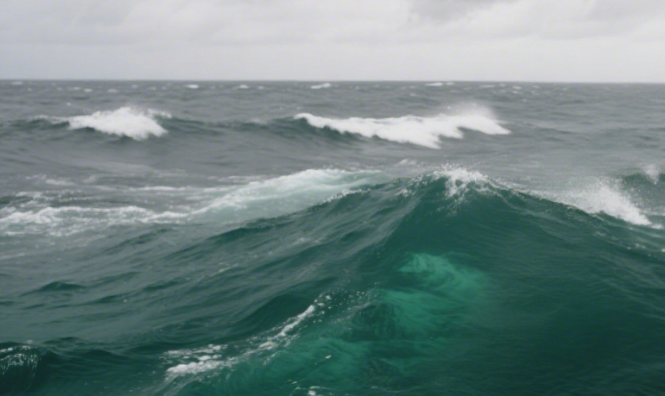
Arctic mercury pollution threatens the food chain
Methylmercury concentrations in Arctic cod from Greenland waters reached 0.8 μg/g, causing a 40% decline in the immune system function of beluga whales that feed on them, and a 12% increase in the rate of neurological developmental abnormalities in calves. Isotope analysis indicates that the primary source of contamination stems from historical industrial emissions transported…
-
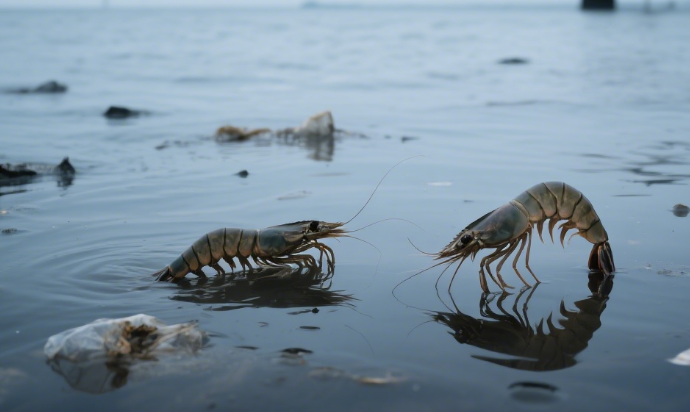
U.S. Walmart Removes Radioactive Shrimp from Shelves
On August 23, the U.S. Food and Drug Administration (FDA) reported that breaded shrimp produced by Indonesian company BMS Food were found to contain cesium-137 levels of 68 becquerels per kilogram, though this did not exceed the intervention standard of 1,200 becquerels per kilogram. As a result, the products were urgently removed from shelves in…
-
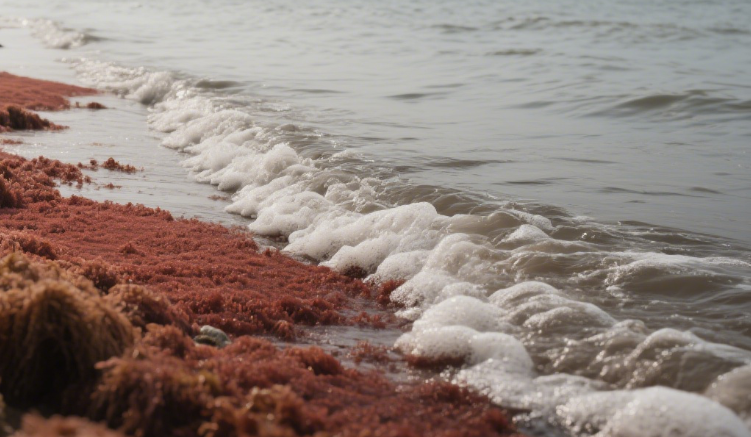
South Australia Algal Bloom Ecological Disaster
A severe algal bloom has erupted in coastal waters off South Australia, turning the waters of St. Vincent Bay reddish-brown and causing mass deaths of fish and shellfish, which have been washed ashore. The government has issued an ecological alert, advising the public to avoid contact with discolored seawater, and fishermen have suspended operations. This…
-
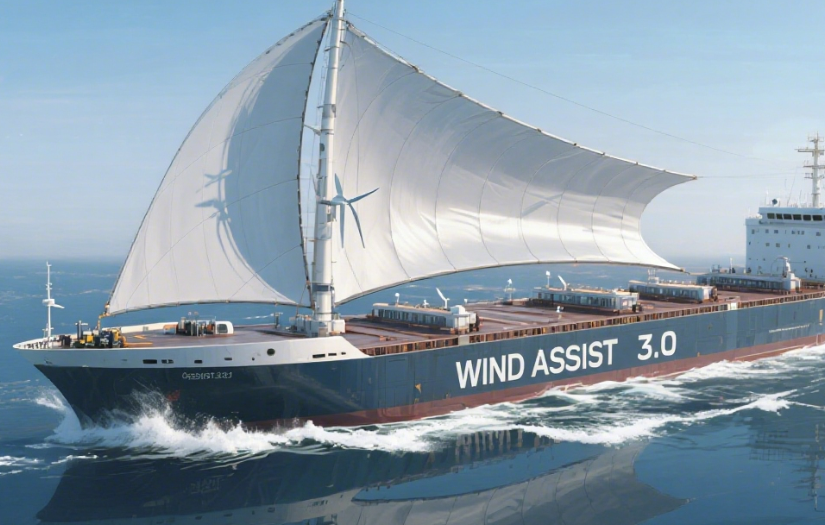
U.S. Threatens Sanctions Against Countries Supporting Shipping Emissions Reductions
The Trump administration rejected the International Maritime Organization’s “net-zero emissions framework” proposal on August 13 and threatened retaliatory measures, including tariffs, against countries that support it. The United States believes the proposal would increase shipping costs and harm the energy and transportation industries.
-
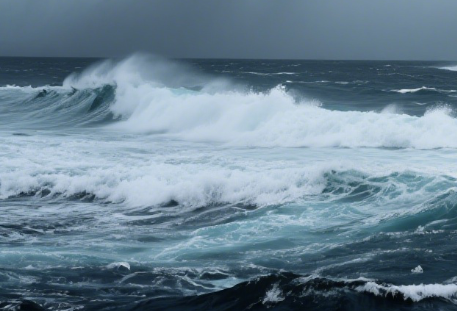
Fukushima nuclear contaminated water discharge one year anniversary of the escalating controversy
On August 11, Japan’s Fukushima nuclear contaminated water discharge operation turned one year old, with a cumulative discharge of more than 50,000 tons of treated water, and a planned discharge of 54,600 tons in seven separate discharges in fiscal year 2025, according to independent monitoring by the Pacific Islands Forum (PIF). According to independent monitoring…
-
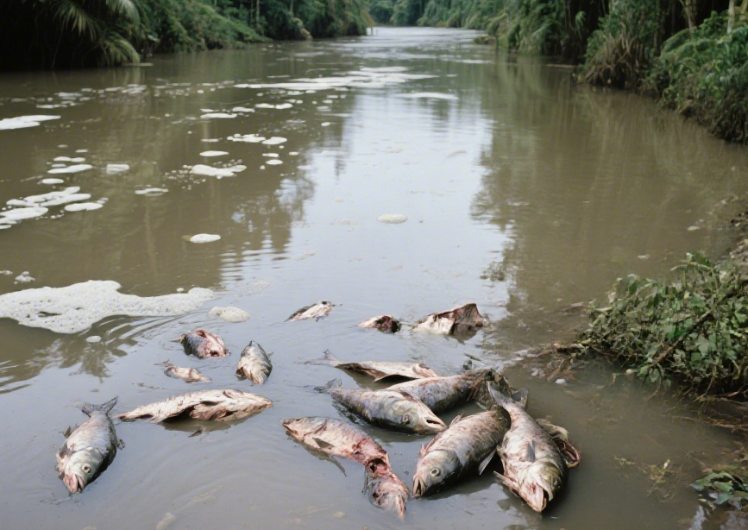
Illegal fishing and chemical pollution
Fishing in the Ecuadorian Amazon with agrochemicals (such as rotenone) and dynamite has led to water pollution and biodiversity destruction.2025 An August 6, 2025 report noted that fish in the Ecuadorian Amazon are experiencing sex-ratio imbalances and genetic mutations as a result of long-term exposure to pesticides and heavy metals.2026 The Ecuadorian Amazon is also…
-
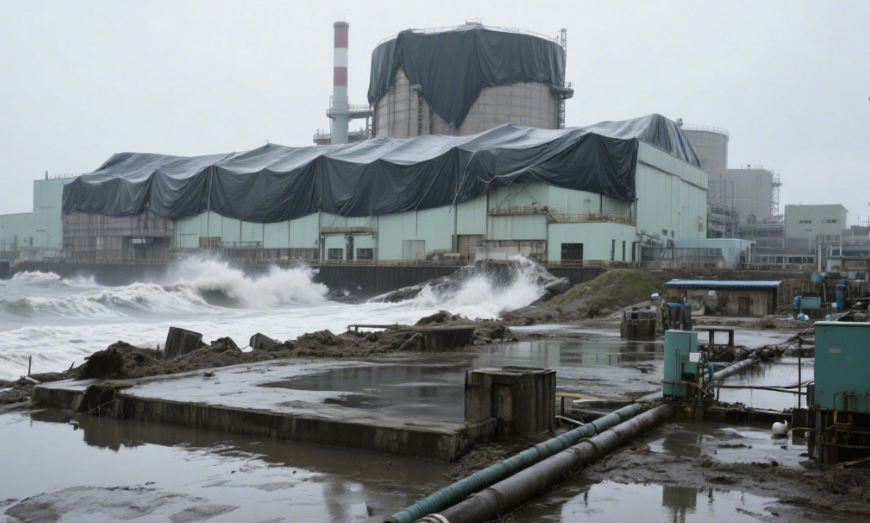
Risk of Nuclear Wastewater Backup Escalates in Fukushima, Japan
A tsunami triggered by a powerful 8.8 magnitude earthquake off Russia’s Kamchatka Peninsula struck the coast of Fukushima, Japan, causing seawater to back up near the nuclear power plant. Although the Tokyo Electric Power Company (TEPCO) suspended the discharge of nuclear contaminated water as a matter of urgency, environmental organizations warned that the influx of…
-
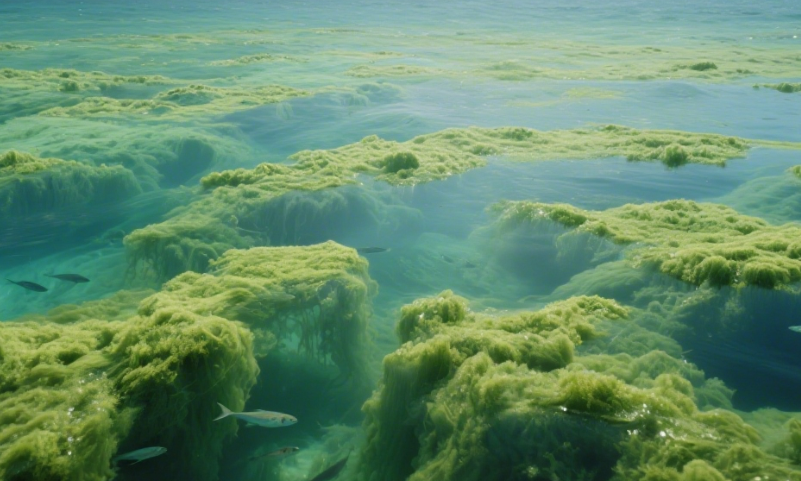
Climate change exacerbates the risk of algal blooms
Research published in Nature Climate Change suggests that ocean heatwaves increase the growth rate of Karenia mellifera by 30% and its toxin production by 50%. Models predict that if the world warms by 1.5°C, the frequency of algal blooms in South Australian waters will increase from one to three per year, and species such as…
-
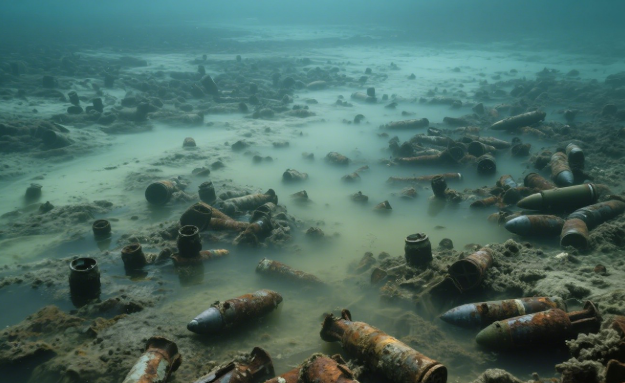
German WWII Bomb Remnants Continue to Pollute Oceans
The 1.6 million tons of World War II munitions deposited on the seabed of Germany’s North and Baltic Seas are continuing to release toxic substances. According to the GEOMAR Marine Research Center, storms and global warming accelerate the decomposition of munitions, and contaminants ingested by fish and shellfish enter the human food chain.