-
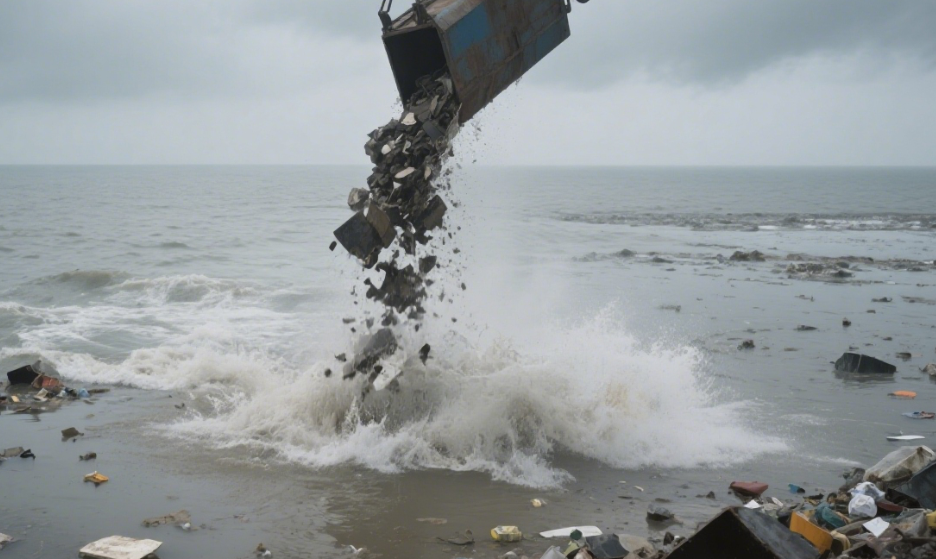
China Leads Transnational Law Enforcement Operations
Five departments, including the Chinese Maritime Police, launched the “Blue Sea Blue Shield 2025” special operation, focusing on combating waste dumping at sea and sabotage of submarine cables, and for the first time, combining satellite remote sensing monitoring and drone cruises to shorten the response time to pollution incidents to 72 hours. This action echoes…
-
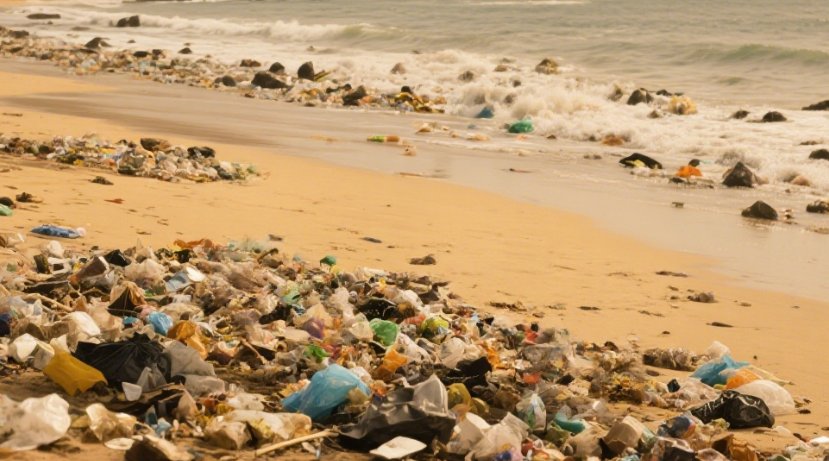
Easter Island’s ecological crisis grows
A study released on July 21 by Chile’s “Garbage Scientists” project shows that the amount of garbage on Easter Island’s beaches has doubled since 2021, making it the fastest-growing area in Latin America in terms of garbage per square meter of beach. Litter pressure from a resurgent tourism industry and the accumulation of marine debris…
-
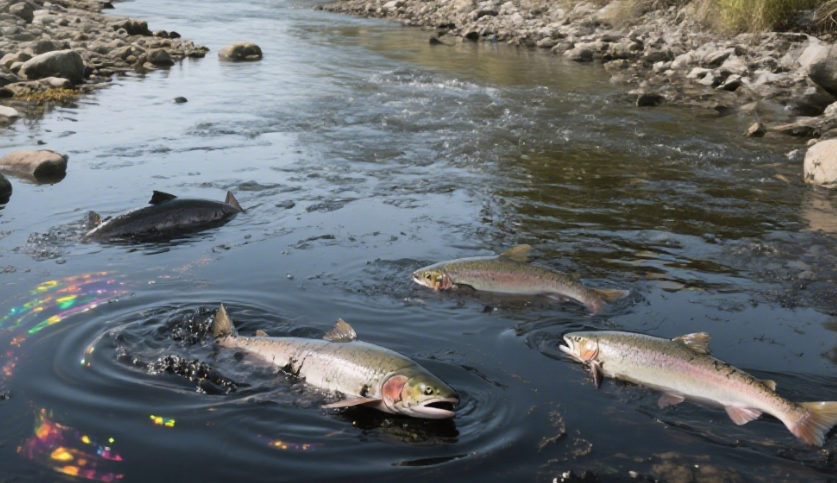
Fuel Spill Threatens Salmon Habitat in Washington State, U.S.
On July 18, a tanker truck overturned on the Olympic Peninsula in Washington State, spilling about 11,000 liters of fuel oil into a nearby river, potentially causing long-term damage to the spawning grounds of endangered salmon. The accident resulted in highway closures, environmental authorities have initiated an ecological assessment, and health authorities have warned residents…
-
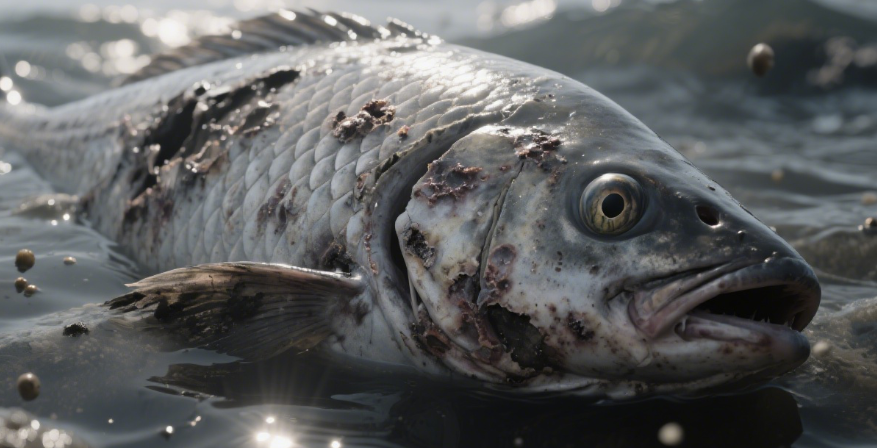
Japan’s Fukushima Nuclear Effluent Spreads to West Coast of North America
As of July 2025, Japan has discharged a cumulative total of 47,200 tons of nuclear effluent, and radioactivity has spread to the west coast of North America, with cesium-137 levels exceeding the limit by a factor of two in salmon caught by fishermen in the U.S. state of Oregon.
-
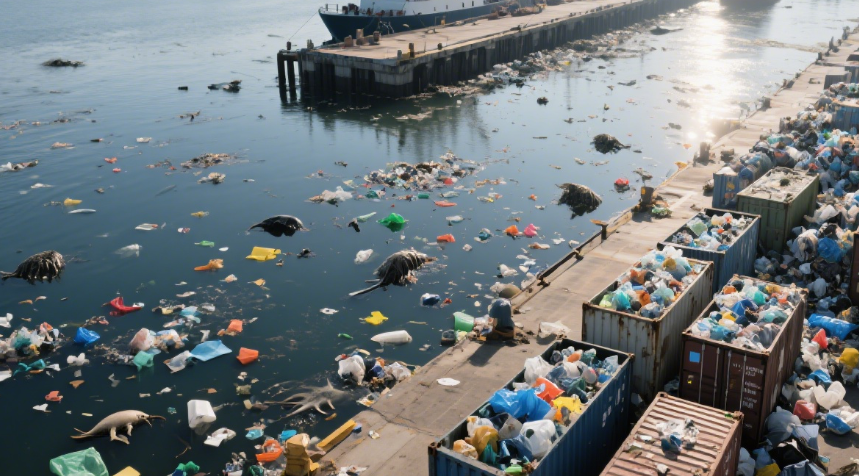
U.S. Plastic Waste Disposal Crisis Escalates
The U.S. Environmental Protection Agency withdrew its proposed Significant New Use Rule on July 9, abandoning its regulation of plastic waste-to-chemicals conversion. The move was criticized by environmental groups as a “surrender to the plastic giants,” and is expected to lead to more mixed plastics disguised as “raw materials” exported to Southeast Asia, exacerbating the…
-
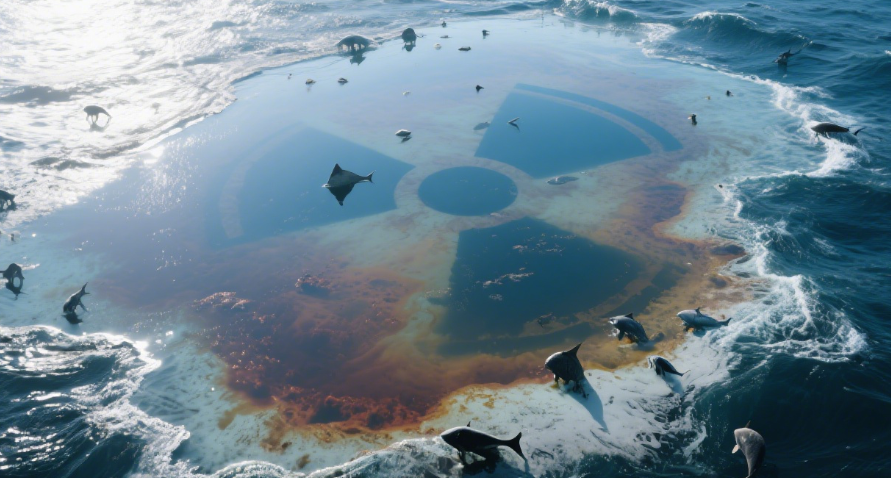
Controversy over Japan’s nuclear wastewater discharge continues to fester
As of July 2025, Japan has discharged a cumulative total of 47,200 tons of nuclear wastewater, which is expected to exceed 100,000 tons by the end of the year. Simulations by the Kiel Institute for Oceanography in Germany show that carbon-14, strontium-90 and other isotopes in nuclear wastewater may be enriched in marine organisms up…
-
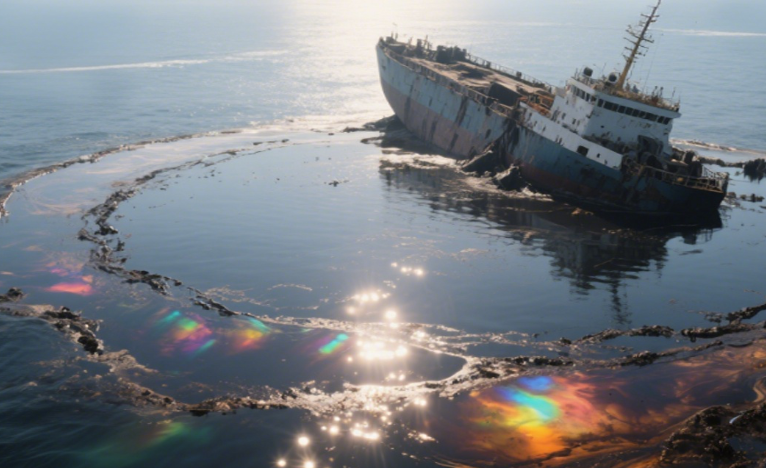
Drillship Capsizes in Egypt’s Gulf of Suez
On July 1, 2025, the Adam Ocean 12, a barge belonging to Egypt’s state-owned oil company OSOCO, capsized while under tow, killing four people and leaving six missing. The vessel was transporting drilling equipment to a Saudi oil and gas block and was carrying 200 tons of diesel fuel and 30 tons of drilling fluid.…
-
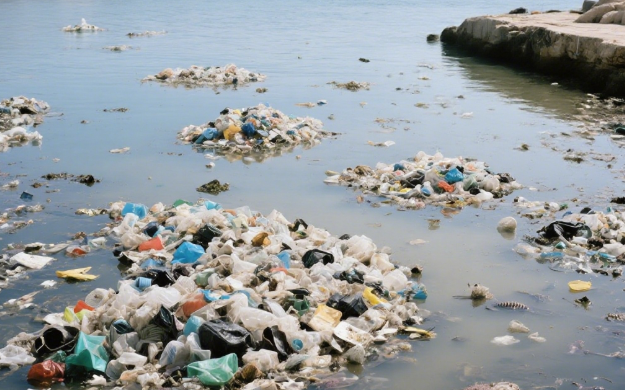
Plastic pollution in Mediterranean tops global list
According to a new WWF report, 80% of marine litter in the Mediterranean Sea consists of plastics, and microplastic concentrations are three times higher than the global average. According to the Italian Institute for Environmental Protection (IEP), 86% of the waste on the seabed is related to fishing activities, and microplastics generated by the degradation…
-
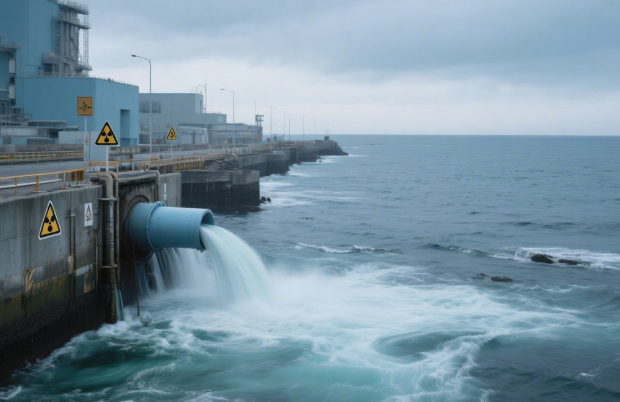
Japan’s Seventh Round of Nuclear Effluent Discharge Causes Global Controversy
On June 29, Japan launched the seventh round of Fukushima nuclear sewage discharge, discharging about 7,800 tons and accumulating more than 46,800 tons. The discharge contains more than 60 types of radioactive substances such as tritium and carbon-14, and modeling shows that it will affect the East China Sea within 240 days, posing a long-term…
-
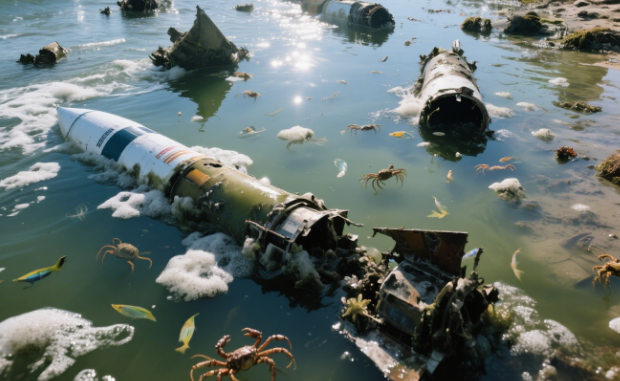
Mexico Files Lawsuit Over SpaceX Rocket Debris Pollution
Mexican President Claudia Zinbaum announced on June 25 that she would investigate and consider filing a lawsuit under international law over the debris from the U.S.-based SpaceX Starship rocket that landed off the coast of the northeastern state of Tamaulipas, which was approved by the U.S. Federal Aviation Administration in May to increase the number…