-
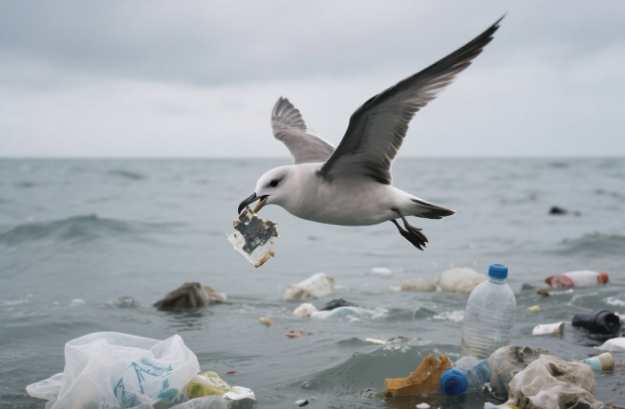
Remote island in ecological emergency as plastic pollution continues to spread
A record amount of plastic waste was recently found in the body of a pallid shearwater, a seabird, on Australia’s Lord Howe Island. Scientists detected 778 pieces of plastic in the stomach of a chick, including bottle caps and pieces of cutlery, and the sound of plastic being rubbed together was clearly audible. The phenomenon…
-
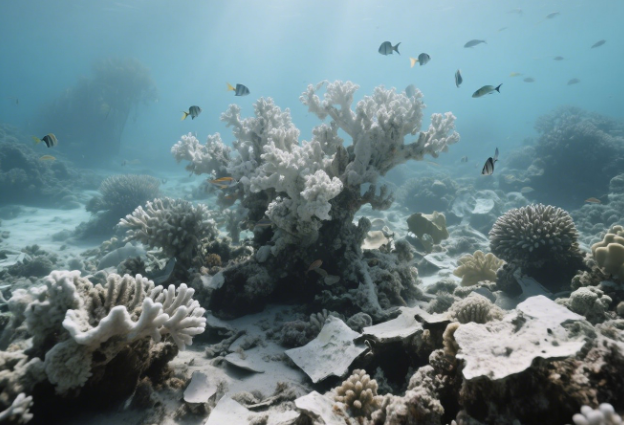
Deep-sea ecosystems on brink of collapse as ocean acidification breaches safety thresholds
Recent studies show that global ocean acidification has exceeded the “planetary boundary” – surface seawater aragonite saturation has dropped by 20% compared to pre-industrial times, and 60% of deeper seawater (below 200 meters) has exceeded the acidification level. Deep-sea coral reefs, shellfish and other calcifying organisms face an existential crisis, for example, oyster shells are…
-
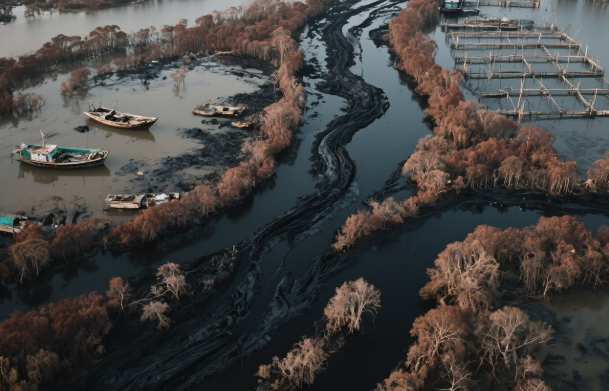
Niger Delta crude oil spill continues to worsen
The environmental catastrophe caused by oil extraction in Nigeria’s Niger Delta region continues, with cumulative spills of 13 million barrels of crude oil largely paralyzing mangrove forests and fishing grounds. Despite the government’s commitment to ecological restoration, Shell is delaying cleanup on the grounds of “safety risks,” oil theft is rampant, and young people are…
-
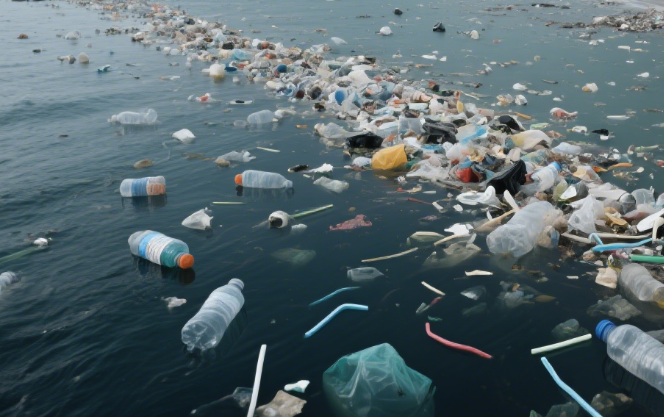
Plastic Pollution Crisis Escalates in the Mediterranean
According to a report released by the World Wide Fund for Nature (WWF), 80% of marine litter in the Mediterranean Sea consists of plastic debris, more than half of which consists of single-use plastic products. The Mediterranean Sea has become one of the most seriously polluted areas in the world by microplastics, which are enriched…
-
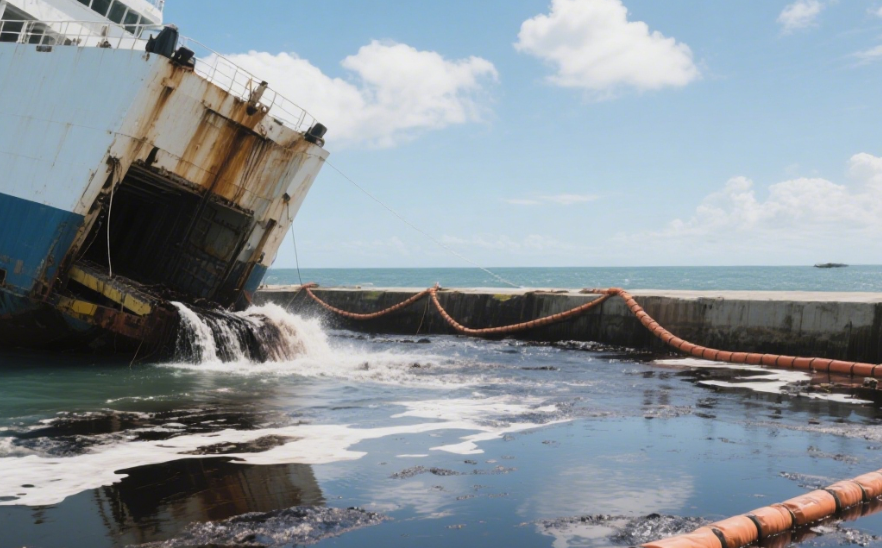
South Pacific: Fiji ro-ro ship sinking causes diesel spill
A ro-ro vessel in the port of Suva, Fiji, suddenly capsized and partially sank during towing, resulting in a diesel fuel spill. Although the authorities quickly set up oil booms, the diesel oil still formed a sheen and spread to the surrounding waters. The vessel, which had been moored at the wharf for an extended…
-
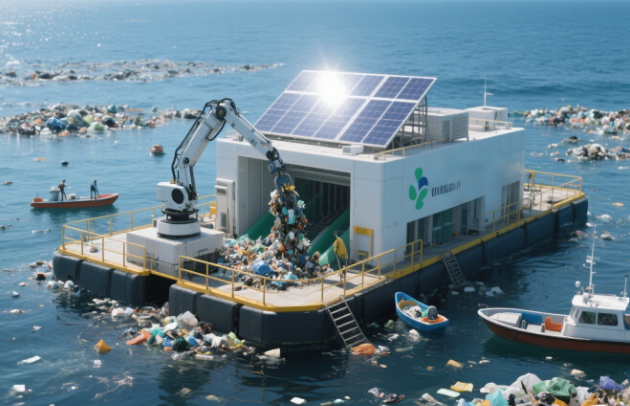
Technological breakthroughs in the treatment of marine plastics
The world’s first floating island-type marine garbage disposal station “Clean Sea One” was designed by the international environmental organization “Blue Future” in cooperation with research teams from China, the United States, the Philippines and Indonesia, with China providing the core technology, the Philippines and Indonesia responsible for the construction of the garbage collection network, and…
-
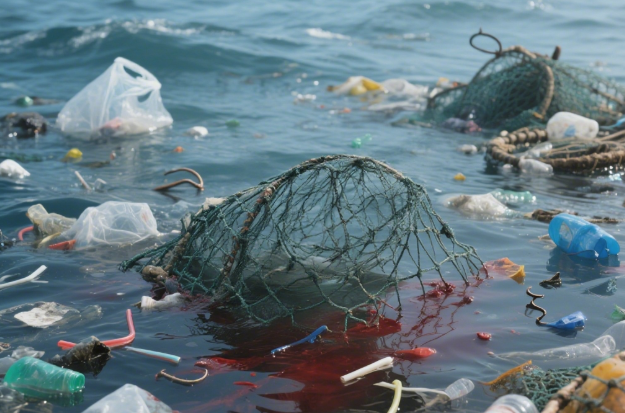
Brazilian Fishing Gear Pollution Reaches 580 Kilograms Per Day
According to a new report by the World Society for the Protection of Animals (WSPA), 580 kilograms of derelict fishing gear are generated in Brazilian waters every day, accounting for 10 percent of all marine plastic pollution. Trawls, hooks and other debris cause fish to be injured or suffocate, and threaten endangered species. According to…
-
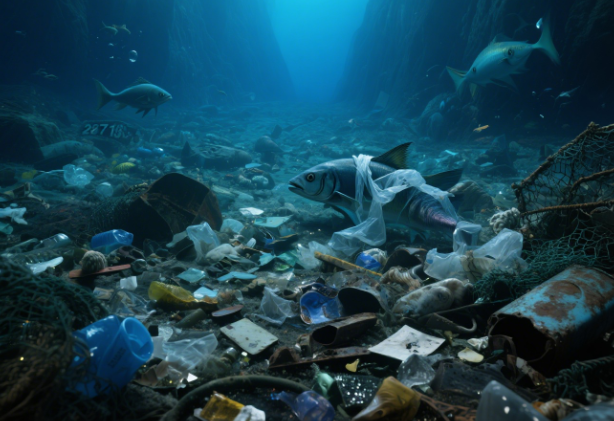
Extremely High Concentrations of Plastic Debris Found in the Deep Mediterranean Sea
According to a study published by the European Union Joint Research Center, 26,715 pieces of garbage per square kilometer were found in the deepest part of the Mediterranean Sea, the deepest part of the Calypso Trench (depths of more than 5 kilometers), where the concentration of plastic debris is one of the highest in the…
-
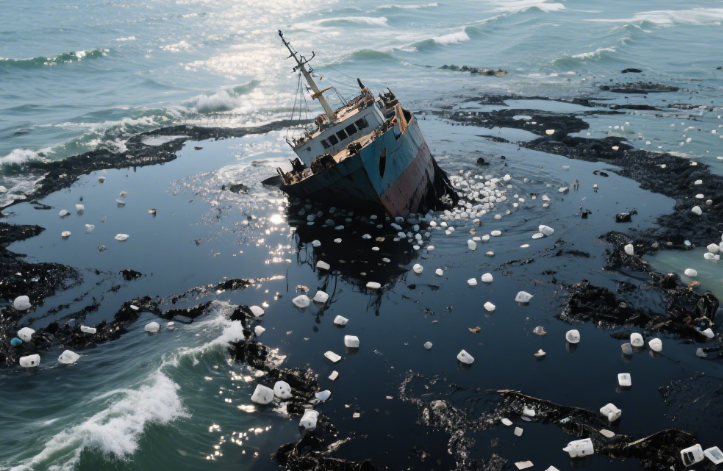
Tanker capsize in India’s Kerala state triggers multiple pollution crises
The Liberian container ship MSC ELSA 3 sank due to a mechanical failure about 38 nautical miles southwest of Kerala, India, with 640 containers on board, including 13 containers of hazardous materials (containing chemicals such as calcium carbide) and large quantities of plastic pellets (nurdles). The incident resulted in the leakage of oil and the…
-

Early Warning of Atlantic Ocean Circulation Collapse and the Crisis of Ocean Carbon Sinks
New international research warns that if greenhouse gas emissions continue, the Atlantic Meridional Overturning Circulation (AMOC), a key current system that regulates the global distribution of heat and whose weakening has already led to anomalous sea surface temperatures in the North Atlantic and accelerated melting of Arctic sea ice, could collapse at any time after…