-
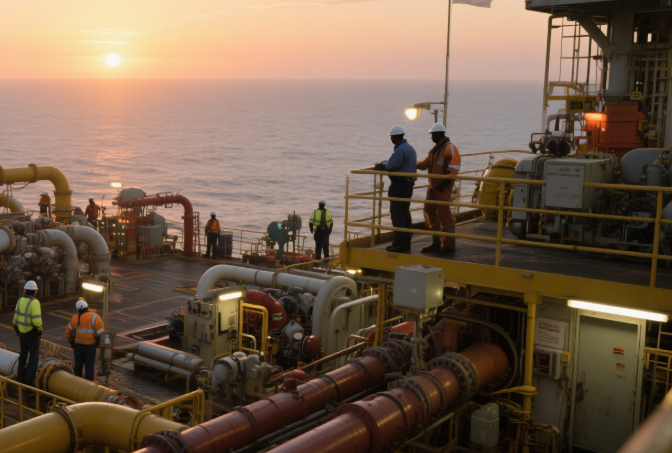
South African Fishermen Sue Oil Exploration Project
On 21 May, South African fishermen from Portnolloth, in conjunction with environmental organizations, launched a lawsuit to halt oil and gas exploration activities by the British company TGS and the French company Total on the west coast. The plaintiffs point out that the Environmental Impact Assessment report underestimates the harm to marine life from noise…
-
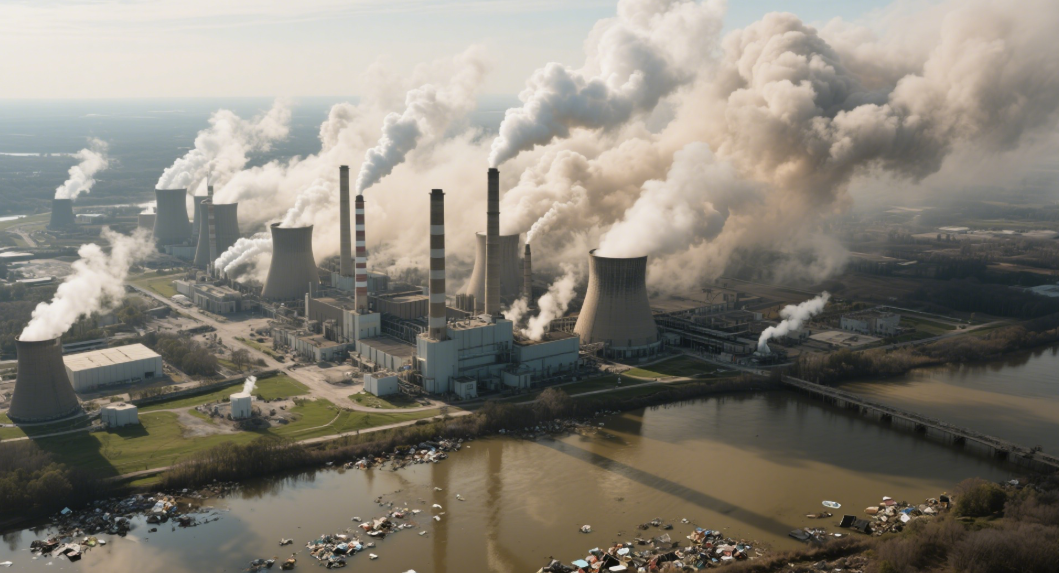
U.S. EPA to Eliminate Limits on Greenhouse Gas Emissions from Power Plants
The U.S. Environmental Protection Agency (EPA) confirmed on May 24 local time that it is drafting a plan to eliminate all limits on greenhouse gas emissions from U.S. coal- and gas-fired power plants. The plan will be released after an interdepartmental review. The EPA argues in the proposed regulations that carbon dioxide and other greenhouse…
-
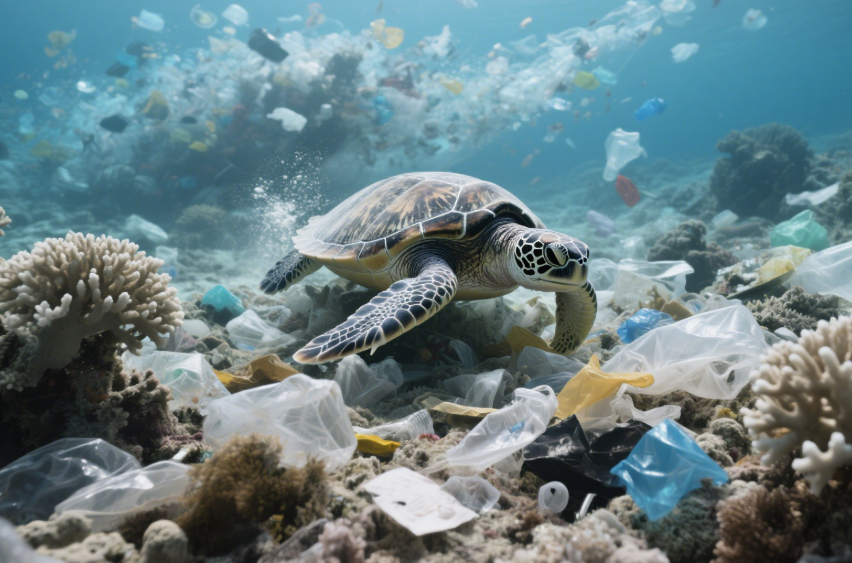
A long way to go in combating plastic pollution
Globally, 8 million tons of plastic still enter the sea each year, 70% of which sinks to the bottom. Despite plastic bans in Iceland and the European Union, pollution is increasing in developing countries due to inadequate recycling facilities. 2025 will see the World Conservation Congress discussing a proposal to “Reduce Open Propeller Injury”, which…
-
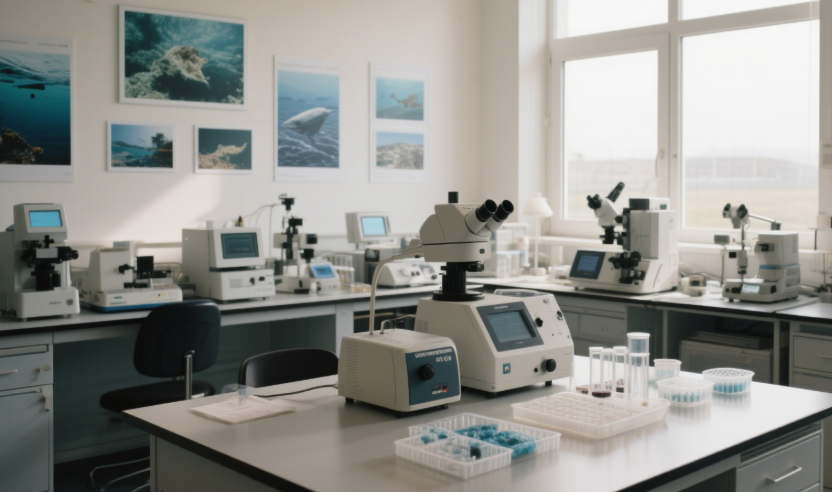
Galapagos Islands Microplastics Monitoring Upgraded
The International Atomic Energy Agency (IAEA) has partnered with Ecuador to establish a microplastics monitoring center in the Galapagos Islands to analyze seawater and sand samples through nuclear derivatization techniques. About six tons of overseas plastic waste wash ashore in the archipelago each year, threatening unique biodiversity. While traditional monitoring methods have struggled to collect…
-
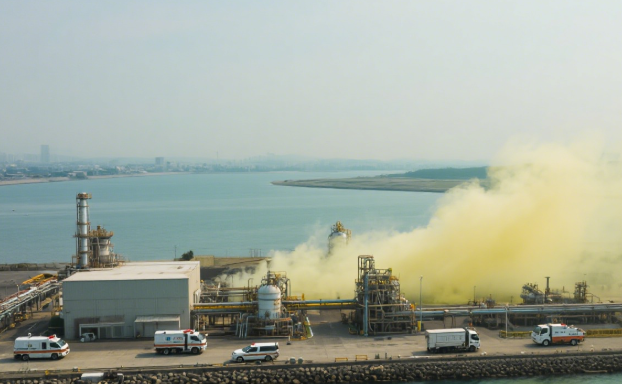
Hydrogen Sulfide Leak at Japanese Refinery Threatens Seto Inland Sea Ecology
On May 17, a hydrogen sulfide leak occurred at the refinery of Japan’s largest oil company, Citation, in Sakai City, Osaka Prefecture, killing one person and seriously injuring two others. Hydrogen sulfide gas entered Osaka Bay through atmospheric deposition, causing the pH value of surface seawater to plummet to 5.2 (normal range: 7.5-8.6) over an…
-
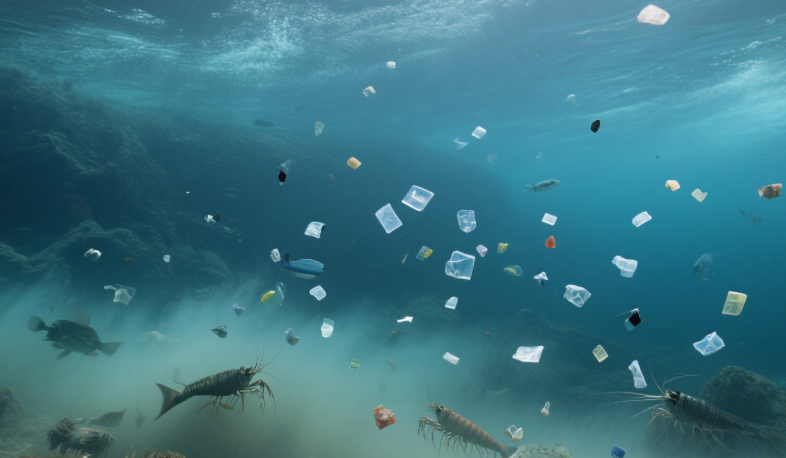
Deep-sea ecology faces multiple threats
Microplastics have posed a hidden threat to ecosystems such as the Mariana Trench by altering deep-sea microbial communities and material cycling, a team from China’s South China Agricultural University warns in a paper published in Science. The study found that deep-sea organisms are more sensitive to the cumulative effects of pollutants due to their slow…
-
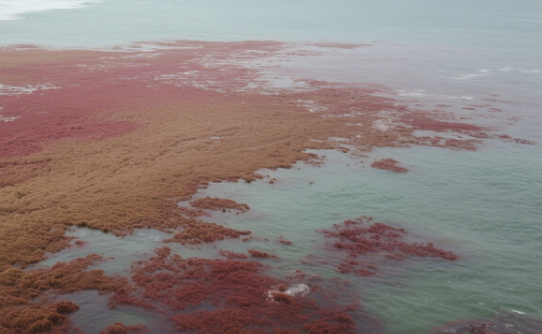
Marine Pollution: Interplastic Microbial Crisis and Escalating Toxic Algae Catastrophe
A team of researchers from The Hong Kong Polytechnic University has found that microbial communities attached to plastic waste (interplastic) may trigger the spread of pathogens across ecosystems. 1 gram of marine plastic waste has a microbial biomass that is 10 times greater than 1,000 liters of seawater, and carries pathogens that can spread globally…
-
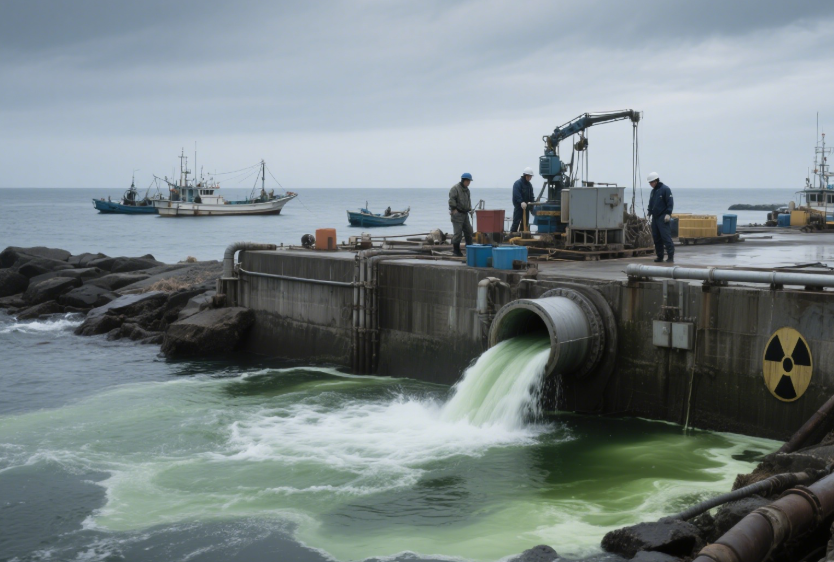
Japan’s Nuclear Sewage Discharge Escalation Sparks New Controversy Over Marine Pollution
On May 7, 2025, Japan launched the fourth round of Fukushima nuclear sewage discharge plan to the sea, and the cumulative discharge has exceeded 50,000 tons. Although TEPCO claims that the treated nuclear wastewater “meets international safety standards,” Chinese customs recently intercepted 24 batches of imported Japanese aquatic products with excessive levels of radioactive substances,…
-
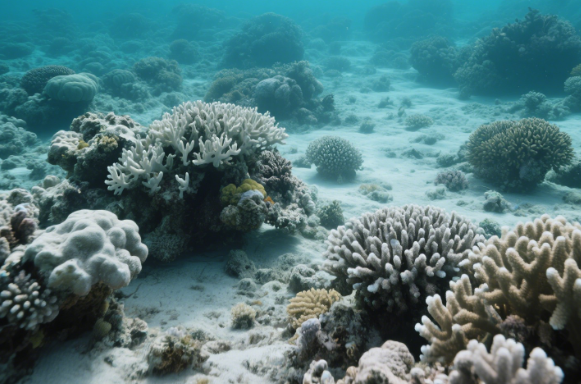
Tipping point for ocean acidification
The United Nations Environment Programme reports that a drop in ocean pH to 7.95 by 2025 would result in a 30% reduction in coral calcification rates. Survival of Antarctic krill larvae has already been reduced by 25% due to acidification, threatening the survival of penguins, cetaceans and other species. If the world warms by 1.5…
-
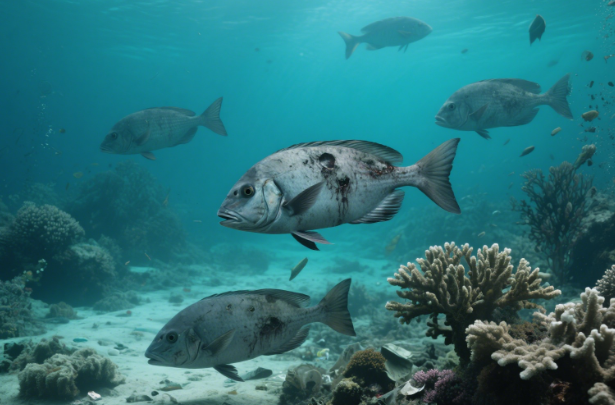
The “Invisible Toxic Reservoir” of Coral Reef Fish Populations
New Caledonia study released in May 2025 showed that 14 metals (e.g., nickel, mercury) and 22 persistent organic pollutants (e.g., pesticide residues) are prevalent in coral reef fish. The larger the fish, the higher the concentration of contaminants, and monthly rainfall and reef area influenced the distribution of organic contaminants and metals, respectively. For example,…