-
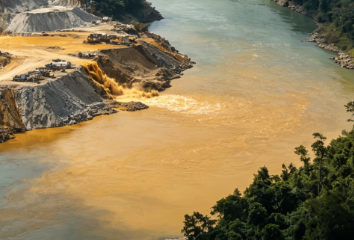
Illegal Rare Earth Wastewater Discharged Along the Myanmar-Laos Border
The Thai Environmental Research Institute has released the latest data on water quality monitoring in the upper Mekong River. Illegal rare earth ore processing workshops located along the Myanmar-Laos border continue to discharge untreated production wastewater, causing pollutants to travel downstream along the river and leading to the continuous accumulation of heavy metals—such as arsenic…
-
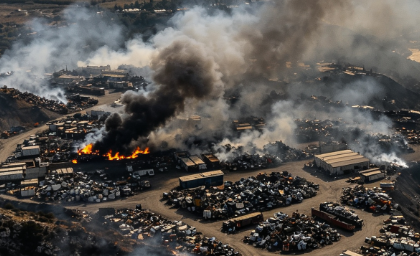
Wildfire in Athens Ignites Scrap Metal Recycling Yard
A wildfire has struck the western suburbs of Athens, Greece, and spread to a scrap metal recycling yard. The facility contained large quantities of plastic cables and discarded batteries, which continued to burn upon contact with the flames, releasing heavy metal particles such as lead and cadmium, as well as highly toxic dioxins, into the…
-
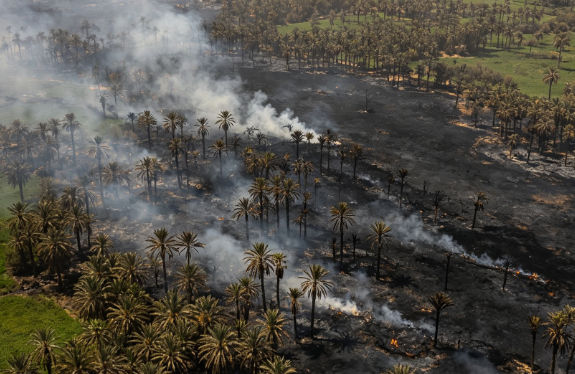
Oasis Fire in Morocco Threatens the Ecosystem
The El Rachidia Oasis in southeastern Morocco has been hit by a massive fire triggered by extreme heat. Persistent drought and unusually high temperatures have made the oasis’s vegetation highly flammable, causing the fire to spread rapidly through vast palm groves and destroying key agricultural and ecological vegetation. Thick smoke from the blaze has gathered…
-
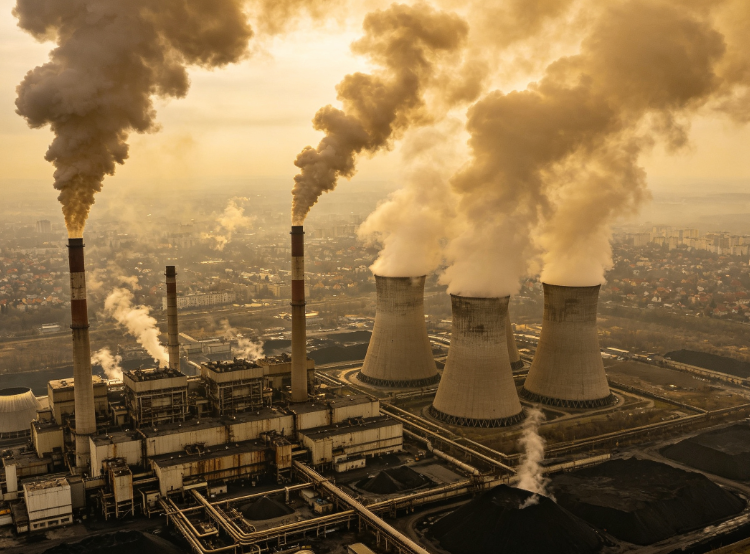
Overloaded Coal-Fired Power Plants in Eastern Europe Exacerbate Cross-Border Air Pollution
Persistent extreme heat across Europe has driven a surge in residential air conditioning demand, causing a sharp rise in electricity consumption for cooling. This, in turn, has led to a rebound in carbon emissions as coal-fired power generation has increased. With hydropower and nuclear power output constrained, a large number of aging coal-fired power plants…
-
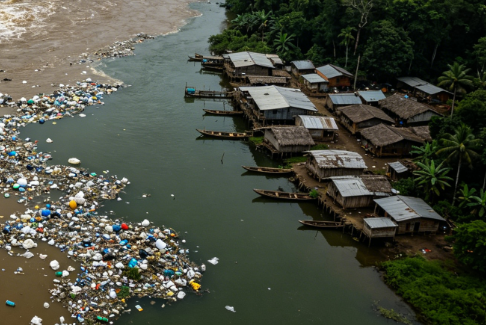
Worsening Municipal Sewage Pollution in the Wapés River, Colombian Amazon
Sewage treatment facilities in upstream towns have frequently collapsed due to their low-lying locations, resulting in massive amounts of untreated domestic sewage and municipal waste being discharged directly into the main Wapés River, where levels of E. coli and organic pollutants have exceeded all standards. Downstream, the Makakiniño Indigenous people rely on the river for…
-
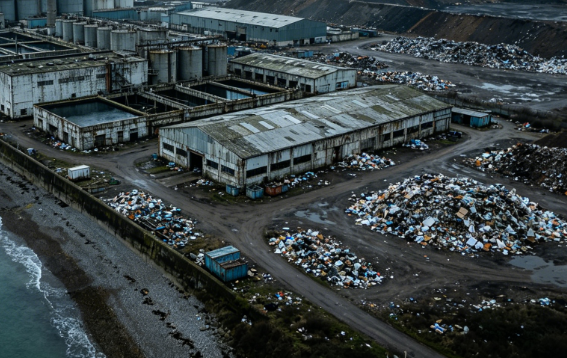
Highly Toxic Persistent Pollutants (PFAS) Detected in the Solent Strait, UK
According to the latest water sample monitoring results in the UK, PFAS concentrations in the strait’s waters have exceeded safety standards by up to 13 times. Traceability investigations revealed that the pollution primarily stems from effluent discharged from Portsmouth’s aging sewage network, compounded by leachate from coastal landfills continuously flowing into the sea, resulting in…
-
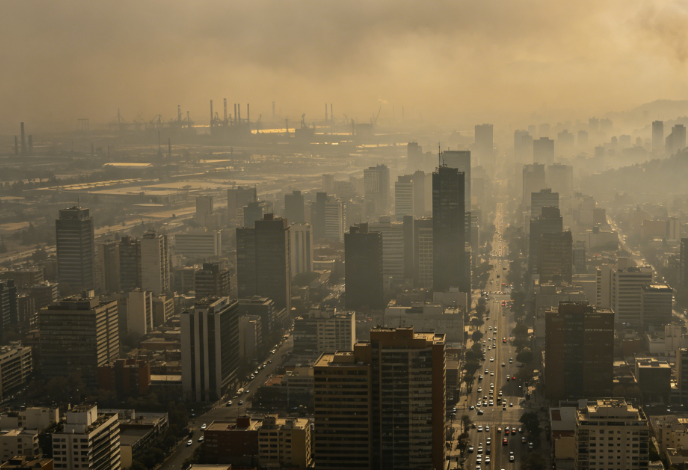
Air Pollution Levels Off the Charts in Santiago, Chile
Santiago, the capital of Chile, has declared its first citywide environmental emergency of the highest level in 16 years, as local PM2.5 levels peaked at over 500, reaching the “off-the-charts” level of severe pollution. This smog was caused by a combination of factors, including stable weather conditions in the fall and winter that hindered air…
-
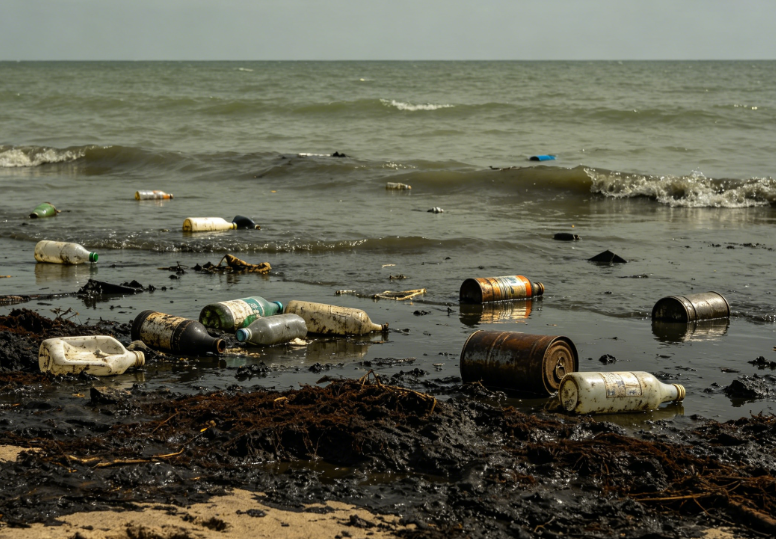
Heavy Metal Pollution in Salvador, Brazil
A heavy metal pollution incident has been reported in Salvador, Bahia, Brazil. Local beaches have tested positive for excessive levels of various heavy metals, including lead, mercury, and cadmium, with the source of the pollution traced to industrial wastewater leaks from local steel mills and shipping companies. The pollution has affected the livelihoods of approximately…
-

Ozone Pollution in California Continues to Worsen Amid Heat Wave
Due to high temperatures and stable atmospheric conditions, ozone concentrations in Los Angeles, Orange County, and other areas of Southern California have exceeded standard levels by two to three times, reaching dangerous levels. The pollutants originate from vehicle exhaust and agricultural emissions; high concentrations of ozone can irritate the respiratory tract and exacerbate cardiovascular and…
-
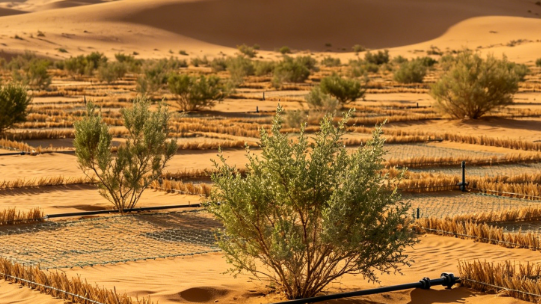
China’s Solutions for Desert and Degraded Land Management
Over the past few decades, approximately one-quarter of the world’s new green areas have been created in China, which has established the world’s largest man-made forest. At the same time, China has exported desertification control technologies to many countries in Africa and Central Asia, assisted Mongolia and nations bordering the Sahara in restoring vegetation in…