-
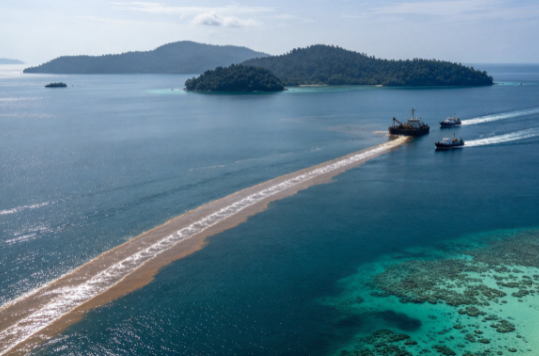
Oil Spills Continue to Invade Marine Protected Areas Around the World
SkyTruth, a U.S. environmental organization, released a satellite monitoring report revealing that oil pollution from ship discharges and offshore oil and gas extraction is drifting in large quantities into marine protected areas designated by various countries. This oil pollution poisons benthic organisms, destroys seagrass beds, and threatens sea turtles, dolphins, and sharks. The report notes…
-
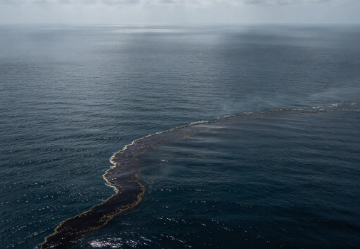
Suspected Illegal Discharge from a Vessel Off the Coast of California Leaves Long Oil Slick on the Water’s Surface
On October 5, a U.S. NOAA satellite detected a long, narrow oil slick in the open ocean west of San Francisco, which is believed to have been caused by illegal discharge of bilge water from a vessel. This area serves as a migration route for whales and seabirds; the oil can contaminate seabirds’ feathers, poison…
-
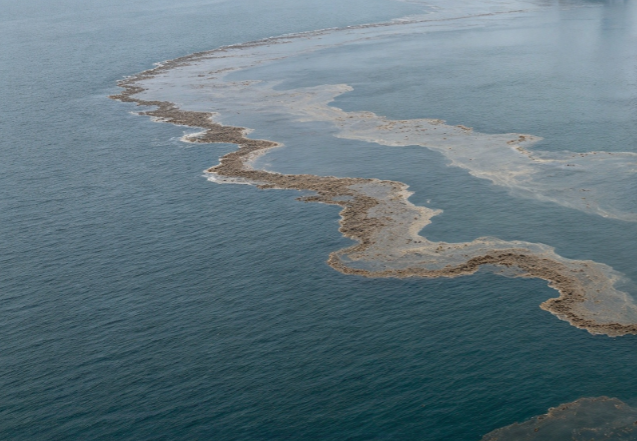
Phenol Container Damaged and Leaked at Busan Port, South Korea
The Busan Maritime and Fisheries Bureau in South Korea reported a hazardous chemical leak at the New Port Terminal. A container carrying imported industrial phenol fell and ruptured during loading operations, resulting in the spill of approximately 1.2 metric tons of high-concentration phenol solution. Part of the spill flowed through drainage channels into the coastal…
-
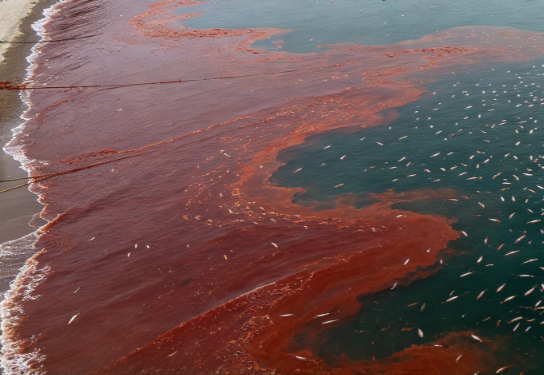
Severe Red Tide Outbreak in Yatsushiro Sea, Kumamoto Prefecture
A harmful algal bloom in the Yatsushiro Sea off the coast of Kumamoto Prefecture, Japan, continues to spread. Caused by high concentrations of the alga Aphanizomenon flos-aquae, algal density in some areas has reached a peak not seen in recent years, and the nearshore waters have taken on a distinct reddish-brown color. Algal toxins can…
-
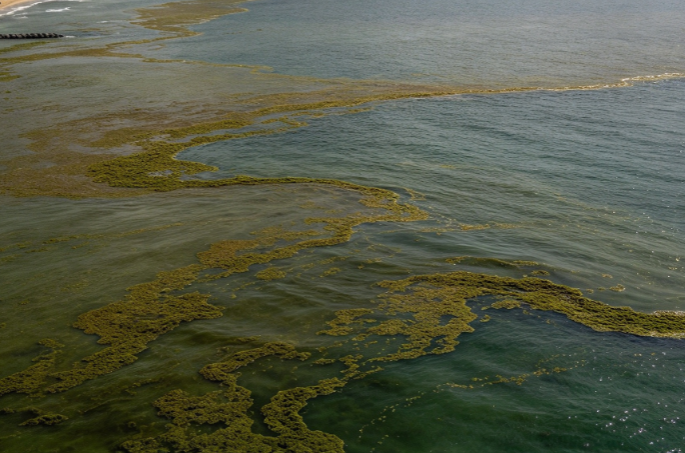
Large-Scale Algal Bloom Erupts Along the Mediterranean Coast
The widespread microalgal bloom that erupted along the Mediterranean coast has yet to subside. In addition to abnormal seawater temperatures this fall, the destruction of wastewater treatment facilities in the Gaza Strip has resulted in large quantities of domestic and industrial wastewater being discharged directly into the Mediterranean Sea without treatment. The nitrogen and phosphorus…
-
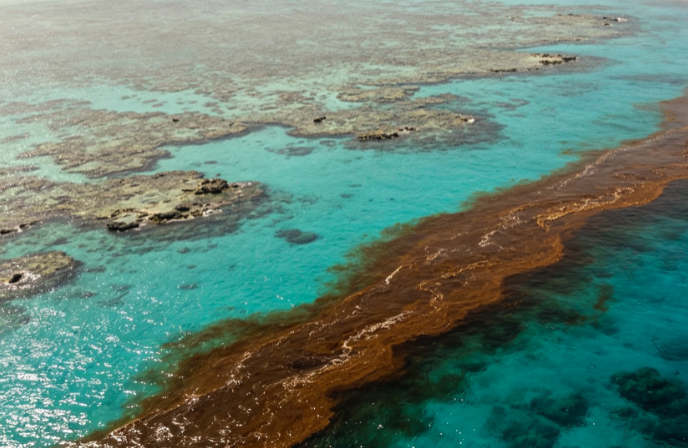
Fuel Leak on a Tourist Cruise Ship in Egypt’s Red Sea
A fuel leak occurred in the fuel tank of a tourist cruise ship in the Gurdaiga resort area of Egypt’s Red Sea due to a valve malfunction. Approximately 3 metric tons of heavy fuel oil spilled into the sea, forming a brown oil slick about 4 kilometers long, which is drifting toward the coral reef…
-
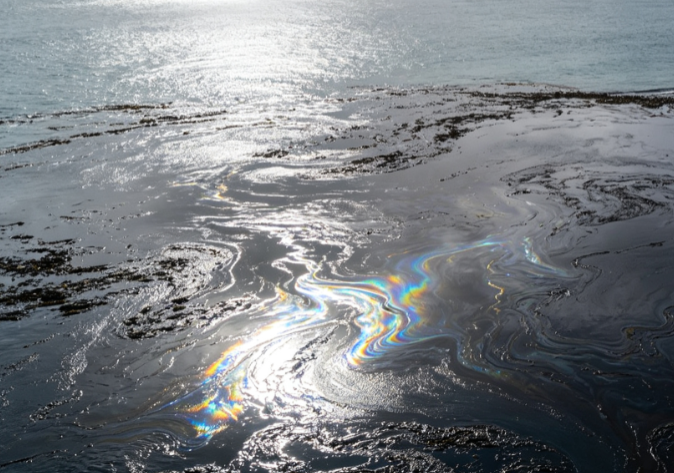
Diesel Spill from Cargo Ship Off the Coast of Auckland, New Zealand
In the waters of Hauraki Gulf off the coast of Auckland, New Zealand, a Liberian-flagged bulk carrier suffered a rupture in its fuel tank while at anchor, causing approximately 6 metric tons of diesel to leak into the sea and forming an oil slick spanning 2 square kilometers. The affected area is part of a…
-
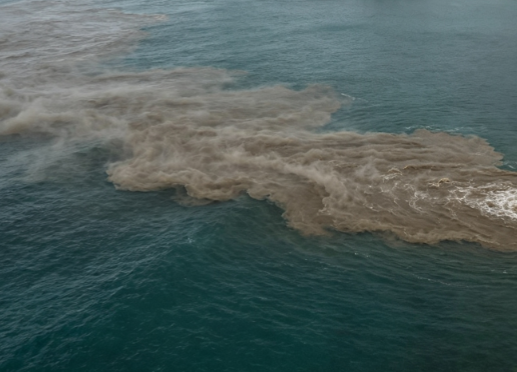
Heavy Rains on Maui, Hawaii, Cause Sewage Plant Overflow
Maui, Hawaii, experienced persistent heavy rainfall brought by a tropical depression. Large volumes of rainwater flowed into the sewer system, causing the inflow at the Kahului Municipal Wastewater Treatment Plant to far exceed its original design capacity. The sudden increase in pressure within the sewer system resulted in an overflow. Approximately 3.2 million gallons of…
-
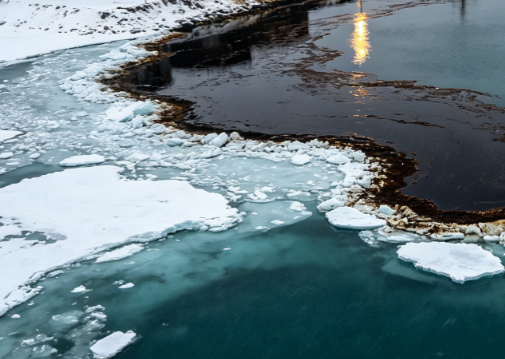
Diesel Spill in Russia’s Arctic Khatanga Bay
The Arctic settlement of Sindasko in Russia’s Taymyr-Dolgansky–Nenets Autonomous Okrug was hit by a severe storm, causing a storage tank supplying fuel to a local diesel power plant to rupture. Approximately 200 metric tons of diesel spilled into Khatanga Bay, located within the Arctic Circle. The Arctic marine ecosystem is fragile, and the natural degradation…
-
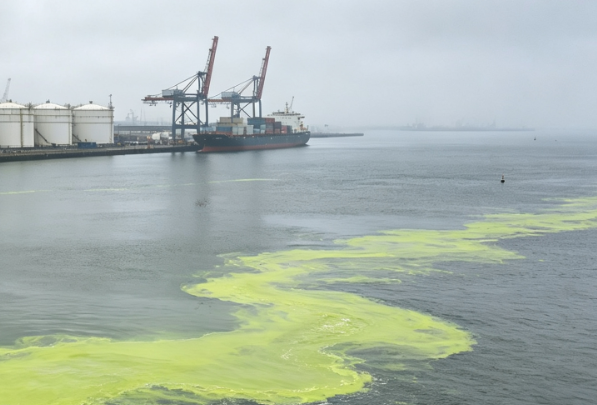
Liquid Chlorine Container Leak at the Port of Rotterdam
A hazardous chemical leak occurred in the Maasvlakte terminal of the Port of Rotterdam, the Netherlands. A container loaded with liquid chlorine suffered a rupture due to a deteriorated valve, causing some of the liquid chlorine to evaporate and seep into the surrounding port waters. The leak led to a brief but significant increase in…