-
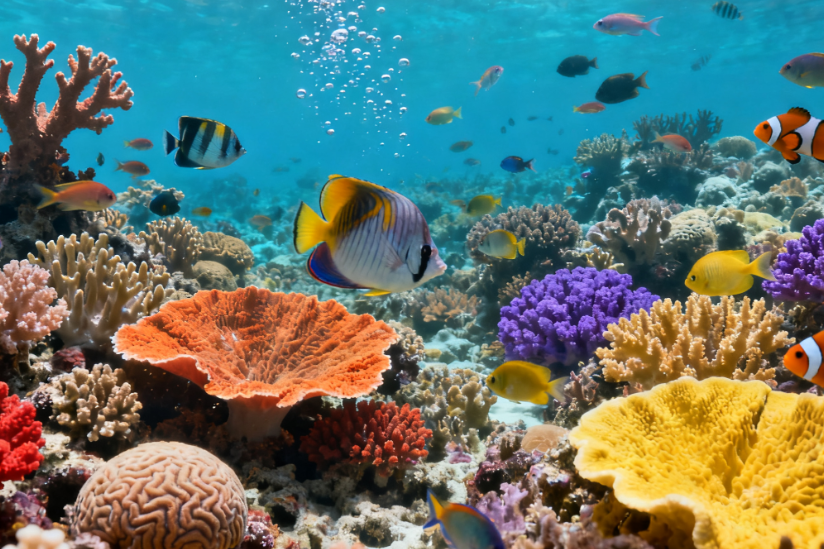
China’s Guangxi Province Wins Six Awards in UN Decade of Ocean Science Competition
Six marine ecological restoration projects from China’s Guangxi Zhuang Autonomous Region have been honored in the inaugural United Nations Decade of Ocean Science for Sustainable Development (2016-2025) Marine Ecological Protection and Restoration Competition. These initiatives span diverse ecosystems including mangroves, coral reefs, and coastal bays. Among them, the “Practical Case of Ecological Conservation and Restoration…
-
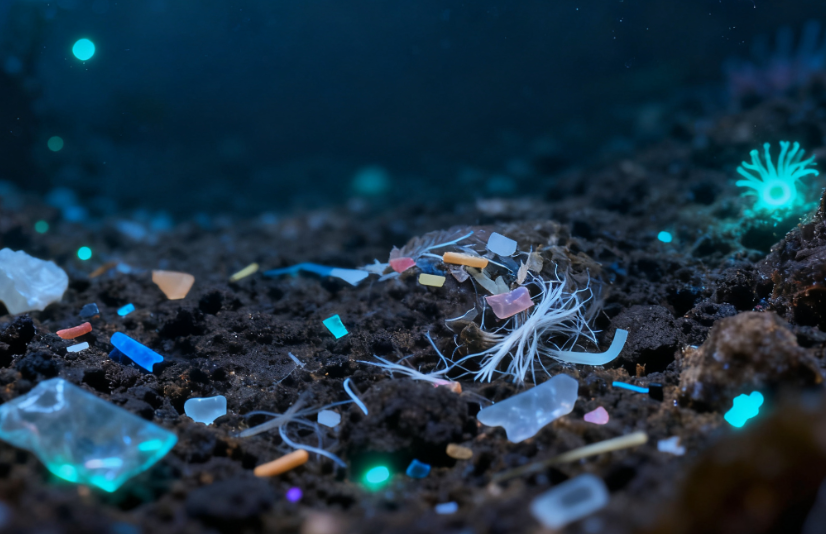
Progress Made in Microplastic Pollution Research
A Chinese research team discovered in deep-sea sediments of the Philippine Sea that small-sized fibers and PP/PE microplastics may pose chronic hazards to benthic organisms due to their strong adsorption properties. Meanwhile, the Yellow Sea Fisheries Research Institute found that after replacing ecological buoys in Sangou Bay, microplastic abundance in surface seawater decreased by 77.57%,…
-
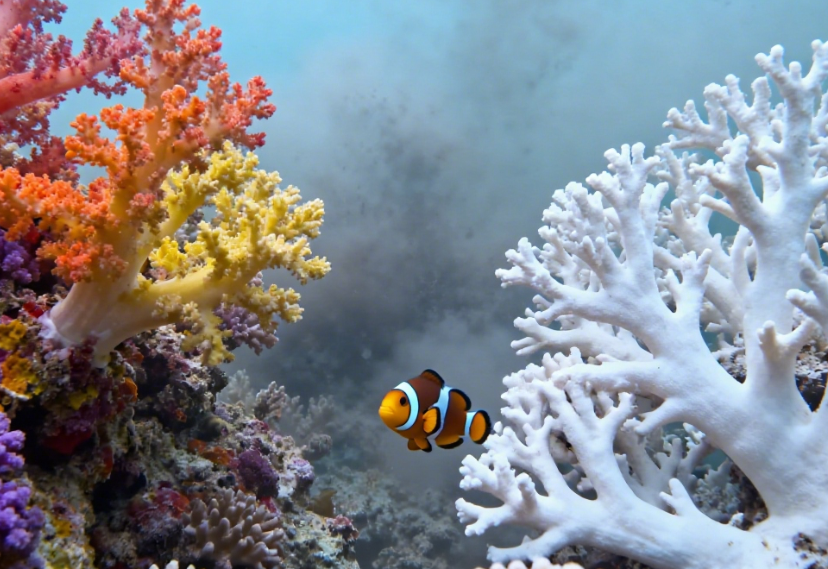
Mass Coral Reef Die-Off Sounds Ecological Alarm
The 2025 Global Tipping Points Report, led by the University of Exeter in the UK, confirms that warm-water coral reefs have become the first Earth system to cross a climate tipping point. Global average temperatures have risen by 1.4°C above pre-industrial levels, exceeding the 1.2°C thermal tolerance threshold for coral reefs. This has triggered the…
-
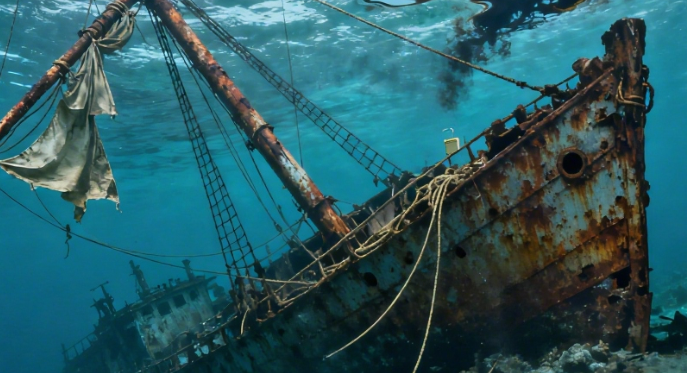
Pacific Islands Forum Urges Japan to Clean Up Shipwrecks
At the 10th Pacific Islands Forum Summit held in October 2025, Pacific island leaders once again urged Japan to assume responsibility for cleaning up World War II shipwrecks, stressing that “historical apologies must translate into concrete actions.” This demand stems from the numerous shipwrecks sunk by Japan in Pacific island waters during World War II.…
-
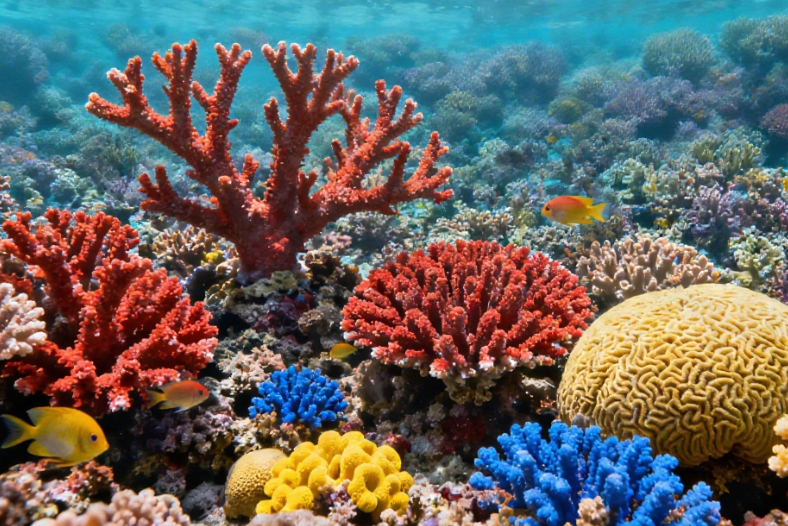
Wuzhou Island Achieves Remarkable Success in Coral Reef Restoration
Through technological innovation and multi-stakeholder collaboration, Wuzhou Island in Beihai City has achieved globally recognized success in coral reef restoration. By 2025, the island has restored 40 hectares of coral reefs through heat-tolerant coral acclimatization techniques (achieving over 85% survival rate for beautiful staghorn coral with annual growth exceeding 15 cm) and a synergistic “research…
-
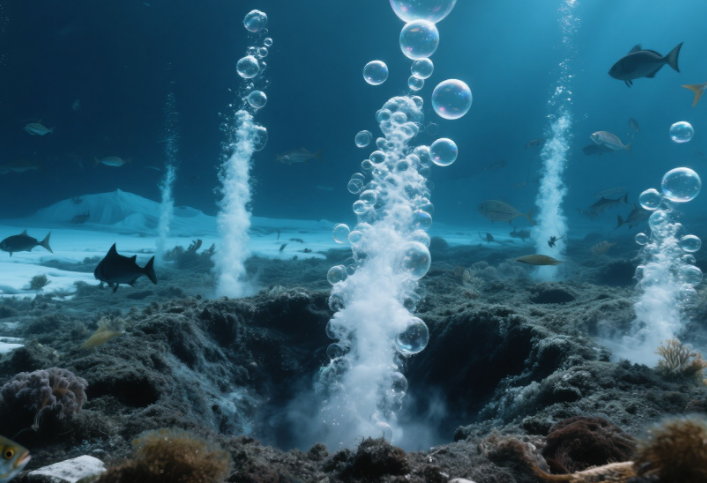
Methane Leaks Accelerate Release from Antarctic Seafloor
An international team of scientists has discovered over 40 new methane seepage sites in Antarctica’s Ross Sea, some located in areas previously considered stable. Through acoustic surveys and submersible sampling, researchers found these leaks are releasing greenhouse gases at an “astonishing rate”—methane has 80 times the warming effect of carbon dioxide in the atmosphere over…
-
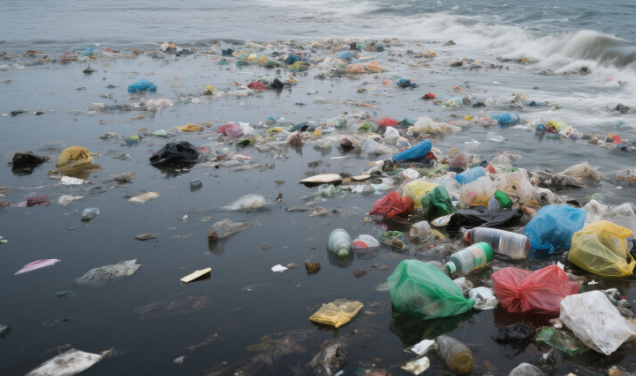
Southeast Asia Achieves Technological Breakthrough in Plastic Pollution Control
A report released by the Organisation for Economic Co-operation and Development (OECD) indicates that East and Southeast Asia discharge 8.4 million tons of plastic into the oceans annually, accounting for one-third of the global total. However, Canadian scientists discovered in September that waxworm larvae can decompose polyethylene plastic bags within 24 hours. The highly efficient…
-
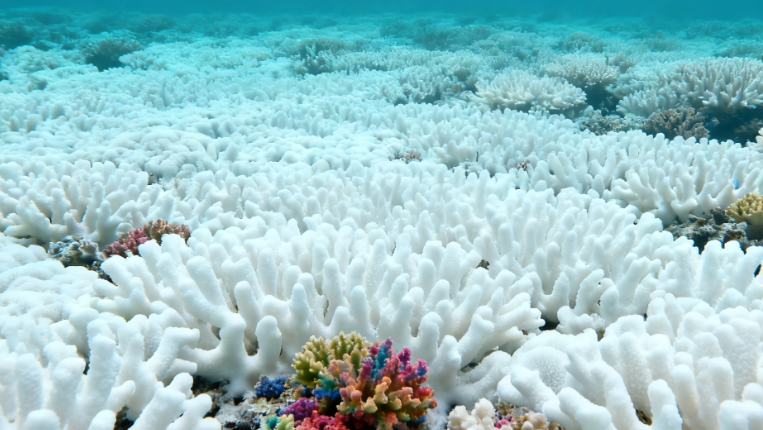
Global Coastal Ecosystems Disappearing at an Accelerated Pace
The State of the World’s Coastal Ecosystems report indicates that over the past 50 years, the annual net loss rate of typical ecosystems such as seagrass beds and coral reefs has exceeded 1%, with tropical regions being particularly hard hit. Coral calcification rates in the Caribbean Sea have declined by 30%, while the Great Barrier…
-
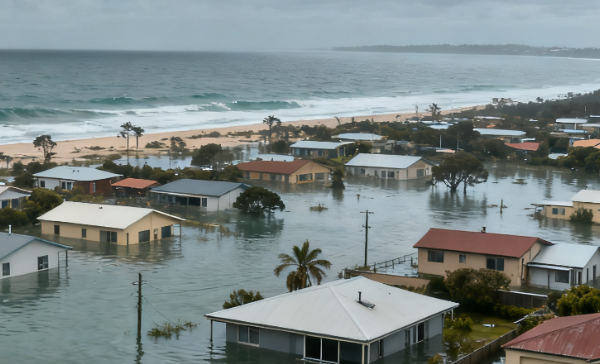
Australia’s Coastal Communities Face Catastrophic Threat
The National Climate Risk Assessment reveals that by 2050, 1.5 million coastal residents in Australia could lose their homes due to rising sea levels. The 2019-2020 bushfires killed nearly one billion animals, while the Great Barrier Reef’s coral cover had dropped to 38% by 2025, with fisheries projected to lose A$1.2 billion. Despite pledging a…
-
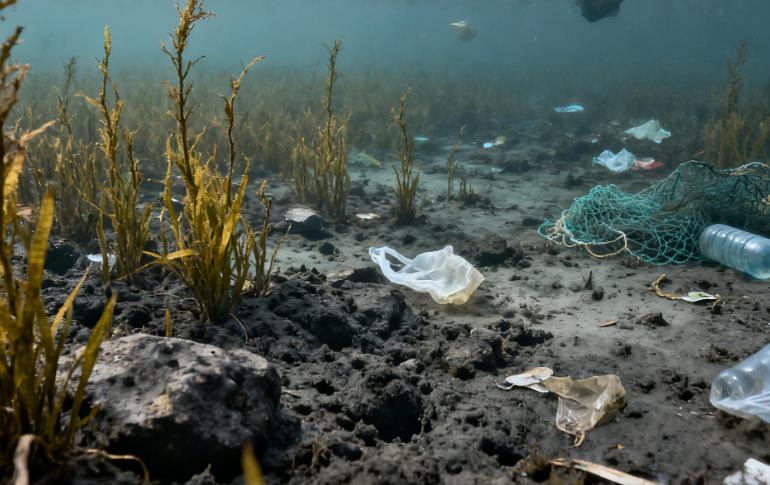
Global Degradation of Coastal Ecosystems
The State of the World’s Coastal Ecosystems Report was released at the Global Coastal Forum in Yancheng. The report indicates that over the past 50 years, typical ecosystems such as seagrass beds, coral reefs, and mollusk reefs have experienced an average annual net loss exceeding 1%, with tropical regions being particularly affected. 97% of mangroves…