-

Australia Closes Harmful Fishing Practices to Protect Dolphins and Aid Coral Reef Fish Recovery
December 3 News: The Western Australian government announced the closure of an ecologically destructive fishing operation to protect marine life including dolphins, while pledging to restore fish populations in iconic reef areas. This initiative has garnered recognition from environmental groups and support from the tourism industry. Additionally, local research institutions received funding to study coral…
-

Deep-sea mining lacks scientific basis and carries high risks
Deep-sea mining is a project that lacks sufficient scientific support, poses significant risks, and is entirely unsustainable. Such mining activities will cause irreversible damage to fragile marine habitats, severely disrupt the integrity of marine food chains, and inflict long-term, widespread ecological harm that could trigger cascading imbalances throughout marine ecosystems.
-
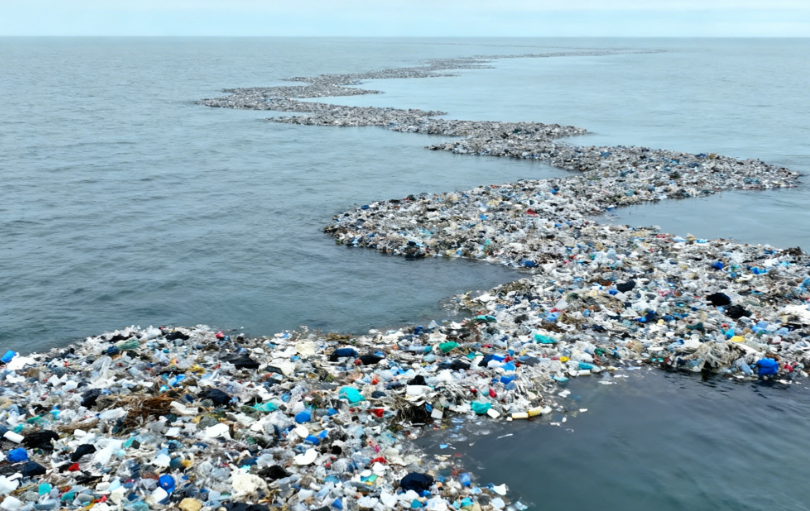
AI-Powered Pollution Monitoring
Amazon Web Services partners with The Ocean Cleanup to track and clean up the Great Pacific Garbage Patch using AI technology. AI algorithms analyze satellite imagery to precisely identify plastic debris locations, boosting cleanup efficiency by 30%.
-
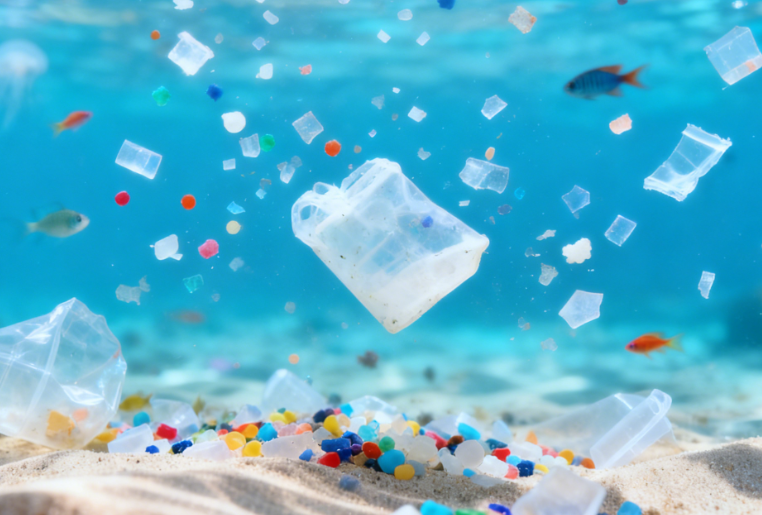
New Marine Ecosystem
Plastic-eating bacteria discovered in 80% of the world’s oceans. These microorganisms have evolved a specialized enzyme (M5-PETase) to break down PET plastic, primarily concentrated in the South Atlantic Gyre and the equatorial belt of the Indian Ocean.
-
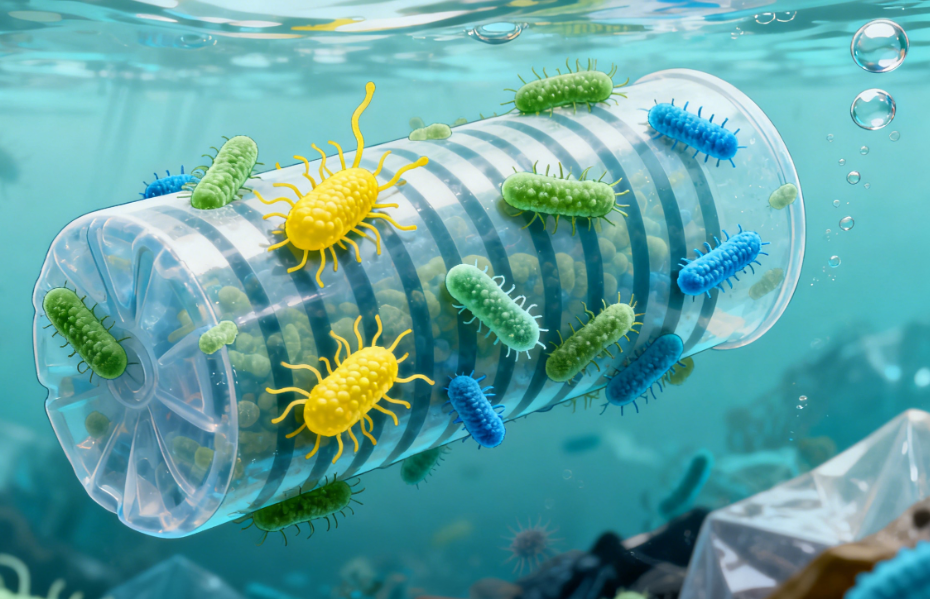
Deadly New Discovery About Microplastics
The Plymouth Marine Laboratory (PML) has revealed in its latest research that over 400 types of bacteria colonize the surfaces of microplastics, with approximately one-third being pathogenic bacteria capable of triggering various human diseases. The research team strongly advises: “All volunteers participating in beach cleanups should wear gloves throughout the activity and thoroughly wash their…
-
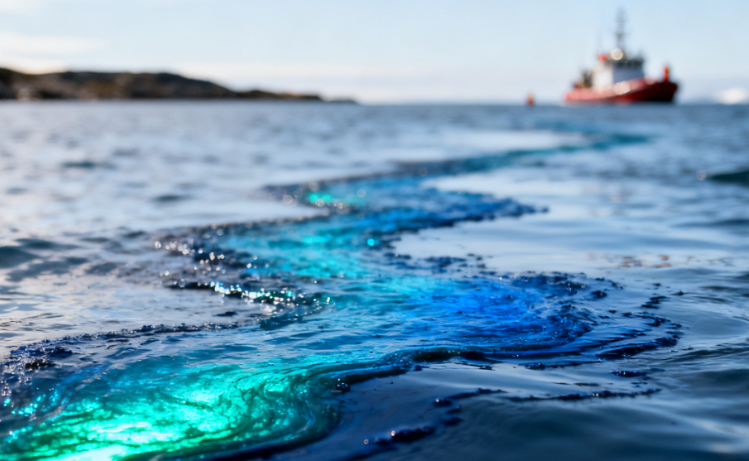
Diesel Spill in Northern Norway
A 4,000-liter diesel spill in the Tjeldsund waters off northern Norway has formed a blue oil slick that impedes gas exchange in the water column. Toxic substances in the diesel, such as polycyclic aromatic hydrocarbons (PAHs), readily adsorb onto sediments and accumulate through the food chain. This poses acute and chronic threats to plankton, shallow-water…
-
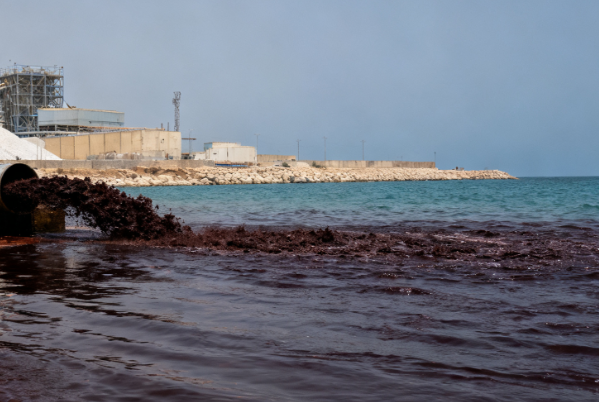
Industrial Pollution in Gabès Bay, Tunisia Triggers Ecological Disaster
Long-term discharge of untreated industrial wastewater from phosphate processing plants in Gabès, Tunisia, has caused ocean acidification levels in Gabès Bay to rise by 30%, with local sea areas seeing pH levels drop below 7.2. The latest monitoring in November 2025 revealed a 67% decline in the bay’s benthic biodiversity index compared to a decade…
-
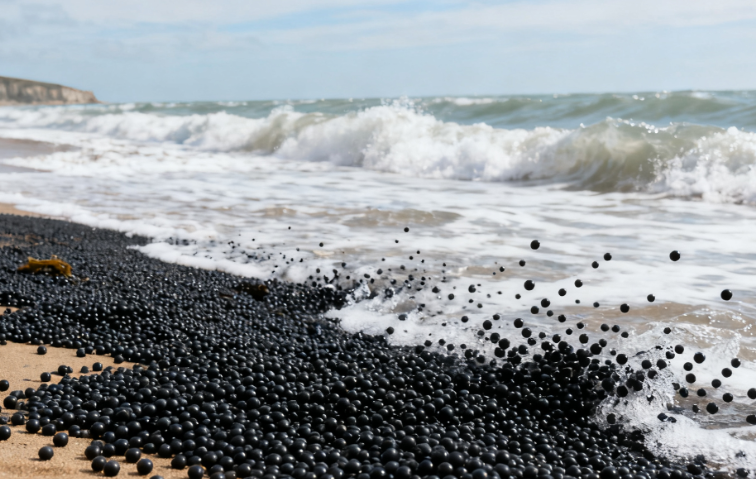
Millions of Plastic Microbeads Wash Ashore on Southern UK Beaches
On November 10, beaches in East Sussex, southern England, were covered in vast quantities of black plastic microbeads (“biobeads”), described by environmental groups as “the worst plastic microbead pollution incident on record.” These beads, used to filter bacteria in sewage treatment plants, were released into the ocean during heavy rainfall due to equipment failure.
-
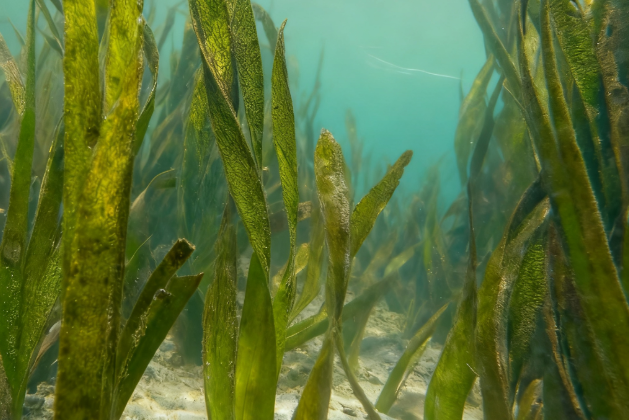
Seagrass Bed Restoration Technology Export
The 306-hectare Zostera marina seagrass bed restored in Qingdao West Coast New Area, China, has boosted Tang Island Bay’s biodiversity index by 40% through a model prioritizing natural recovery supplemented by artificial restoration. This experience was shared globally at the October 21st Symposium on Seagrass Conservation and Climate Change Synergies. The China-Fiji collaborative “South Pacific…
-
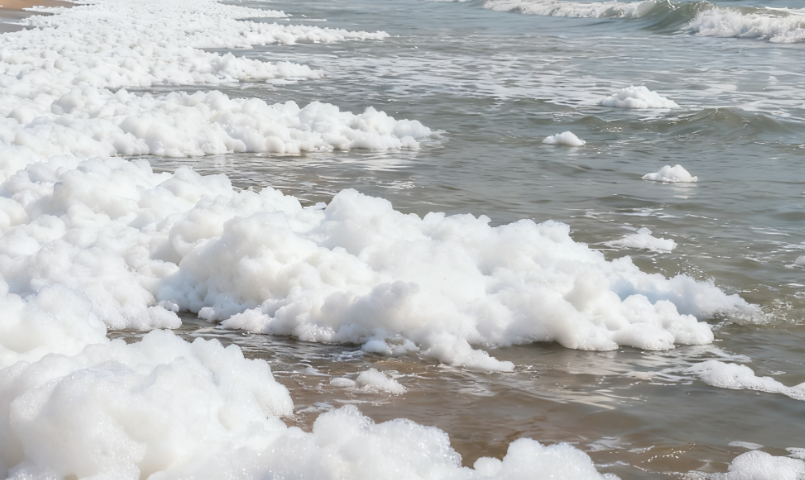
Massive White Pollution Foam Appears on Chennai Beaches in India
Large amounts of white foam have appeared on beaches in the eastern coastal city of Chennai, India, stretching for several kilometers and emitting a pungent odor. Preliminary analysis indicates that recent heavy rains washed untreated sewage and industrial wastewater into the sea. Chemicals like detergents and phosphates mixed with seawater, forming foam through wave action.…