-
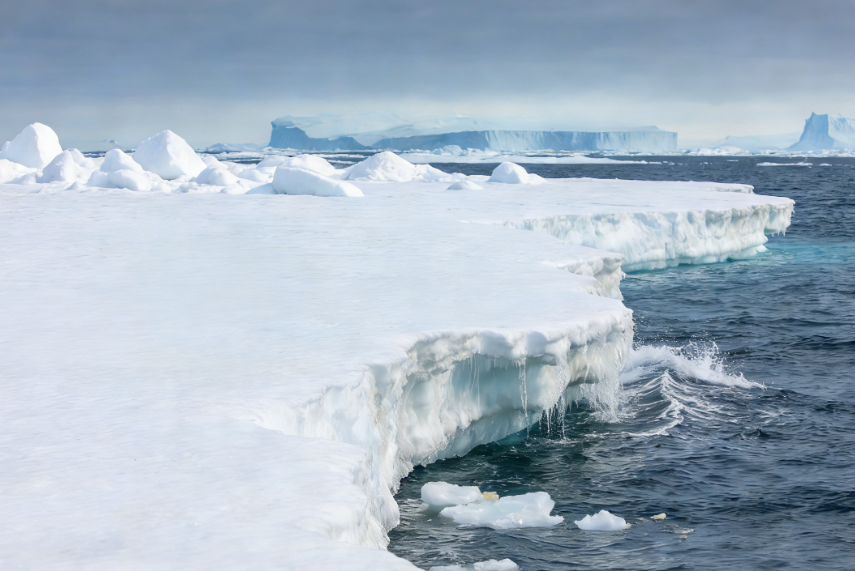
Lead Pollution Persists in Arctic Ocean
A joint German-Norwegian study reveals that historical lead emissions from the North Atlantic are continuously entering the Arctic Ocean via ocean currents, with some seabed sediments containing lead levels 15 times higher than natural background levels. Lead contamination disrupts reproduction among benthic organisms, threatening the Arctic food chain and jeopardizing the safety of traditional foods…
-
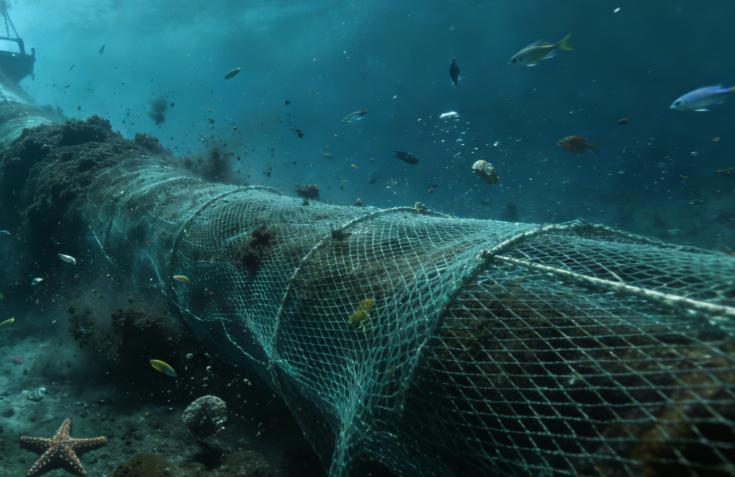
Trawling intensifies mercury release from the ocean
A Peking University international research team has discovered that trawling disrupts seabed sediments, accelerating mercury release by 40% compared to natural conditions. Climate warming further intensifies this process, with ocean mercury release projected to increase by 60-80% by 2050. Mercury accumulates through the food chain, ultimately impacting human health—particularly coastal residents who consume large amounts…
-
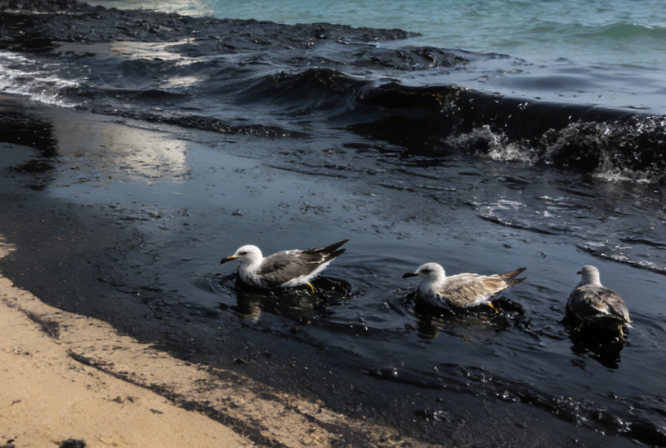
Oil Spill Off Ukraine’s Odessa Coast
Russian missile strikes on Pivdennyi Port in Odessa Oblast damaged sunflower oil storage tanks, causing a massive leak of vegetable oil into the Black Sea. The pollution rapidly spread to Odessa beaches, forming black streaks and killing seabirds whose feathers became coated in oil, preventing them from taking flight. Ukrainian authorities have deployed specialized vessels…
-
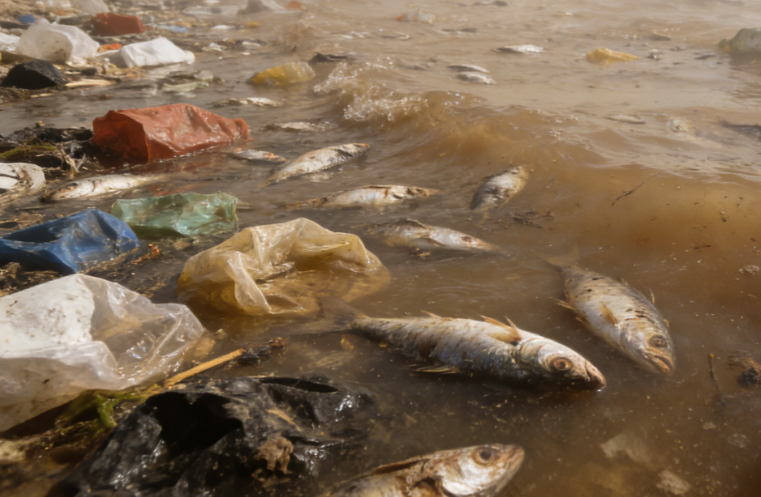
Ecological Disaster in Libyan Waters
During a historical shipwreck survey off the coast of Zuwara, Libya, a research team uncovered a severe marine ecological crisis in the region. Visibility in these waters is extremely poor, with plastic debris and large quantities of dead fish scattered throughout. Certain areas, completely devastated ecologically, have been dubbed “marine graveyards,” experiencing a drastic loss…
-
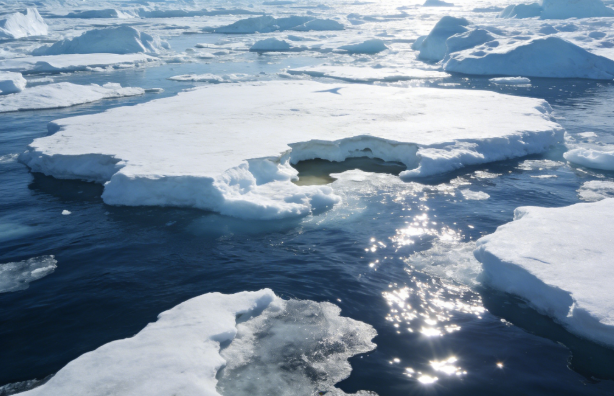
Human-made Lead Pollution Continues to Invade the Arctic Ocean
A joint German, British, and Canadian research team published findings in Nature Communications revealing that between 1970 and 2015, the Arctic Ocean received a net influx of 75,000 tons of anthropogenic lead from the North Atlantic—a volume equivalent to natural riverine inputs. Currently, the Arctic Ocean receives approximately 611 tons of dissolved lead annually from…
-
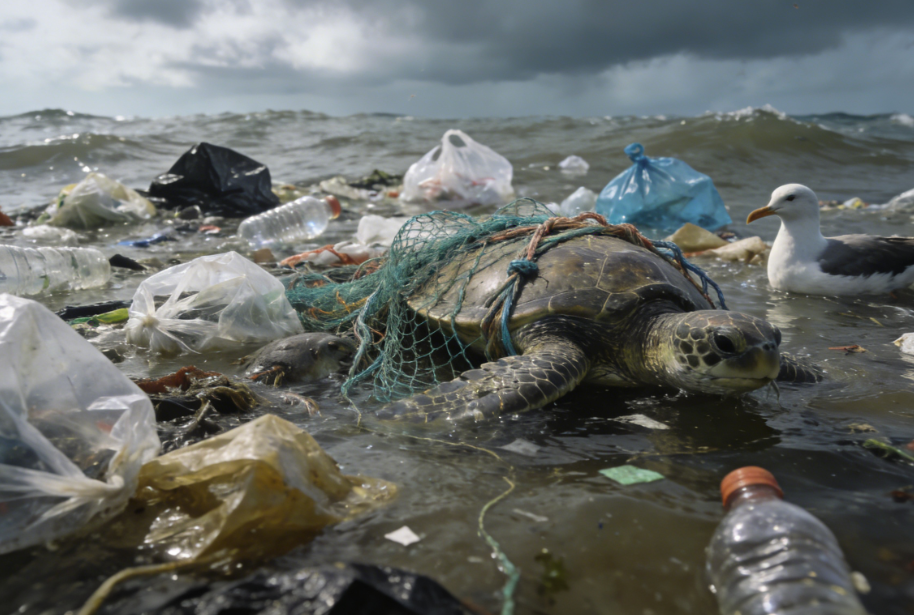
Marine Plastic: The Global “White Plague”
Marine plastic pollution has evolved from a localized issue into a global ecological catastrophe. Annually, approximately 9–14 million tons of plastic enter the oceans—equivalent to one full garbage truck of plastic dumped into the sea every minute. The cumulative plastic in the oceans now ranges from 75 million to 199 million tons, accounting for over…
-
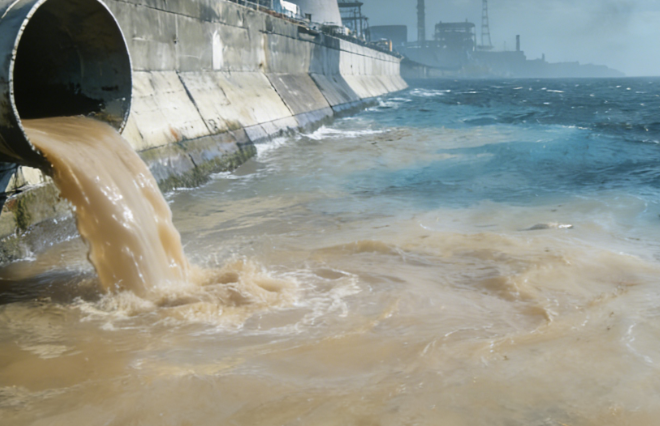
Fukushima Nuclear Contaminated Water Discharge Continues to Harm Marine Environment
Tokyo Electric Power Company (TEPCO) has commenced the 17th round of discharging nuclear contaminated water from the Fukushima Daiichi Nuclear Power Station into the ocean. The planned discharge volume is approximately 7,800 tons, averaging about 433 tons per day. Combined with the cumulative discharge from the previous 16 rounds, the total volume will approach 133,000…
-
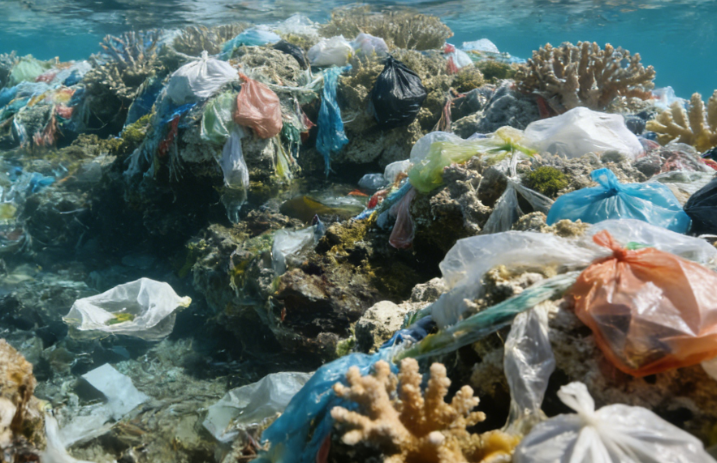
Plastic Waste Forms “Trash Reef” in Greece’s Aegean Sea
Recent reports indicate that tens of thousands of tons of plastic waste have accumulated in waters near Andros Island, Greece, forming a “garbage reef” resembling coral formations. The debris consists primarily of colorful plastic bags entangled among the coral formations. Its origins trace back to 2011, when torrential rains caused a local informal waste disposal…
-
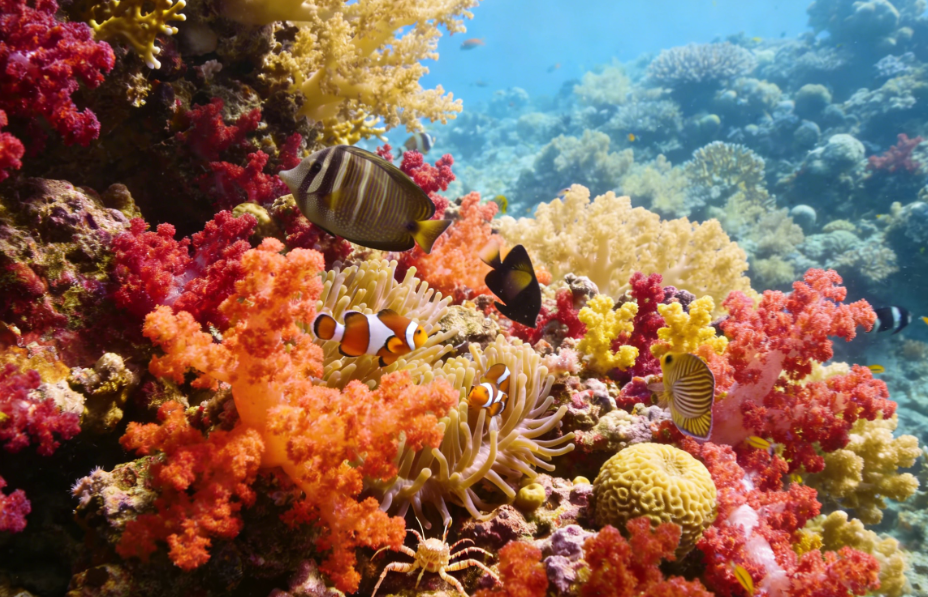
Multiple Pollutants Threaten Phuket’s Waters
The Marriott Resort & Spa at Mai Khao Beach in Phuket, Thailand, has partnered with the international conservation organization WildAid to advance local marine protected area development and coral reef restoration efforts. The nearshore coral reefs along Phuket’s coastline serve as vital assets for tourism activities like snorkeling and diving, while also providing crucial nesting…
-
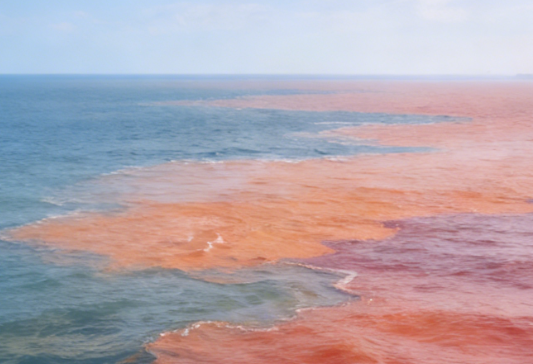
Japan’s Release of Nuclear-Contaminated Water into the Sea Triggers Ecological Anomalies in Multiple Nations’ Waters
The ecological hazards of discharging nuclear-contaminated water into the ocean have gradually become apparent. Cesium-137 concentrations in the East China Sea have surged 28 times compared to 2011 levels. Octopuses in the Mariana Trench not only grew three times the normal number of tentacles but also exhibited radioactive material levels 248 times higher than the…