-
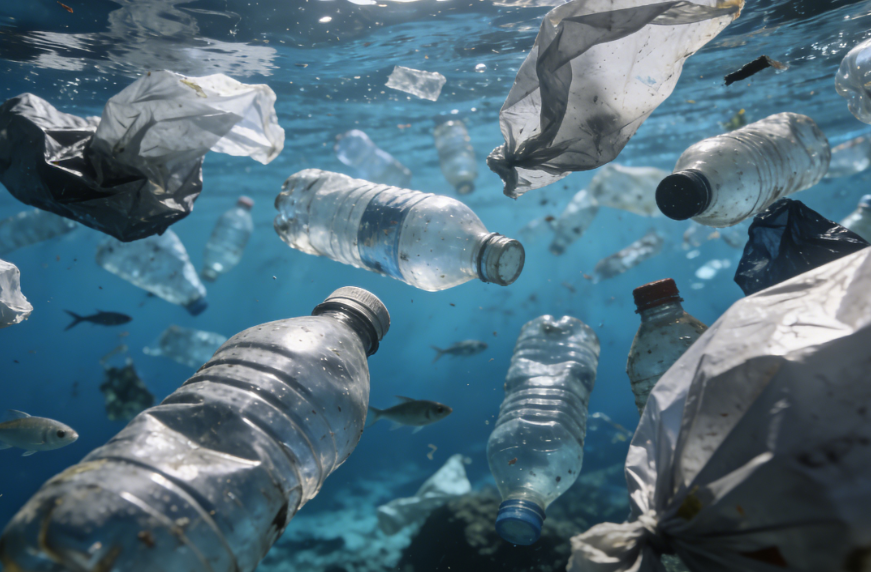
South Africa Launches Coast 2 Coast 2026 Environmental Initiative
South Africa’s flagship beach cleanup campaign expands this year to inland waterways and communities, jointly launched by the plastic packaging industry organization Polyco and environmental group Save a Fishie. The initiative aims to remove marine plastic waste, raise public environmental awareness, and promote plastic waste recycling. For the first time, cleanup efforts extend beyond beaches…
-
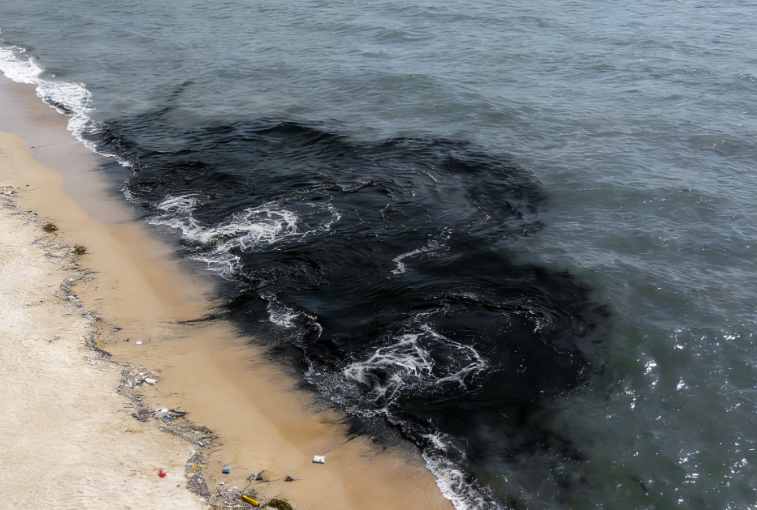
Black Wastewater Discharged into Sea at Pattaya Beach, Thailand
Construction contractors for a Thai beach landscaping project directly pumped large volumes of accumulated sewage from drainage systems into the ocean, causing seawater to turn black and emit foul odors. Thailand’s Ministry of Natural Resources and Environment urgently halted construction, initiated water quality testing, and filed lawsuits against responsible parties. The seawater has now returned…
-
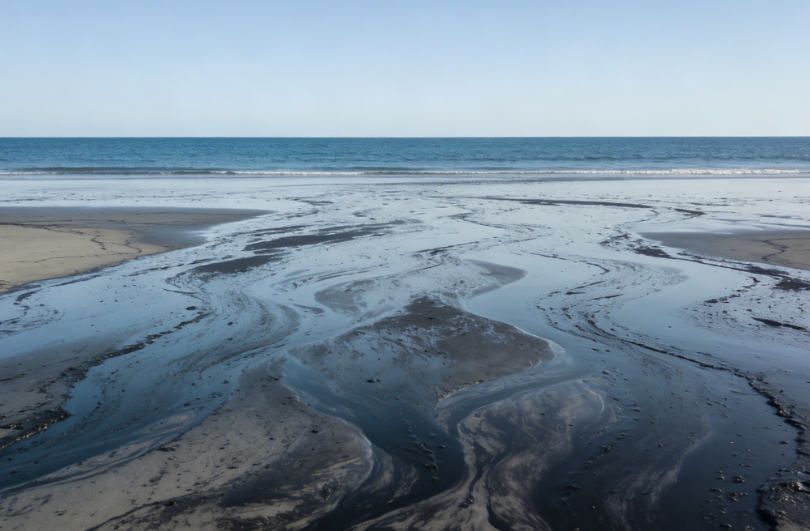
U.S. Offshore Drilling Plan Sparks Marine Pollution Alarms
The Center for Biological Diversity has released a new analysis warning that the Trump administration’s offshore drilling plan could trigger over 4,000 oil spills, releasing more than 12 million gallons of crude oil. These spills would threaten multiple critical marine ecosystems never before exploited in the United States, causing catastrophic impacts on coastal communities dependent…
-
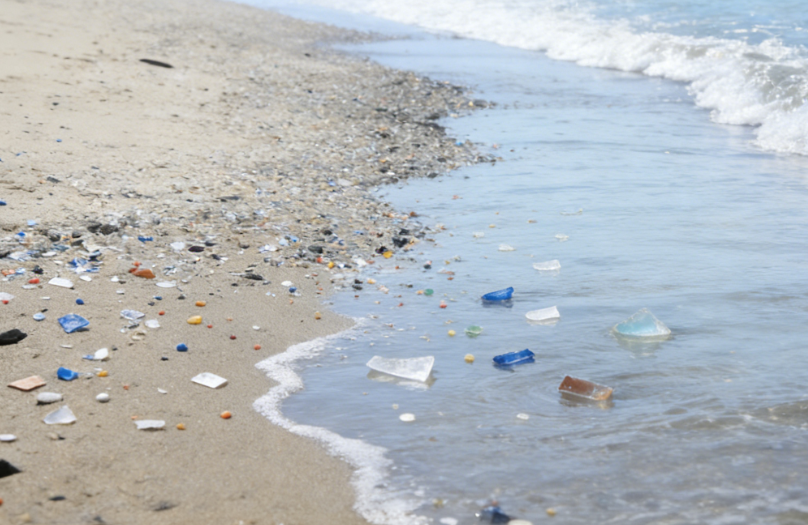
New Findings in UK Coastal Microplastic Pollution Survey
A joint project between the University of Portsmouth and GB Row Challenge has released findings indicating microplastic pollution concentrations in waters surrounding the UK coastline may be twice as high as previously recorded. Concentrations detected in the Irish Sea have reached a three-year high. These microplastics, predominantly small-particle-sized, are more easily ingested by marine life.…
-
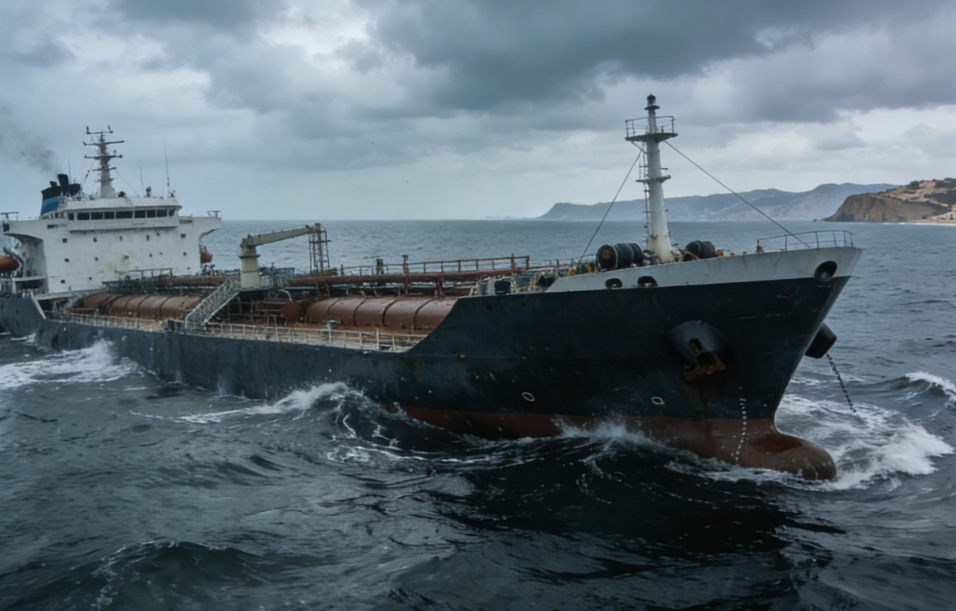
Russia’s “Zombie Tanker” Drift Crisis
Russian tanker “Chariot Tide,” carrying 400,000 barrels of refined diesel, has drifted out of control approximately 60 kilometers off the coast of Málaga, Spain. The vessel remains in a state of crisis: “out of control” for several days, moving at an extremely slow speed of 0.2-1 knots. It previously narrowly avoided grounding off the Moroccan…
-
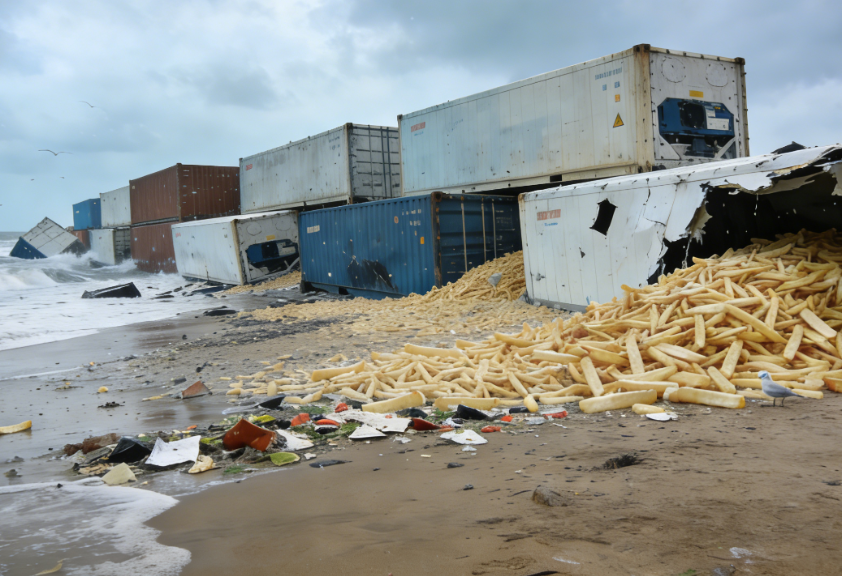
French Fry Container Marine Debris Pollution
Winter storm “Gordie” caused two cargo ships to lose 24 containers in the English Channel. Seventeen refrigerated containers filled with frozen French fries were washed ashore on East Sussex beaches, with some areas piled up to 2.5 feet deep. The massive food waste pollutes the beach ecosystem, attracting pests, threatening seabirds and marine life, and…
-
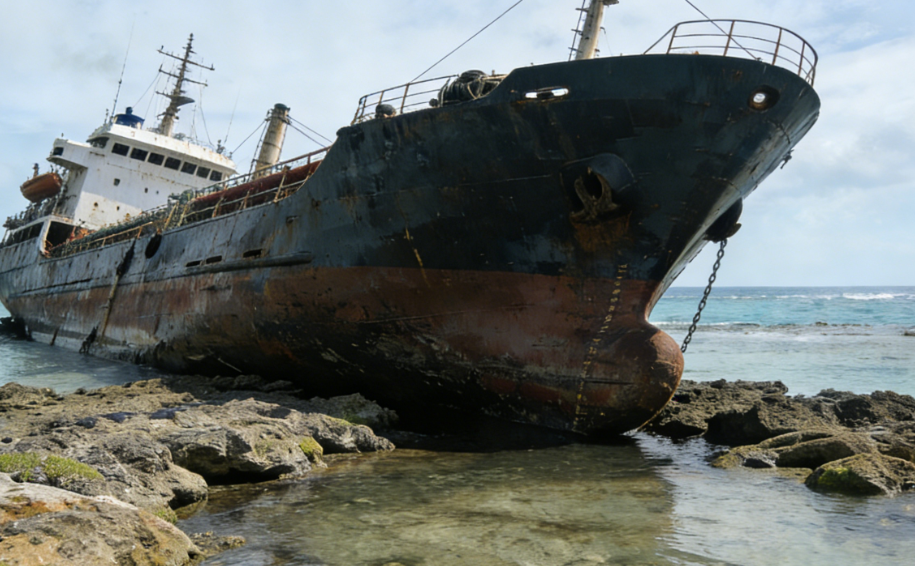
Oil Tanker Grounded in Coral Reef Reserve
A tanker carrying 1,200 tons of fuel oil ran aground in the Coron Bay Coral Reef Conservation Area. While no significant leakage has been detected, a strong odor of oil and gas has been identified. The stranding occurred within the core zone of a World Natural Heritage site, where the coral reef ecosystem is highly…
-
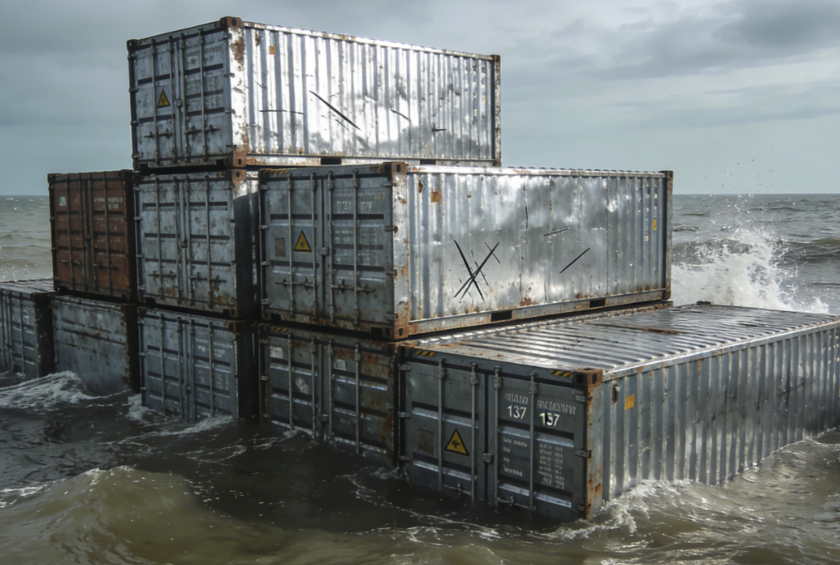
Radioactive Waste Temporarily Removed from Sea
Twenty-three containers of zinc ore contaminated with traces of cesium-137, which had been stranded in Manila Bay for months, were transferred on January 14 to a temporary storage site outside the Greater Manila Area. They may subsequently be moved to military facilities in Subic Bay. The shipment was rejected by Indonesia after being exported from…
-
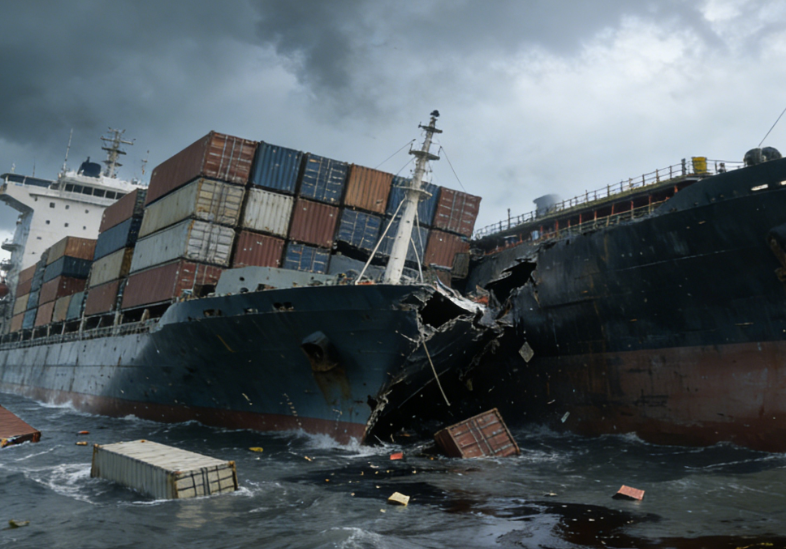
Collision Between Cargo Ship and Oil Tanker in UK North Sea
On January 14, a container ship collided with an oil tanker in the UK North Sea, triggering a violent explosion.No major oil spill has been reported so far, but potential pollution risks remain. The cause of the accident is under investigation. Captain Vladimir Motin faces manslaughter charges over the death of a crew member.
-
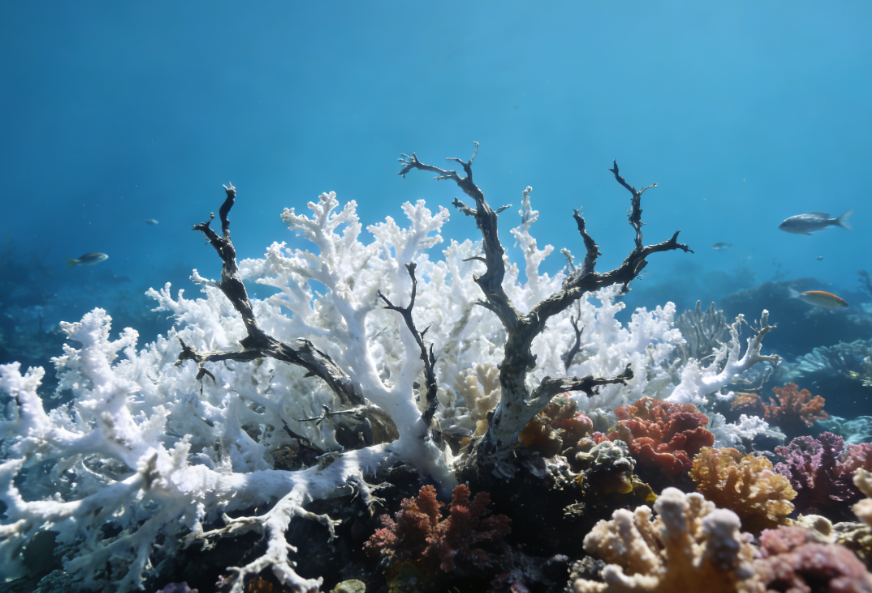
84% of the world’s coral reefs bleached
Experts at Plymouth Marine Laboratory warn that global coral reefs may approach irreversible collapse by 2026. El Niño has caused bleaching in 84% of the world’s coral reefs, with two critical Florida reefs now deemed “beyond recovery.” This threatens marine biodiversity, undermines coastal defenses, and impacts fishery resources.