-
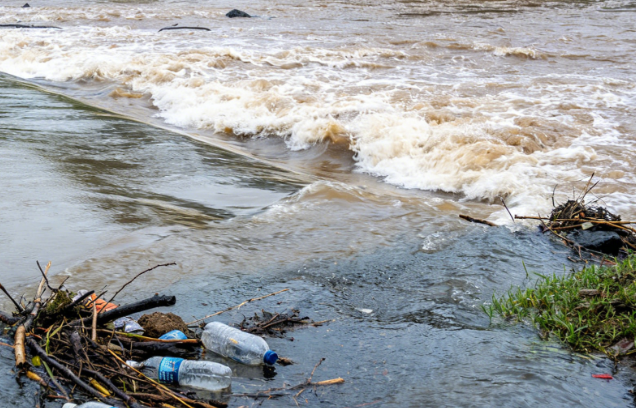
Heavy Rains in Hawaii Cause Massive Sewage Overflows
Hawaii has been hit by persistent heavy rainfall, causing sewage treatment facilities in many areas to become overwhelmed and result in sewage overflows. Large amounts of surface runoff containing pesticides and chemicals have surged into rivers and coastal waters, causing water pollution. A statewide sewage advisory has been issued, strictly prohibiting the public from coming…
-
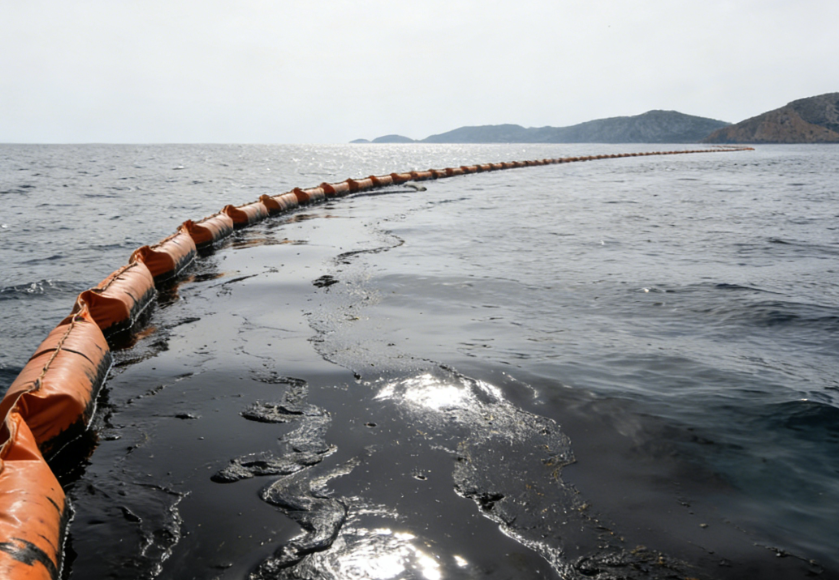
Risk of Oil Spills Rises in the Mediterranean
A cargo ship suffered engine failure in waters near Sardinia, Italy, resulting in the spill of approximately 30 tons of diesel fuel. The spill has formed an oil slick stretching 10 kilometers, threatening local fisheries and marine protected areas. The Mediterranean Marine Environment Organization has urgently deployed oil booms and oil recovery vessels, warning that…
-
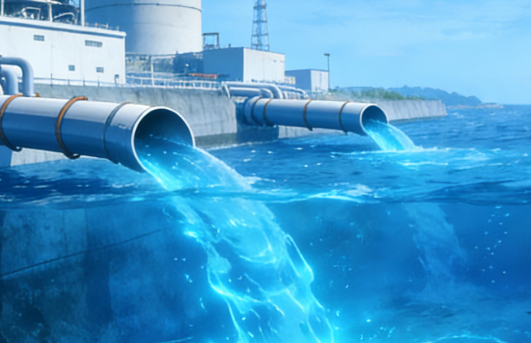
Nuclear Contamination Discharges into the Sea Continue
On the 15th anniversary of the Fukushima nuclear disaster on March 11-12, Japan’s 18th round of discharging nuclear-contaminated water into the sea is still ongoing. A cumulative total of 133,000 tons has been discharged so far, with plans for eight more discharges totaling 62,400 tons in fiscal year 2026. Radioactive nuclides continue to contaminate the…
-
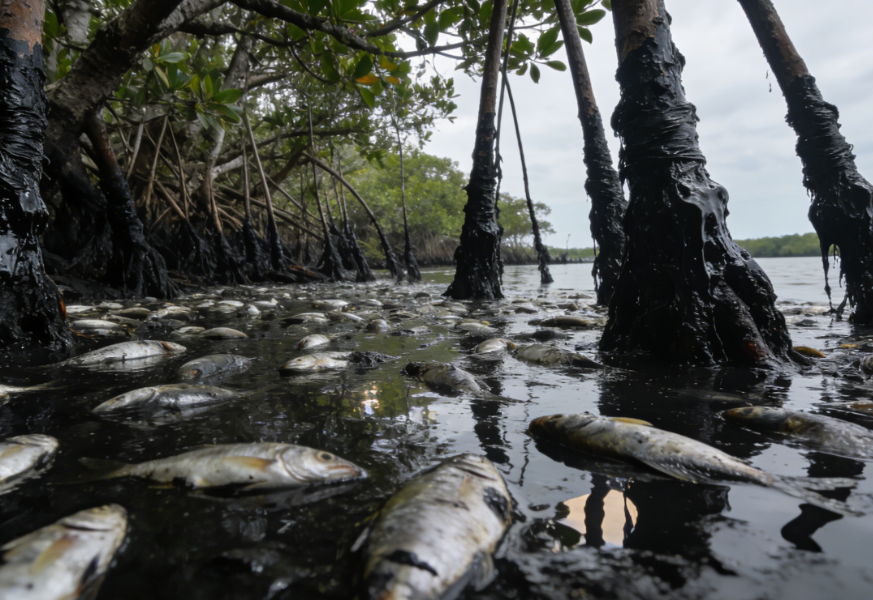
Massive Oil Spill Ecological Pollution Incident Along the Gulf of Mexico Coast
In March 2026, a large-scale oil spill occurred along the Mexican coast of the Gulf of Mexico, with the oil slick stretching over 100 kilometers. By March 11, the oil had reached the mouth of the Oystión Lagoon, severely damaging the local mangrove ecosystem and coastal aquaculture zones. Massive marine life mortality occurred, devastating the…
-
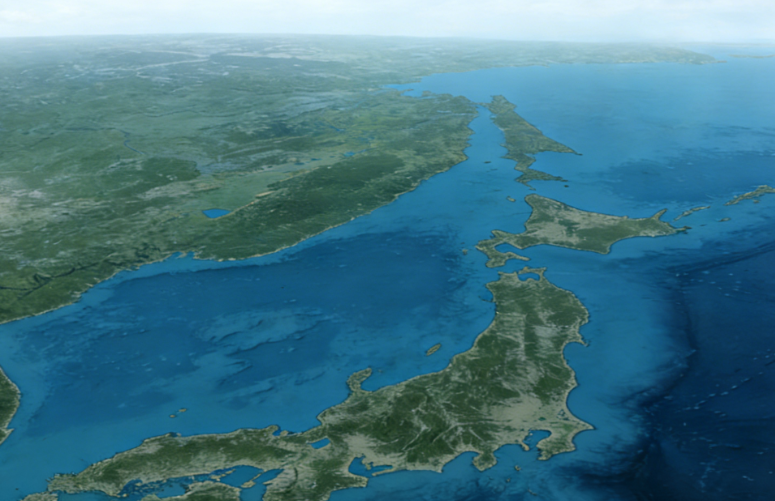
Japan’s 9th Round of Fukushima Nuclear Contaminated Water Release Concludes, Multiple Countries Detect Excessive Radionuclides
On February 25, the 9th round of Fukushima nuclear contaminated water discharge into the sea concluded. Monitoring by China’s Ministry of Ecology and Environment revealed that near the discharge point, the highest tritium activity concentration reached 1,890 Bq/L—45 times higher than the value disclosed by Tokyo Electric Power Company (TEPCO). Strontium-90, Cesium-137, and Carbon-14 exceeded…
-
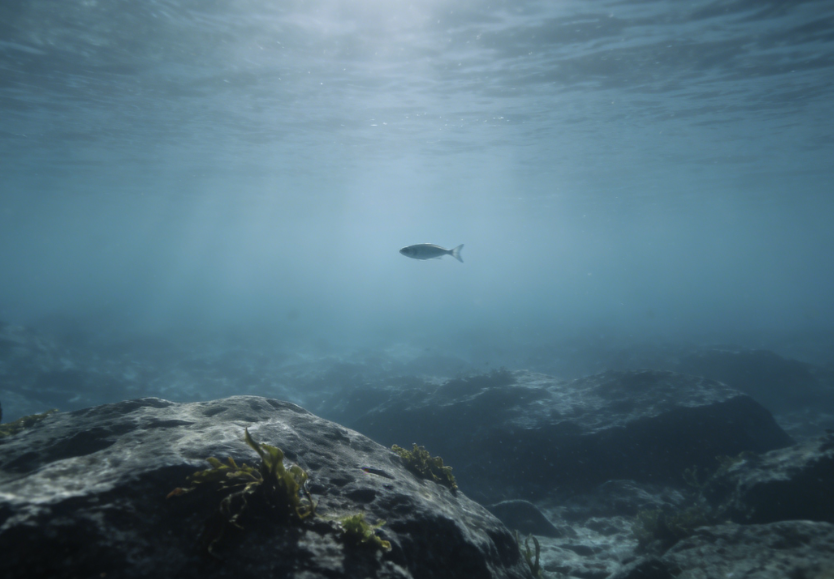
Ocean Warming Causes Sharp Decline in Fish Populations
A study published in Nature Ecology & Evolution reveals that for every 0.1°C increase in ocean temperature per decade, fish populations decline by an average of 7.2%. The faster the temperature rises in the deep ocean, the more severe the fish losses become. The study indicates that bottom-water warming is a more critical long-term stressor…
-
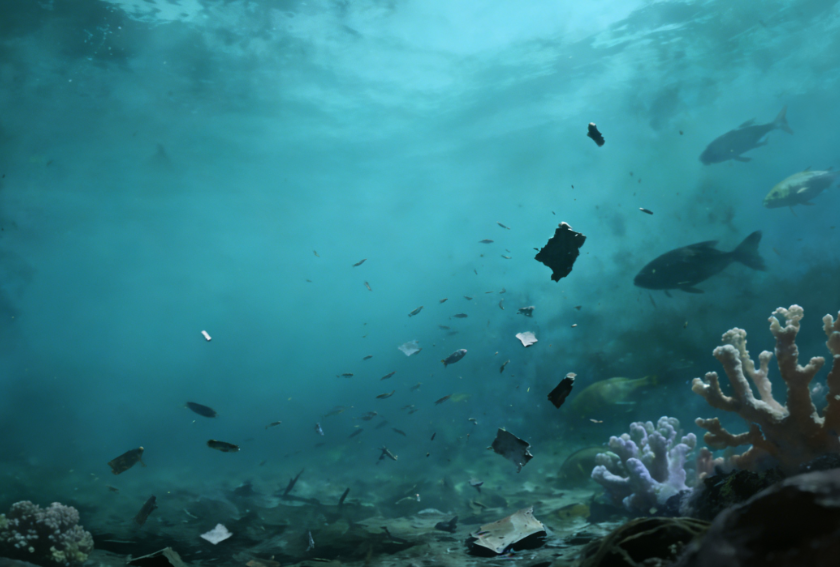
Ocean Acidification Disrupts Ecological Balance
A recent study published in Frontiers in Marine Science indicates that global ocean acidification caused by carbon dioxide emissions is making shark teeth brittle and prone to fracture, directly impairing their hunting and survival capabilities. The research warns that ocean acidification is disrupting marine ecological balance starting from the top of the food chain. Long-term…
-
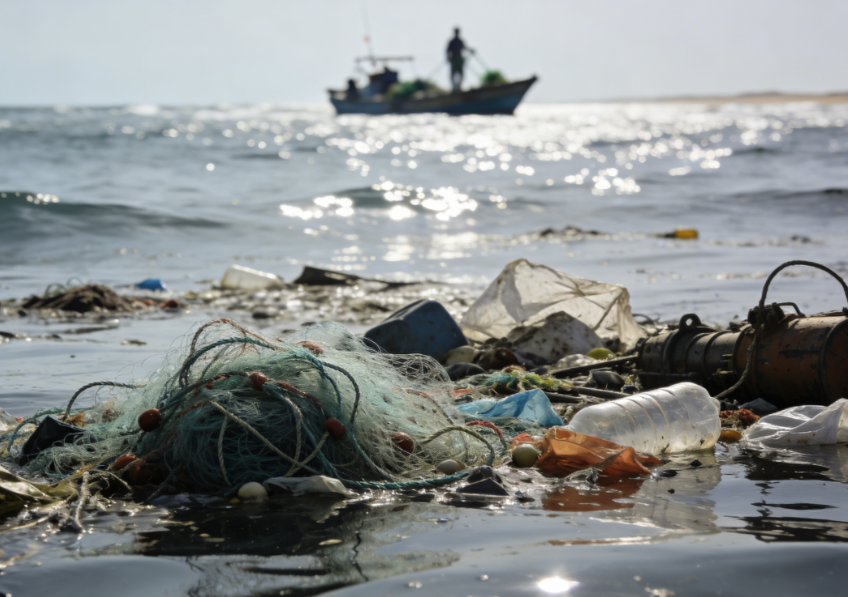
Somalia Launches Large-Scale Marine Cleanup
International environmental organization Satlink has partnered with the Somali government to launch Project ReCon, marking the nation’s first large-scale marine debris cleanup initiative. The project focuses on removing the most severe pollutants along the coastline—abandoned fishing gear (ghost nets) and industrial plastics—while establishing a new model for marine pollution management in Somalia, which boasts one…
-
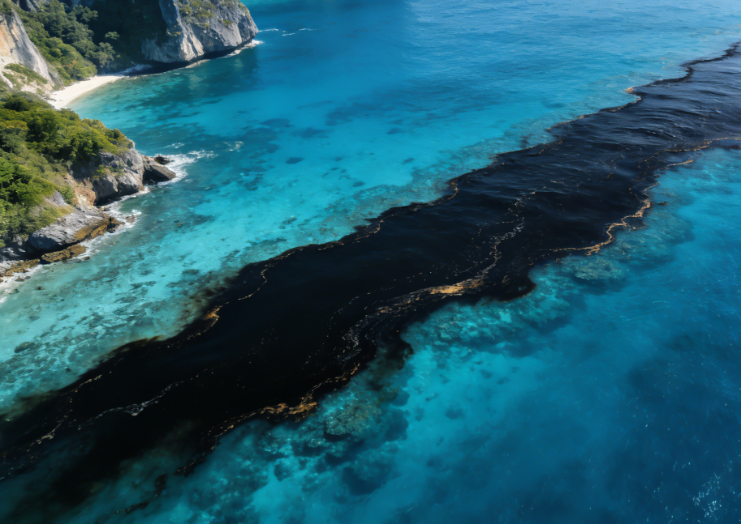
Oil Spill Occurs After Cargo Ship Sinks Off Phuket, Thailand
A Panamanian-flagged cargo ship unexpectedly sank in waters south of Phuket, Thailand, causing a leak of 4,200 gallons of diesel fuel and 100–200 gallons of lubricating oil, posing a severe threat to the local marine environment. On-site monitoring revealed the spill has formed an oil slick measuring 4.5 miles long and 1 mile wide, drifting…
-
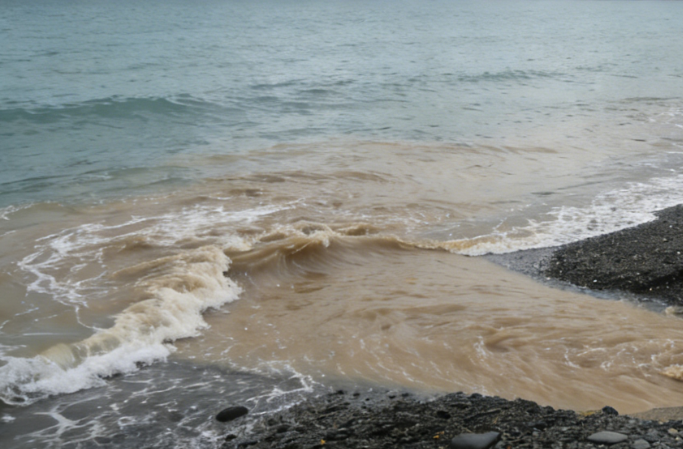
Wellington Sewage Spill Incident
Heavy rainfall in Wellington, New Zealand, has overwhelmed the city’s sewage treatment system, resulting in approximately 70 million liters of untreated wastewater flowing into coastal waters surrounding the capital. Local authorities have classified the incident as an “environmental disaster.” The discharge may lead to marine life deaths and seawater eutrophication. Officials have activated emergency response…