-
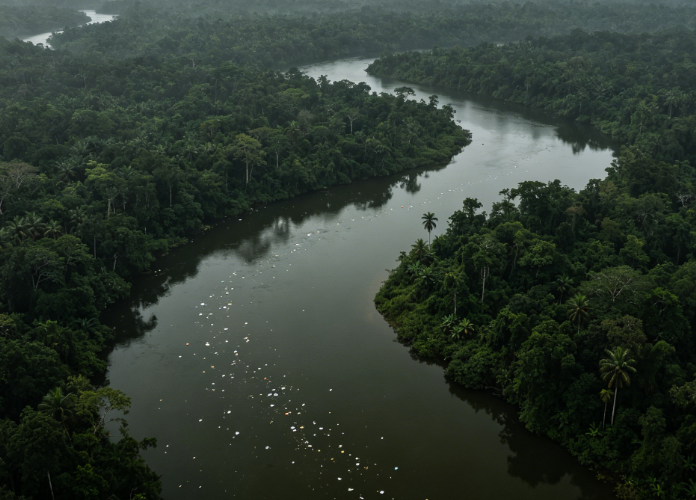
Plastic Pollution Invades the Rainforest Food Chain
Polyester microplastic fibers have been widely detected in the bodies of frog tadpoles in the Amazon’s pristine interior. These pollutants primarily enter the most remote waters of the rainforest via waterways, carried by plastic waste discarded during inland waterway shipping, plastic particulate matter transported by atmospheric circulation, and domestic wastewater discharged from riverside towns. This…
-

Temperatures on the Iberian Peninsula Approach 47°C
Portugal and Spain are experiencing the peak of this heat wave, with maximum temperatures approaching 47°C in many areas. The high temperatures and intense sunlight have triggered photochemical reactions between vehicle exhaust and industrial emissions, causing ground-level ozone levels across the Iberian Peninsula to reach “severe pollution” levels. Ozone severely irritates the respiratory tract; the…
-
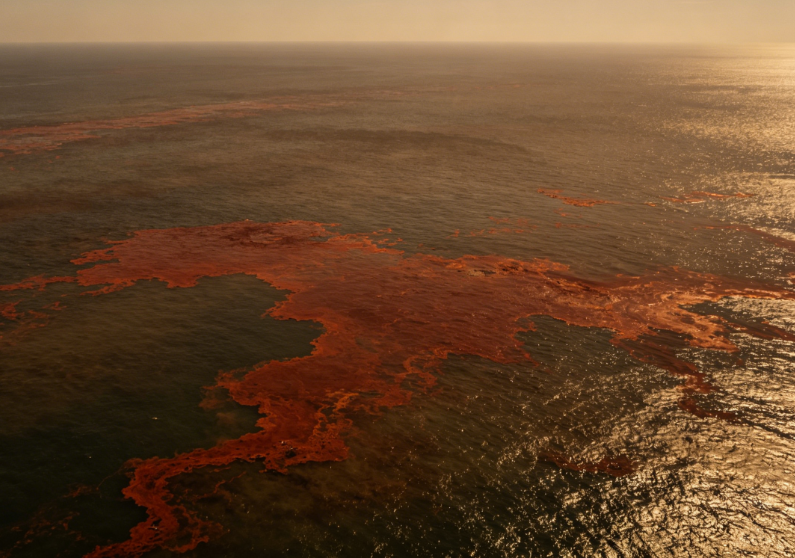
Global Sea Surface Temperatures Hit New Record High
According to data from the Copernicus Ocean Monitoring Agency, the recent global average sea surface temperature has surpassed 21.0°C, setting a record high for this time of year since records began. The combination of El Niño and greenhouse gas emissions is the primary cause. The abnormal warming of seawater is accelerating ocean acidification, further exacerbating…
-
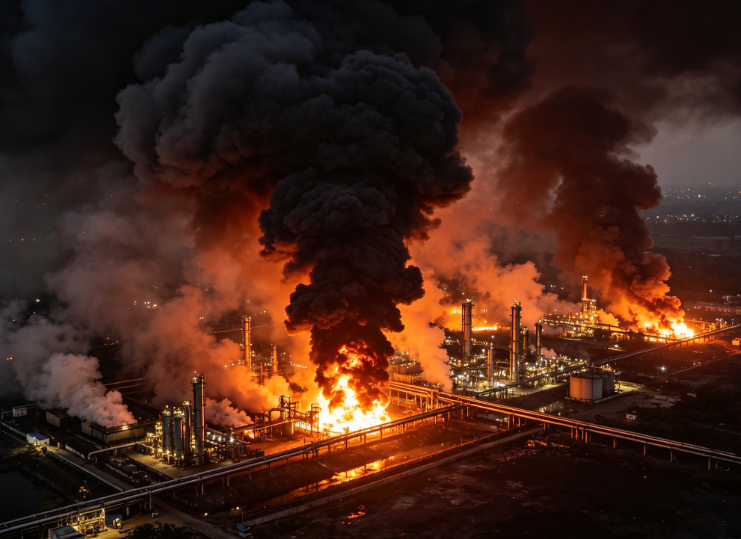
Naphtha Fire at a Refinery in West Bengal, India
A sudden safety incident occurred at the Hordiya Refinery in West Bengal, India, when oil thieves maliciously sabotaged an on-site oil pipeline. Naphtha leaking from the damaged pipeline ignited, triggering a massive fire. The naphtha blaze ultimately left 20 workers injured. To contain the emergency and identify potential hazards, the refinery has suspended all operations.…
-

Extreme Heat Sweeps Across Southern and Western Europe
Eastern Germany recorded a record high of 41.7°C for this time of year, while temperatures in southern France reached 43°C, prompting a nationwide red heat warning. The combination of high temperatures and intense sunlight triggered photochemical reactions in industrial emissions and vehicle exhaust, causing ground-level ozone levels across France, Spain, and Italy to reach “severe…
-
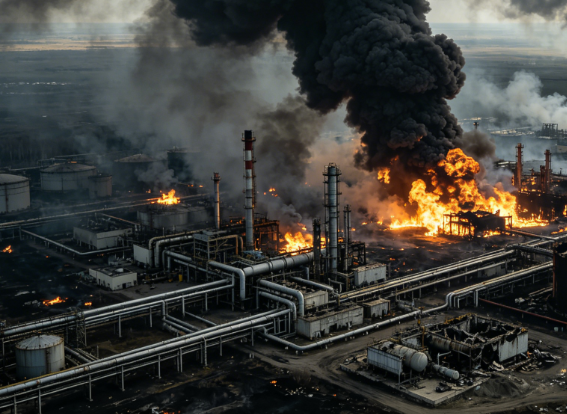
Fire at Russian Oil Refinery Causes Ongoing Cross-Border Air Pollution
A Ukrainian drone attack on a large inland oil refinery in Russia sparked a massive fire. The burning of crude oil, sulfides, and heavy metals produced thick black smoke, and pollutants drifted westward toward the Eastern European border. PM2.5 concentrations in a border city in Belarus briefly surged 2.8 times, local authorities issued a temporary…
-

Heat Dome Across Europe Exacerbates Pollution
France, the United Kingdom, and Spain are experiencing extreme heat not seen in a century, with temperatures in some parts of France exceeding 44°C. The heat accelerates the release of volatile toxic gases from urban road surfaces and industrial facilities, while photochemical reactions lead to severe ground-level ozone pollution. At the same time, the risk…
-
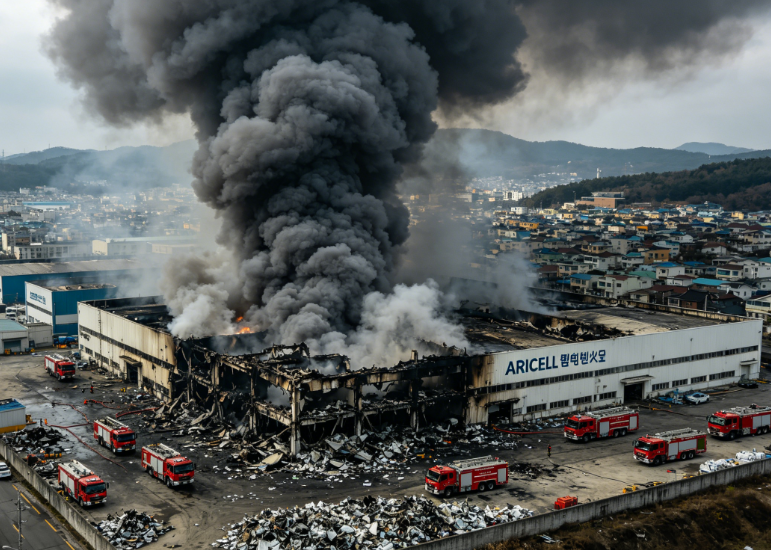
Massive Fire Breaks Out at Lithium-Ion Battery Plant in Hwaseong, South Korea
A massive fire suddenly broke out at the ARICELL lithium-ion battery production plant in Hwaseong, Gyeonggi Province, South Korea. The plant’s warehouse area contained more than 35,000 finished lithium-ion batteries. After the fire started, the batteries suffered successive thermal runaways and chain explosions, causing the flames to spread rapidly. It took firefighters nearly five hours…
-

Water Pollution Caused by a Break in the U.S.-Mexico Border Pipeline
The issue of cross-border sewage pollution along the U.S.-Mexico border continues to escalate. A 42-inch municipal sewage main in Tijuana, Mexico, has ruptured, causing millions of gallons of untreated domestic sewage and industrial wastewater to continuously flow into the river that forms the border between the two countries. The foul odor of hydrogen sulfide emanating…
-
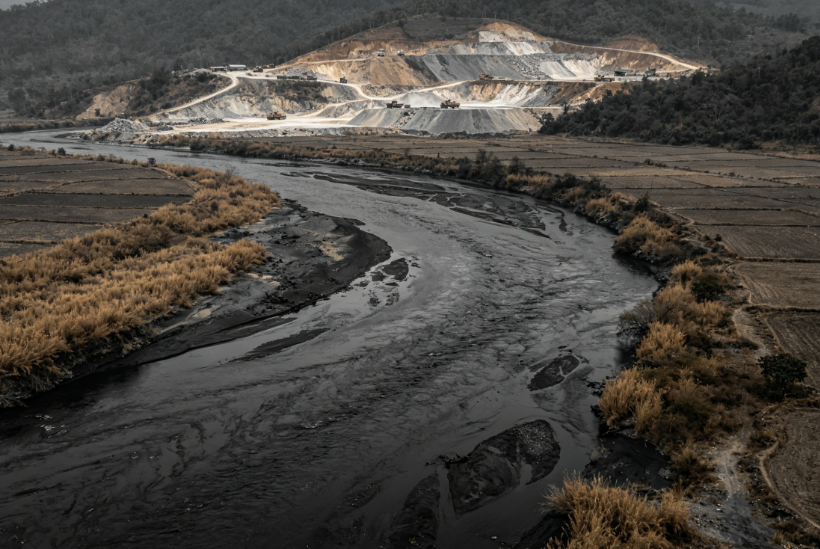
Cross-Border Heavy Metal Pollution from Myanmar Mines Affects Northern Thailand
The Thai Pollution Control Department has released the results of its comprehensive sampling and testing, revealing that hundreds of unlicensed mining sites along the Myanmar border have been discharging heavy metal wastewater—rich in arsenic, mercury, and lead—into transboundary rivers for an extended period. These rivers supply daily drinking water to a total of 800,000 residents…