-
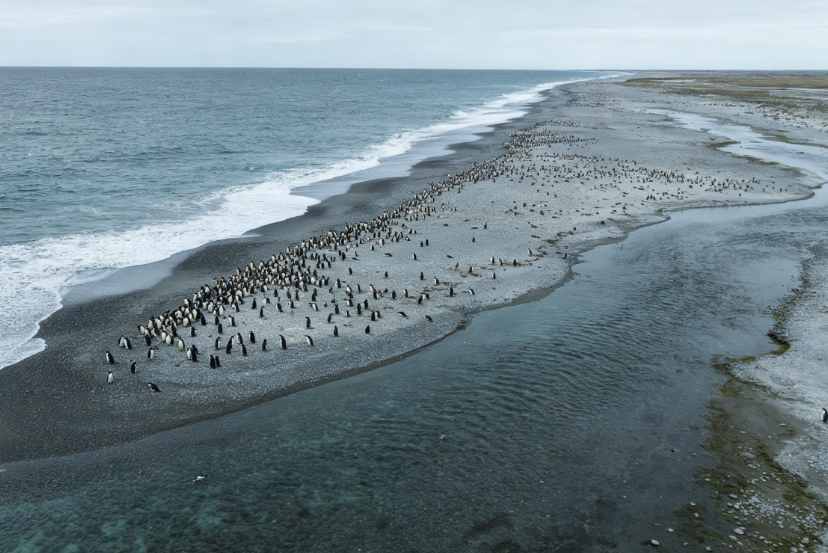
PFAS Persistent Chemical Contaminants Detected in Penguins
A joint Argentine-U.S. scientific research team has published a study revealing that high concentrations of PFAS persistent chemical contaminants were detected in 90% of penguins at a remote Magellanic penguin habitat in Chubut Province, Argentina. This habitat is far from industrial areas; the harmful substances are transported over long distances by ocean currents and accumulate…
-
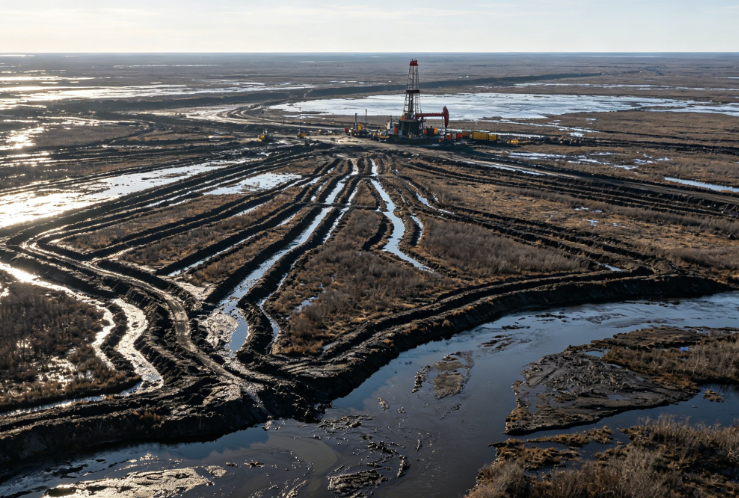
Oil Sands Exploration in Canada Causes Severe Greenhouse Gas Pollution
Research from the University of Waterloo shows that seismic exploration for oil sands in northern Canada has involved the digging of numerous trenches, resulting in the destruction of vast areas of northern peatlands. Peat is an important carbon sink; once damaged, it continuously releases methane, causing local greenhouse gas emissions to surge threefold. Pollutants generated…
-

B-52 Bomber Crash in California Causes Desert Air Pollution
A B-52 bomber crashed and exploded during a test flight at Edwards Air Force Base in California. Vast quantities of aviation fuel, lubricants, and toxic coatings from the aircraft’s fuselage were dispersed into the Mojave Desert along with the smoke and debris from the fire, causing widespread air pollution. Soil tests revealed high concentrations of…
-
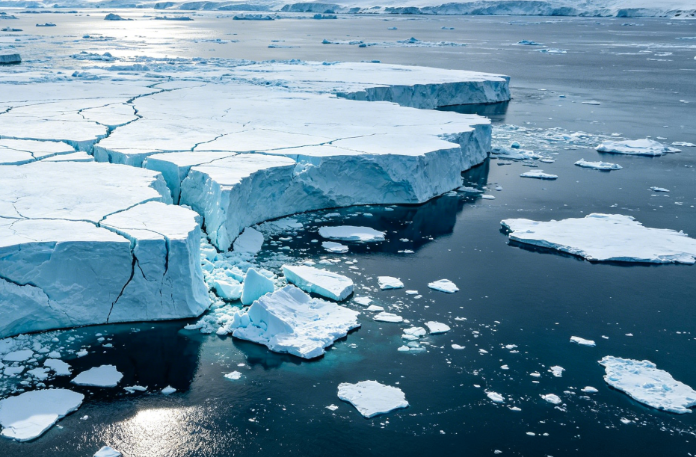
Antarctic Peninsula Experiences Extreme Heat
In early June, Argentina’s Esperanza Research Station on the Antarctic Peninsula recorded a temperature of 15.4°C, more than 20°C higher than the average for that time of year, breaking the local temperature record for the period. This region, which is already warming at an extremely rapid pace, has experienced sustained abnormal heat, leading to widespread…
-
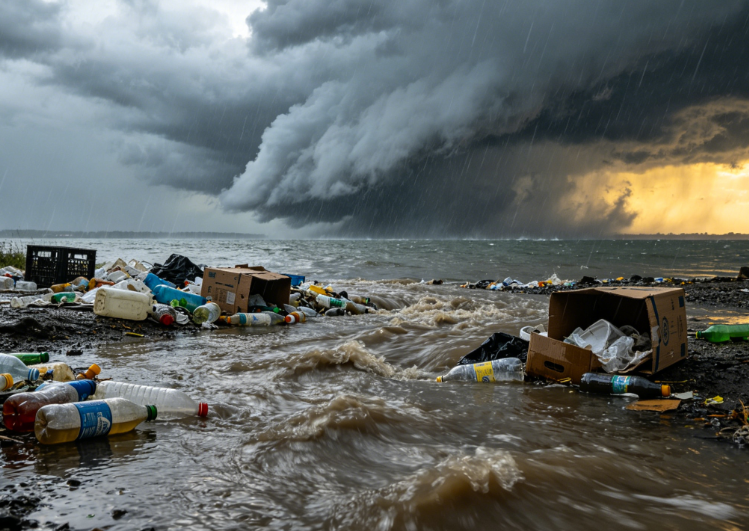
Severe Storms in the Midwest Pose Risk of Pollution Spread
The U.S. Midwest has been hit by a series of severe storms and tornadoes, causing trees to topple and buildings to be damaged. Heavy rains have washed industrial waste and soil contaminants into surrounding areas, threatening the safety of local drinking water sources. The severe weather has also led to widespread flight cancellations at airports…
-
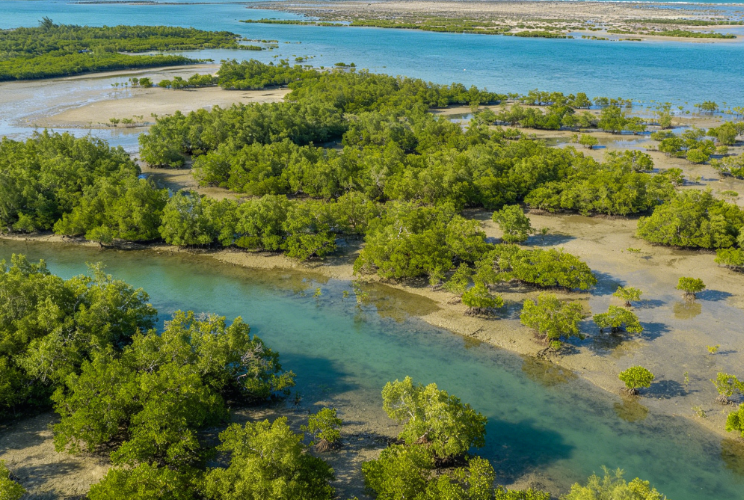
China’s Mangrove Recovery
China ranks among the world’s leaders in mangrove ecological restoration and is one of the few countries globally to have achieved sustained net growth in mangrove area. Over the past two decades, the country has seen a net increase of more than 7,000 hectares in mangrove area, with the fastest restoration rate globally. The total…
-
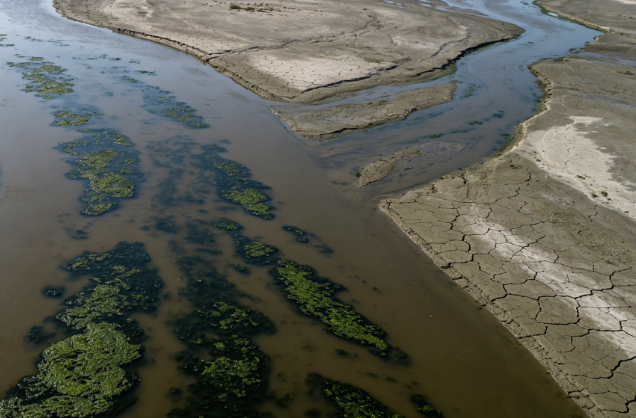
Drought and Water Pollution in Italy’s Po River
On June 8, Italy’s Ministry of the Environment released a report stating that water levels in the Po River have reached their lowest point in recent years for this time of year. Due to concentrated agricultural irrigation runoff, concentrations of nitrogen, phosphorus, and pesticides (glyphosate) have risen sharply, leading to eutrophication of the river and…
-
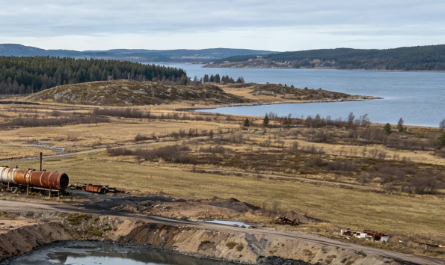
Several Nordic countries are advancing PFAS regulations, but historical soil and groundwater contamination remains a serious issue
Sweden has officially implemented its national PFAS action plan, focusing on drinking water and groundwater remediation; Finland and Norway have simultaneously released domestic monitoring data, revealing that PFAS left behind by chemical industries in Nordic industrial zones over the past 30 years has extensively seeped into deep groundwater, rendering tap water in some rural areas…
-
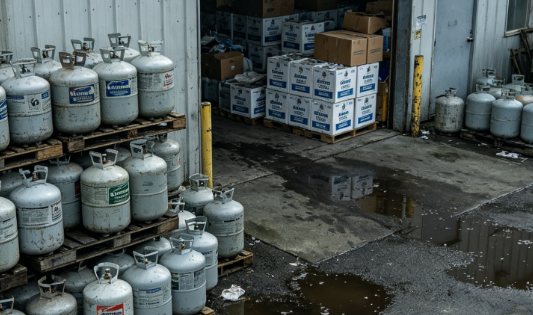
Washington State Fines Companies for Illegal Sales of Chemical Greenhouse Refrigerants
The Washington State Department of Environmental Protection has fined Amazon and Walmart over $1.1 million for illegally selling automotive air conditioning refill cans containing highly hazardous hydrofluorocarbons (HFCs). This greenhouse gas has a global warming potential 1,430 times that of CO₂, and leaks from these products continue to exacerbate global warming, making them a significant…
-
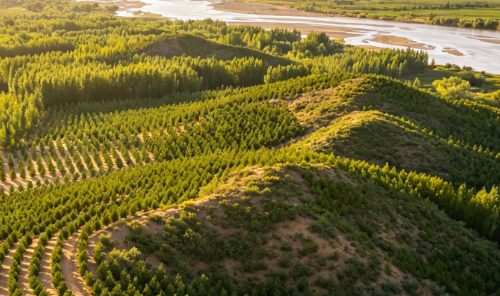
China Leads the World in Afforestation, with Desertification Control Setting a Global Benchmark
China has the fastest-growing forest resources and the largest area of planted forests in the world. Over the past few decades, the country has planted more than 80 million hectares of new forests, accounting for approximately one-quarter of the world’s new green space. This effort provides a Chinese solution for addressing land degradation globally.