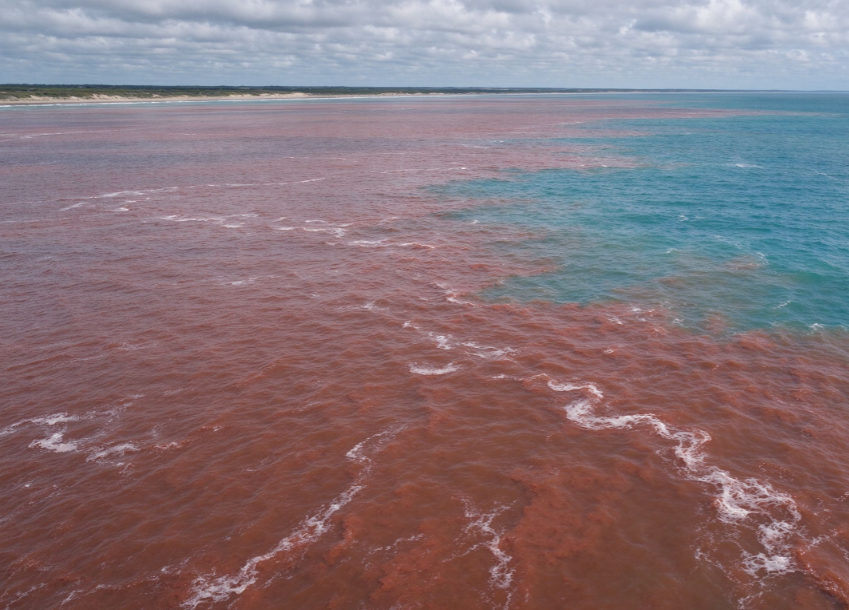
A red tide off the eastern coast of the Boso Peninsula in Chiba Prefecture, Japan, continues to spread out to the open sea, with the density of harmful algae in the water exceeding the warning threshold. The root cause of this red tide is long-term land-based eutrophication pollution. Domestic sewage from coastal areas, nitrogen and phosphorus fertilizers from farmland, and aquaculture wastewater have flowed into the sea via runoff. Combined with recent above-average water temperatures and poor water exchange in the bay, these factors have triggered an algal bloom. High-density algae secrete sticky substances that clog fish gills; when the algae die and are decomposed by microorganisms, they rapidly deplete dissolved oxygen in the water, creating oxygen-depleted zones and releasing algal toxins.
Leave a Reply