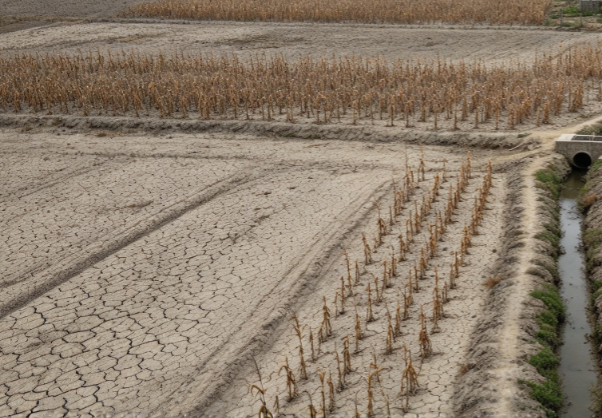
The extreme drought in Honduras continues to worsen. Precipitation during the rainy season—when rainfall is typically expected—has been far below the long-term average. The persistent lack of rain has caused surface moisture to evaporate rapidly, leading to soil compaction and cracking across vast tracts of farmland, forming a vast network of crisscrossing cracks. The staple crops on which the local population depends—such as corn and beans—have suffered from withered root systems due to the persistent water shortage, with plants turning yellow and dying off across vast areas. Many farmlands have experienced severe yield declines, and in some regions, the harvest has been completely lost. The ongoing drought has devastated local agricultural production and directly impacted the region’s food supply.
Leave a Reply