-
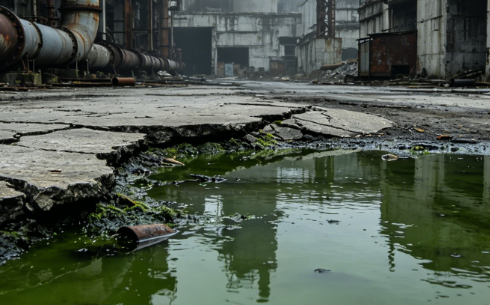
Highly Toxic Groundwater Contamination at a Former Factory in Normandy, France
The village of Dampierre-Saint-Nicolas in the Normandy region went bankrupt in 2014. Due to the factory’s long-term illegal discharge of chlorinated solvents, trichloroethylene concentrations in the groundwater exceeded safe levels by 10 to 100 times, and the pollutants continue to seep into the soil aquifer.
-
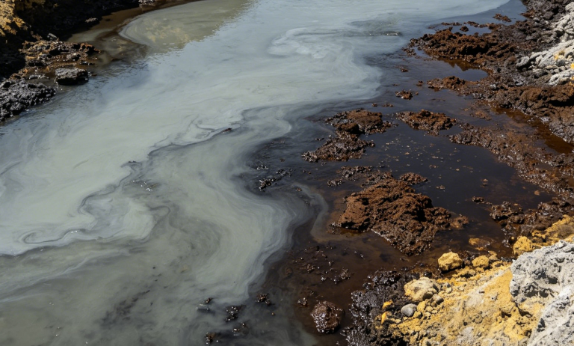
Carcinogenic Contamination of Groundwater in Italy’s Campania Region
A study by the University of Naples has confirmed that groundwater in 14 municipalities in Italy is severely contaminated with trichloroethylene (TCE) and tetrachloroethylene (PCE), both of which are potent carcinogens.
-
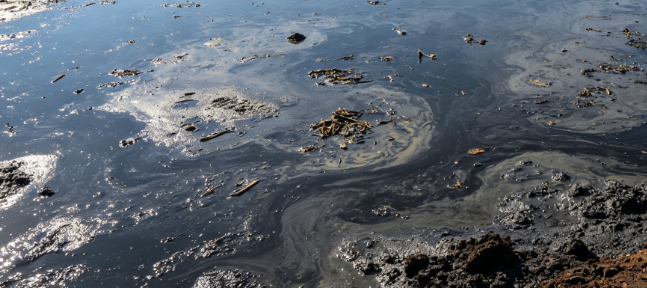
Widespread Groundwater Contamination in the Upper Rhine Region of Germany
On May 12, the “ERMES-ii Rhein” project released the results of a three-year study covering the states of Hesse, Rhineland-Palatinate, and Baden-Württemberg, as well as the French-Swiss border. The findings revealed that 59% of the 1,497 monitoring sites exceeded permissible limits, with contaminants including pesticide residues, pharmaceutical residues, and PFAS.
-
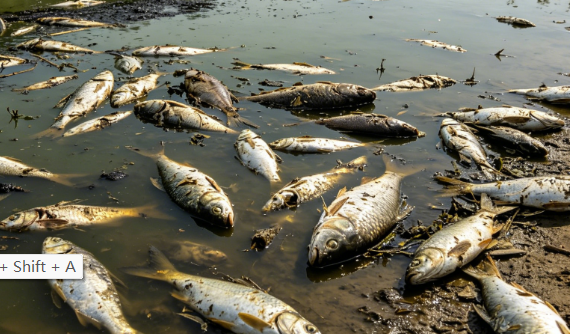
Suspected Industrial Discharge Causes Mass Fish Kill in the Nam Khan River, Vientiane Province, Laos
On May 9, the surface of the Nam Khan River in Vientiane Province’s Vientiane District was covered with a dense layer of dead fish stretching for several kilometers. Preliminary investigations suggest that untreated, high-concentration organic wastewater discharged from upstream factories caused a sharp drop in dissolved oxygen levels and excessive ammonia nitrogen levels in the…
-
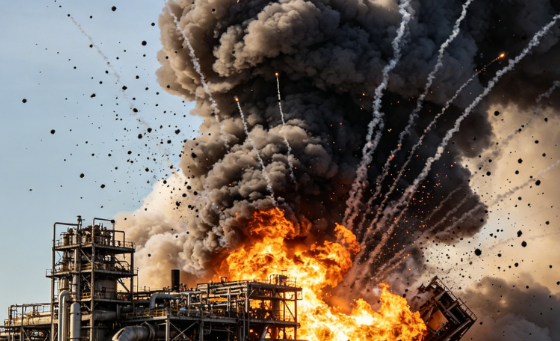
Explosion at the Chalmette Refinery in Louisiana and Air Pollution
On May 8, a violent explosion and fire occurred at the Chalmette Refinery, located approximately 16 kilometers east of New Orleans. Flames and thick smoke shot into the sky, causing nearby buildings to shake noticeably and residential homes to sway. The incident released large amounts of black smoke, volatile organic compounds (VOCs), and sulfur compounds,…
-
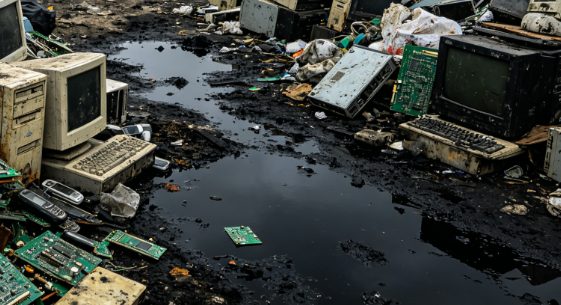
E-Waste Pollution in Malaysia
Since the launch of Operation Green Shield in January 2026, a total of 803 containers of e-waste have been repatriated, with 150 containers to be returned by May 1. Illegal dismantling has led to heavy metal leakage, causing lead and mercury levels in soil and groundwater to exceed safety standards and increasing the risk of…
-
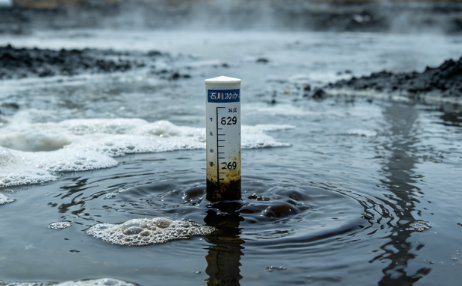
PFAS “Forever Chemicals” Water Pollution in Japan
PFAS levels exceeded standards at 629 water bodies across 26 prefectures in Japan; groundwater in Osaka exceeded the standard by 1,460 times, and groundwater at a factory in Ishikawa Prefecture exceeded the standard by 1,992 times.
-
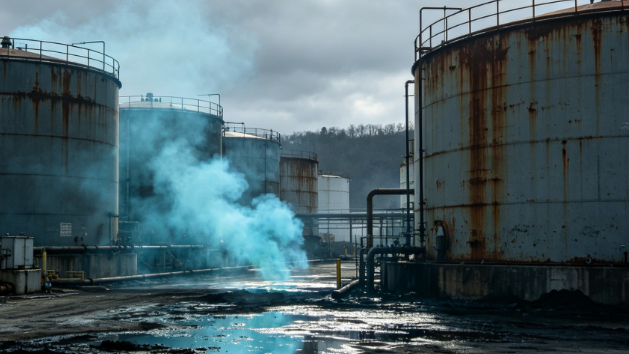
Toxic Gas Leak at West Virginia Chemical Plant
On May 2, cleanup operations at a recycling plant triggered a chemical reaction involving nitric acid and other substances, releasing highly toxic gases such as hydrogen sulfide. The incident resulted in two deaths and 30 injuries. Authorities cordoned off the site, and nearby residents were evacuated. Long-term efforts will be required to address the resulting…
-
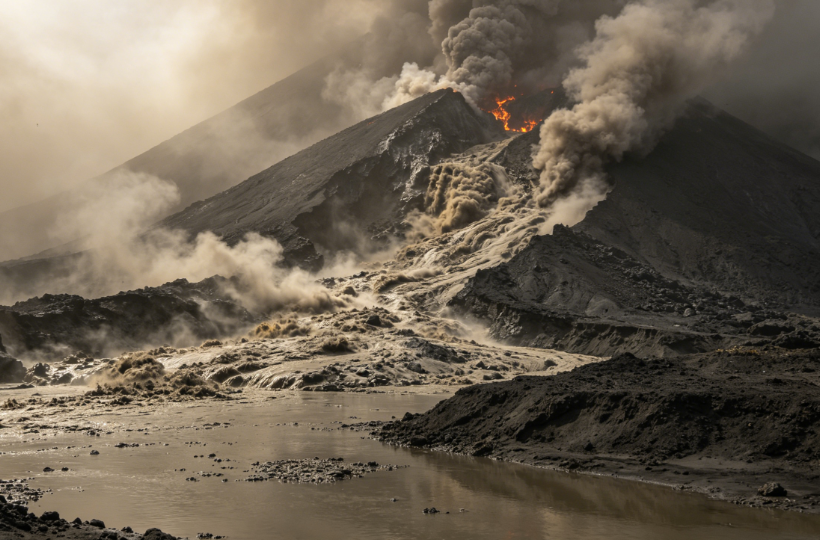
Eruption of Mount Mayon in the Philippines
A lava collapse on the southwest slope of Mount Mayon in the Philippines triggered a pyroclastic flow. The volcano continues to erupt, dispersing large amounts of volcanic ash containing sulfur and heavy metals. The resulting pollution has degraded air, soil, and water quality, leading to respiratory illnesses. Nearly 200,000 people have been affected, over 5,000…
-
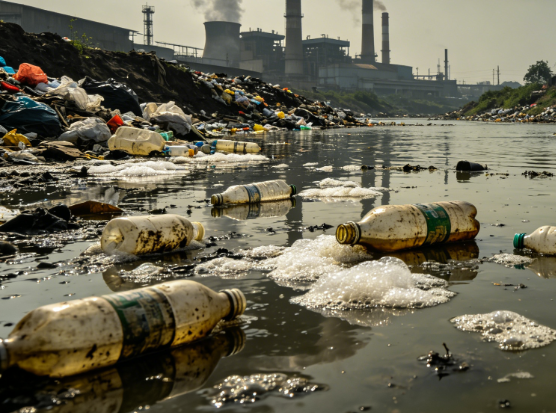
Industrial Waste and Domestic Sewage Pollute Rivers in Indonesia
The pollution crisis along the Ciliwung River in Jakarta, Indonesia, is worsening. Numerous factories along the riverbanks have long been illegally dumping industrial waste containing heavy metals, while nearby residents continue to discharge untreated domestic sewage directly into the river. Monitoring data shows that the river’s heavy metal and microbial levels far exceed safety standards:…