-
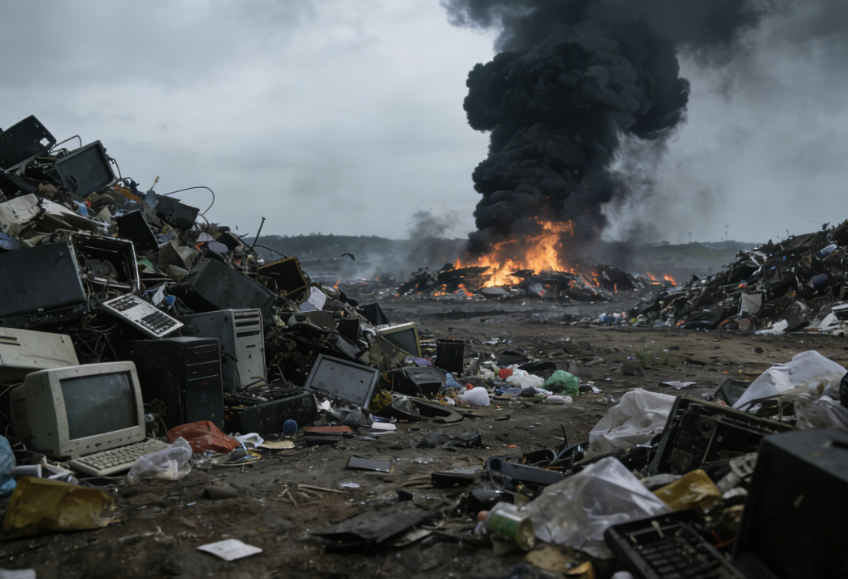
Illegal Toxic Waste Smuggling Runs Rampant
A report by the United Nations Office on Drugs and Crime (UNODC) reveals that the global illegal toxic waste smuggling trade reaches as high as $18 billion annually. Fueled by regulatory loopholes, criminal syndicates, and corruption, the cross-border proliferation of such waste is intensifying, severely damaging the global ecological environment. These toxic wastes include electronic…
-
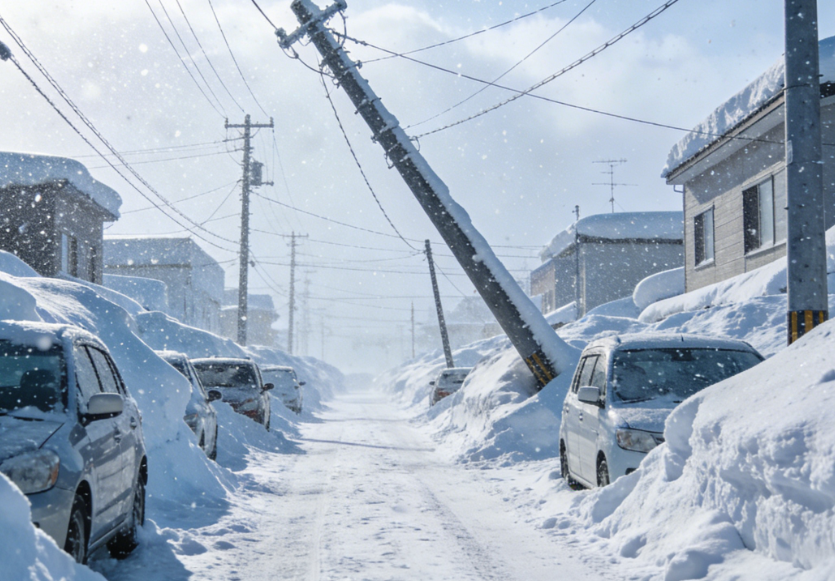
Extreme Blizzard in Japan’s Hokkaido Triggers Secondary Environmental Issues
Hokkaido, Japan, has been struck by an unprecedented blizzard, with snow depths exceeding 2 meters in many areas. This has caused transportation paralysis, stranding tens of thousands of people, and led to failures in power and heating systems. This extreme weather will also bring secondary environmental problems. Once the snowmelt period begins, road de-icing salts,…
-
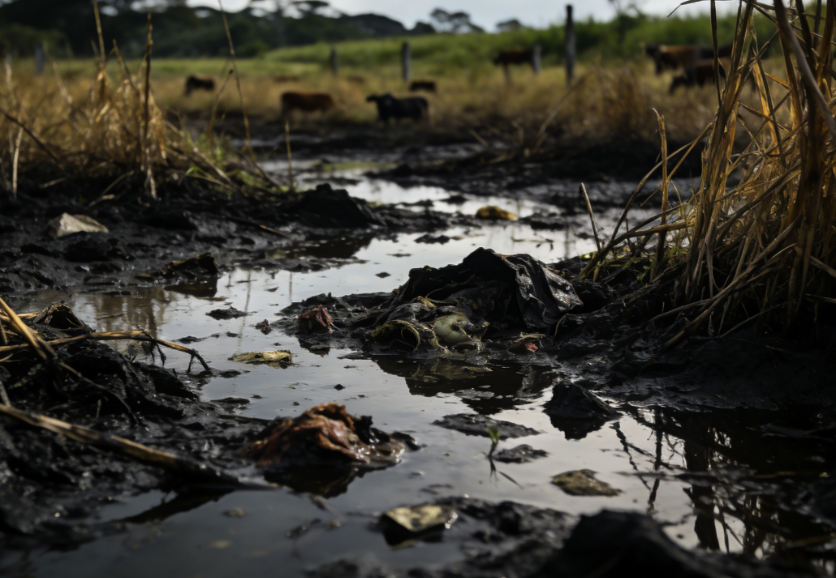
Floods in Colombia Trigger “Toxic Water” Crisis on Ranches
Large swathes of “dead zones” have emerged on ranches in Colombia’s Lower Cauca region following receding floodwaters. These areas tested positive for E. coli, botulinum toxin, pesticide residues, and heavy metals like mercury and lead—representing a combined biological and chemical contamination. The pollution resulted from floodwaters carrying agricultural pollutants and industrial heavy metals, accelerated by…
-
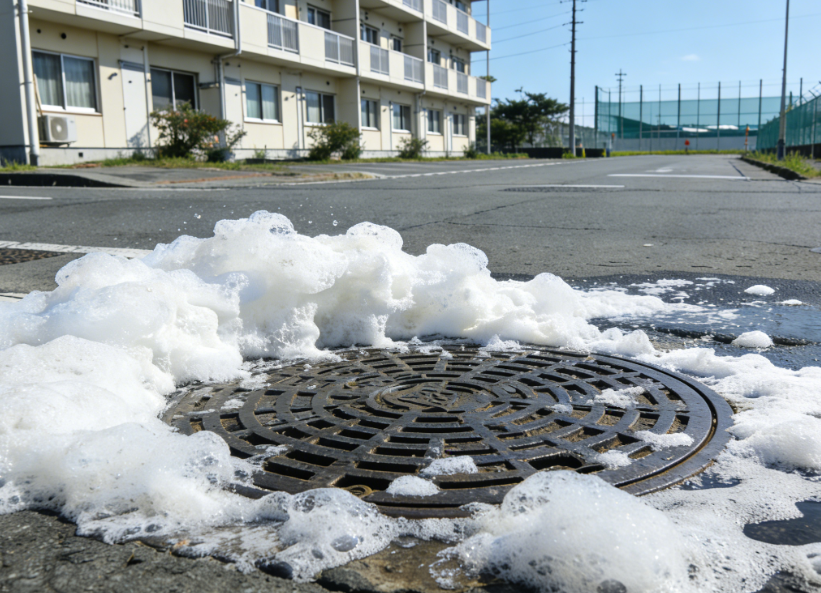
PFAS Contamination Found Near U.S. Military Base
Residents near the U.S. Marine Corps Air Station Futenma in Ginowan City, Okinawa Prefecture, Japan, discovered large amounts of white “toxic foam” spilling from sewer manhole covers in their neighborhood. Professional testing detected high concentrations of perfluoroalkyl and polyfluoroalkyl substances (PFAS) in the foam, reaching 268 nanograms per liter—five times Japan’s provisional national standard. PFAS…
-
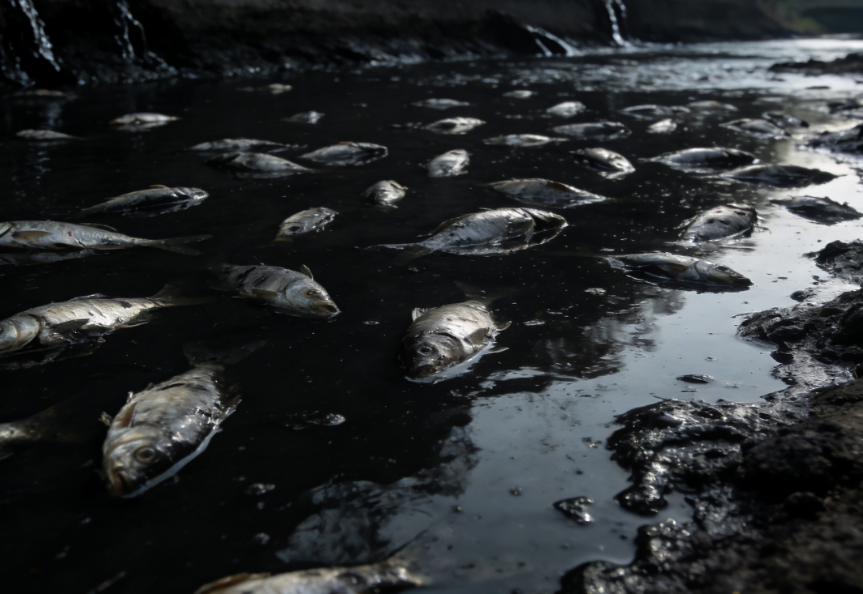
Wastewater Spill in South Africa’s Isipingo River
A massive fish kill has occurred in the Isipingo River and its surrounding estuary area south of Durban, South Africa. Following verification by local municipal authorities and environmental agencies, the direct cause of this incident was a combination of dual infrastructure failures and human sabotage. This led to a continuous influx of large volumes of…
-
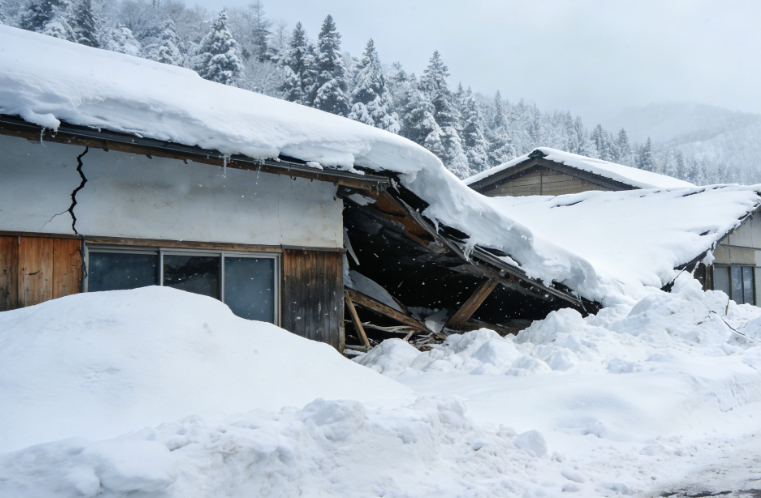
Yamanashi and Nagano Prefectures Hit by Historic Blizzard
On February 3, 2026, Yamanashi and Nagano Prefectures in Japan were hit by record-breaking historic blizzards, resulting in 17 fatalities and 249 injuries. The disaster triggered a chain reaction of problems including collapsed houses, complete transportation paralysis, and power outages. Japan’s meteorological agency indicated that this extreme snowfall may be closely linked to abnormal atmospheric…
-
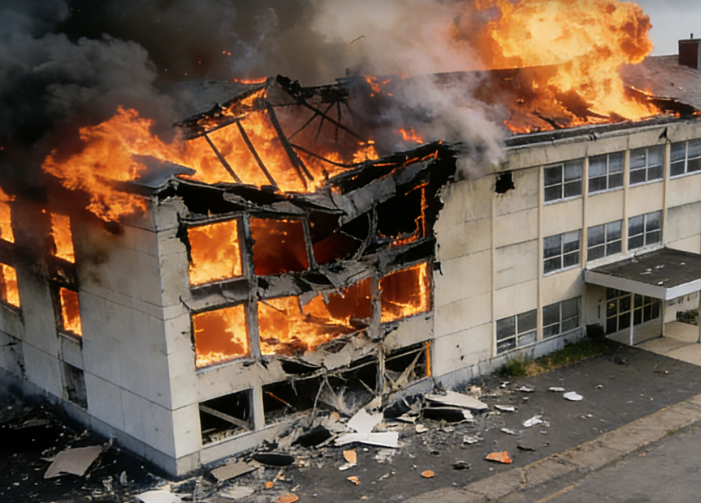
Gas Explosion at Greater Nashua Mental Health Center
On February 2, 2026, a natural gas leak occurred at Greater Nashua Mental Health, located at 440 Amherst Street in Nashua, New Hampshire, USA, subsequently triggering an explosion and fire. Approximately 40 people, including staff and visitors, were inside the building at the time. All individuals were safely evacuated. The explosion caused partial structural collapse.…
-
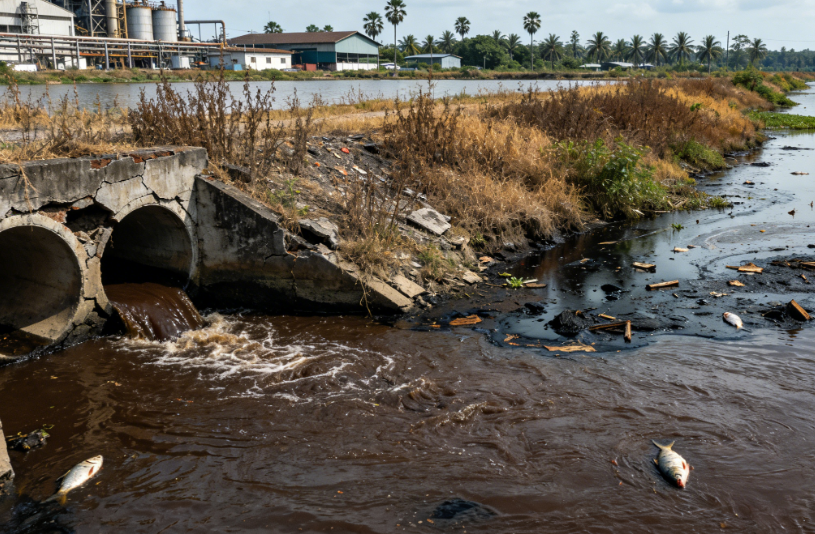
Malaysian Palm Oil Mill Pollutes River
A palm oil processing plant in Layang Layang, Kluang District, Johor, Malaysia, discharged large volumes of untreated production wastewater directly into a tributary of the Johor River due to a damaged sewage channel. This caused ecological pollution in the river and threatened the water safety of downstream residents. Local environmental authorities have ordered the plant…
-
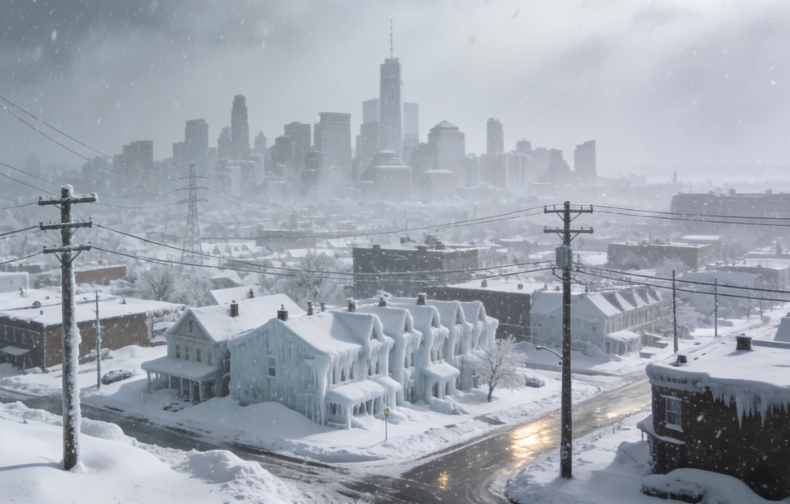
The Strongest Blizzard in the U.S. in Nearly 40 Years
Twenty-two U.S. states have declared states of emergency, covering two-thirds of the country and affecting 204 million people (approximately 61% of the U.S. population). Twelve deaths have been reported (nine from extreme cold), over 1.07 million households are without power, and more than 13,000 flights have been canceled. Minnesota plummeted to -46°C (-43°F), with wind…
-
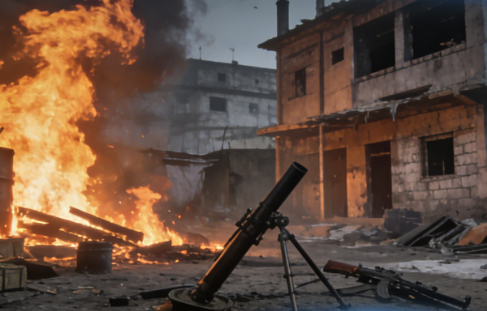
Food, Water, and Medical Supplies Cut Off: Haiti Deep in Survival Crisis
The United Nations has issued a warning that Haitian gangs continue to expand their control, with escalating violence disrupting the supply of basic survival necessities such as food, water, and medical care. Over one million people have been displaced, and nearly 40% of the population faces severe food shortages. The basic survival rights of citizens…