-
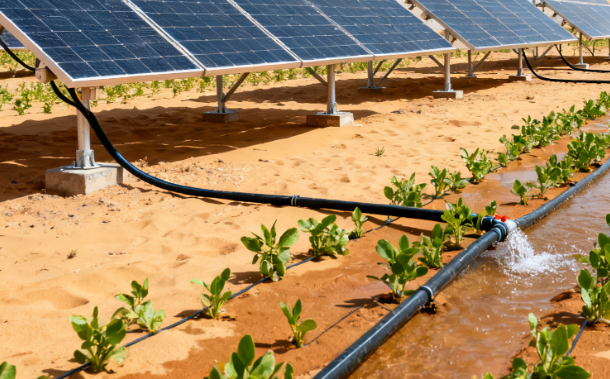
Transnational Collaboration for Ecological Conservation in the Yellow River Basin
—
China has shared desertification control expertise—including drip irrigation technology and photovoltaic water pumping systems—with countries such as Uzbekistan and Kazakhstan. A demonstration project in Mauritania, located at the edge of the Sahara Desert, employs a “technology + training” model to equip local youth with grid-laying techniques for sand stabilization. Recognized by the United Nations Environment…
-
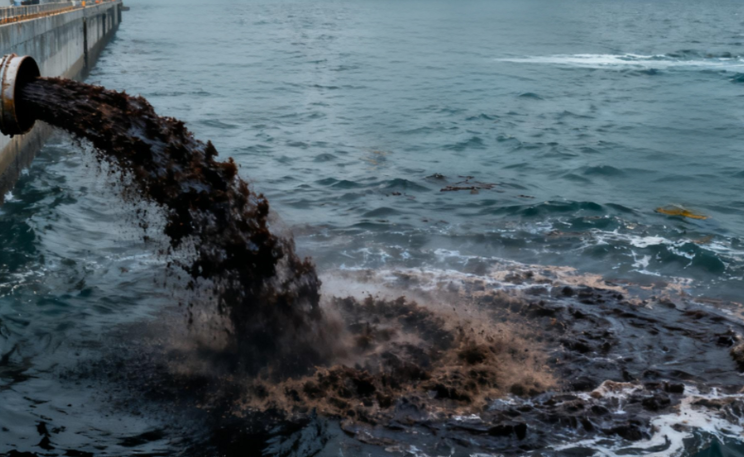
Japan’s Nuclear Wastewater Ocean Discharge Data Credibility Crisis Escalates
—
Chiyoda Corporation, a partner of Tokyo Electric Power Company (TEPCO), has been exposed for falsifying compliance certificates for 3,615 radiation detection devices since 2022. Among these, 199 critical instruments used to monitor nuclear wastewater discharge—such as the Hitachi Aloka R-1000 detector—had their calibration data tampered with. This manipulation could lead to contaminated wastewater exceeding safety…
-
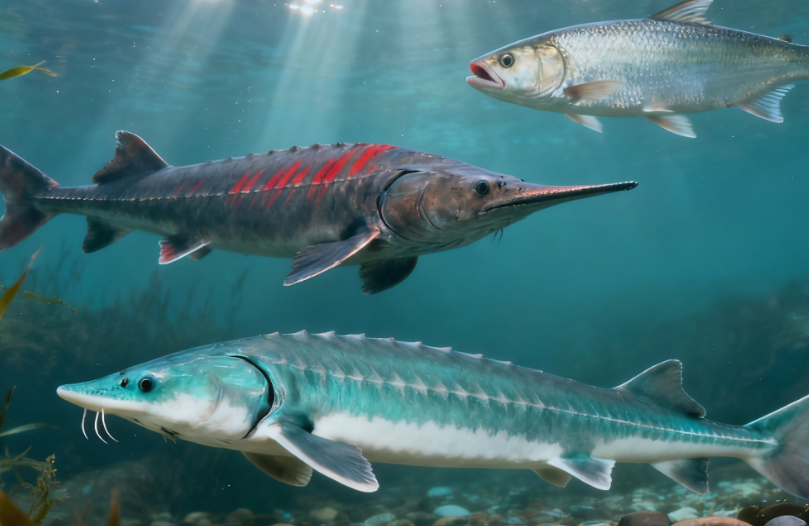
The Yangtze River’s Decade-Long Fishing Ban Shows Significant Results in Its Fifth Year
—
Unit resource abundance at monitoring points along the Yangtze River mainstem increased by 9.5% year-on-year, with fish species diversity rising by 67 varieties compared to pre-ban levels. Rare species such as Yangtze sturgeon and Chinese paddlefish have reappeared. Chongqing has installed over 1,200 smart surveillance cameras through its “Yangtze River Fisheries Management” digital platform, leading…
-
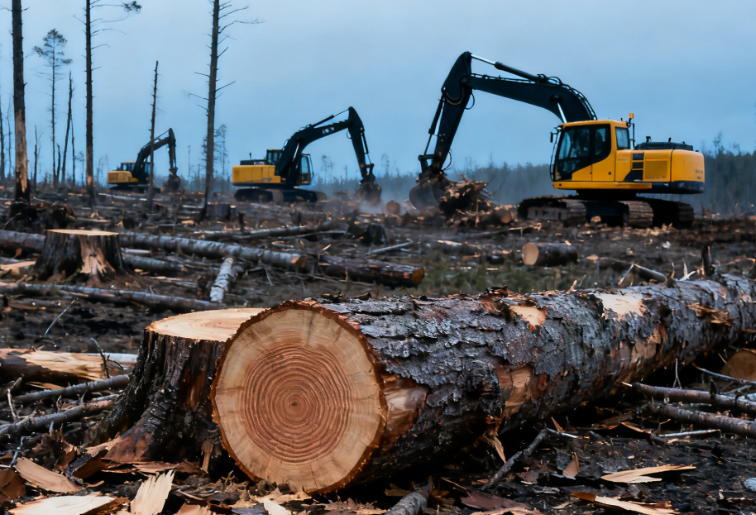
Global Climate Action Sounds Red Alert
—
The 2025 State of Climate Action assessment reveals that all 45 key climate indicators are “off track.” Public funding for fossil fuels reached $1.5 trillion in 2023, while deforestation continues at a rate equivalent to losing 22 football fields of forest every minute. Coal power phase-out must accelerate tenfold, while the annual climate finance gap…
-
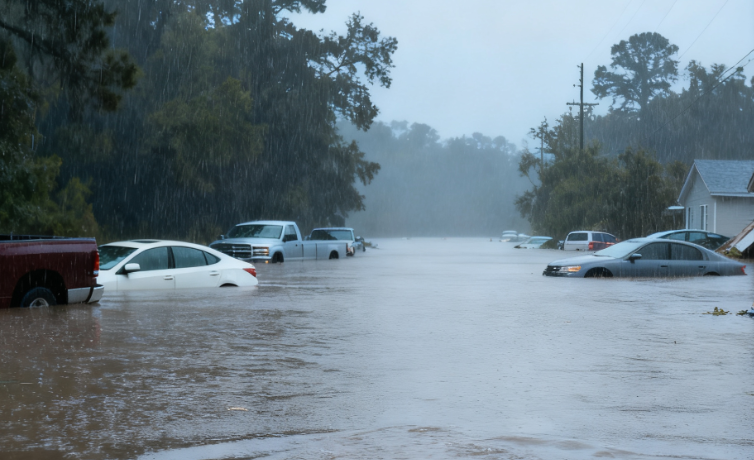
Heavy Rain and Flooding in Southern U.S. and Argentina
—
Tropical Storm Melissa struck the Caribbean region, bringing torrential rains to the southern United States and eastern Argentina. Localized rainfall exceeded 100 millimeters, triggering river overflows and urban flooding. The U.S. National Weather Service warned that the Mississippi River basin could experience flood levels above warning thresholds, threatening agriculture and infrastructure along its banks.
-
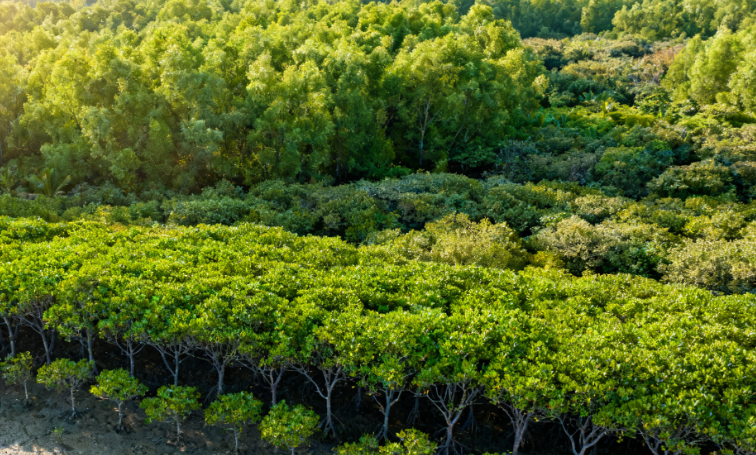
Hainan Launches International Cooperation for Coastal Ecological Restoration Project
—
On October 28, China’s Hainan Province initiated a coastal ecological conservation and restoration project with a total investment of 488 million yuan. The initiative covers an area of 191,900 mu (approximately 12,793 hectares) across cities and counties including Wenchang and Haikou. The project focuses on restoring mangrove forests, primary forest belts, and inland protective forests…
-
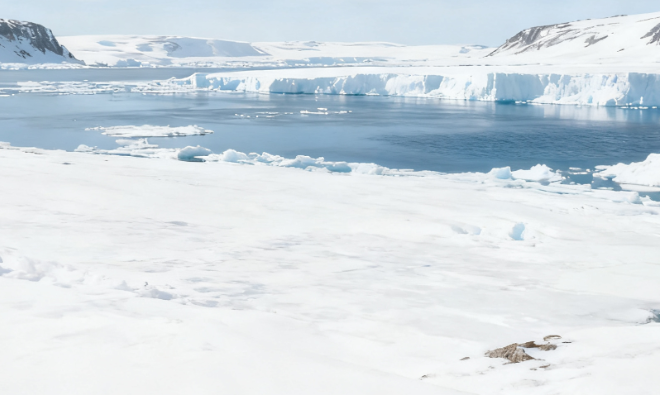
Greenland Ice Sheet Melting Threatens European Food Security
—
In 2025, Greenland’s ice sheet lost 6 billion tons of ice in a single day. The influx of freshwater into the North Atlantic weakened the ocean conveyor belt circulation. Climate models indicate that if this circulation collapses, European winter temperatures could drop by 3-5°C, exposing major grain-producing regions like Germany and France to frost disasters.…
-
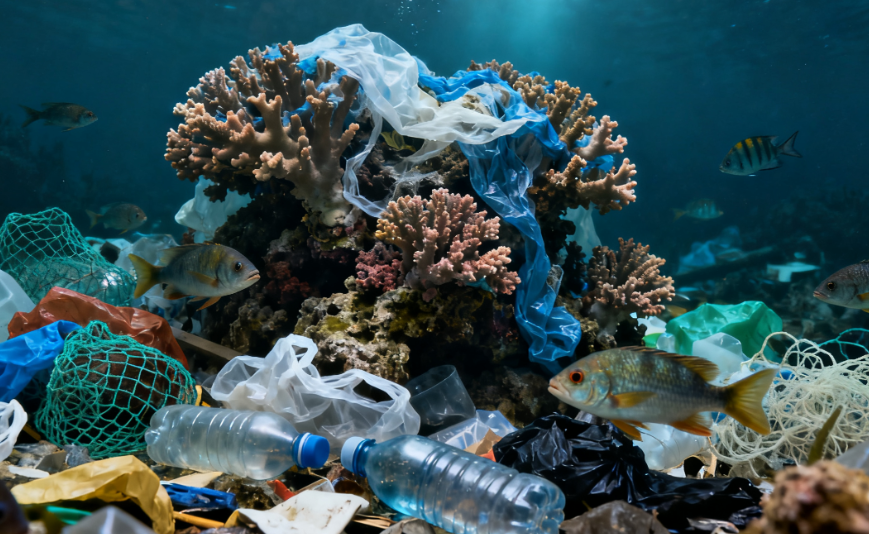
Global Plastic Pollution Negotiations Hit Impasse
—
The United Nations Intergovernmental Negotiating Committee on Plastic Pollution convened in Geneva to draft a legally binding global treaty, but negotiations collapsed once again due to opposition from oil-producing nations like the United States and Saudi Arabia against restricting plastic production. UN Environment Programme Executive Director Inger Andersen warned that without action, global plastic output…
-
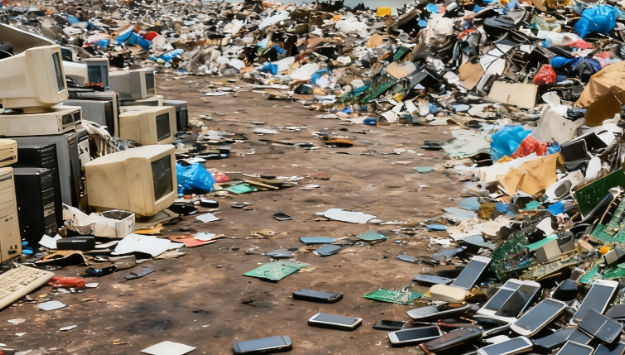
U.S. E-Waste “Invisible Tsunami” Hits Southeast Asia
—
The environmental watchdog Basel Action Network (BAN) has released a report exposing that the United States illegally exports millions of tons of electronic waste to Southeast Asia annually, with most shipments destined for countries like Indonesia and Vietnam that lack safe disposal capabilities. These electronic wastes are often disguised as “recyclables” or “raw materials,” yet…
-
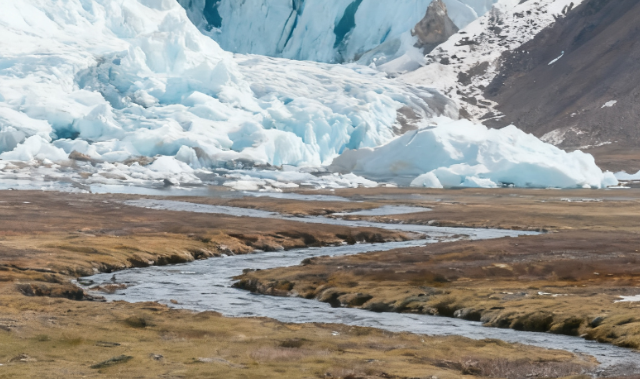
Accelerated Thawing of Arctic Permafrost Releases Viruses and Greenhouse Gases
—
On October 21, scientists discovered in an Alaskan permafrost tunnel that microbial communities from 40,000 years ago rapidly formed biofilms upon reactivation, with some viruses retaining infectious properties. The Arctic is warming at four times the global average rate. Thawing permafrost has already released significant amounts of methane and carbon dioxide. In the summer of…