-
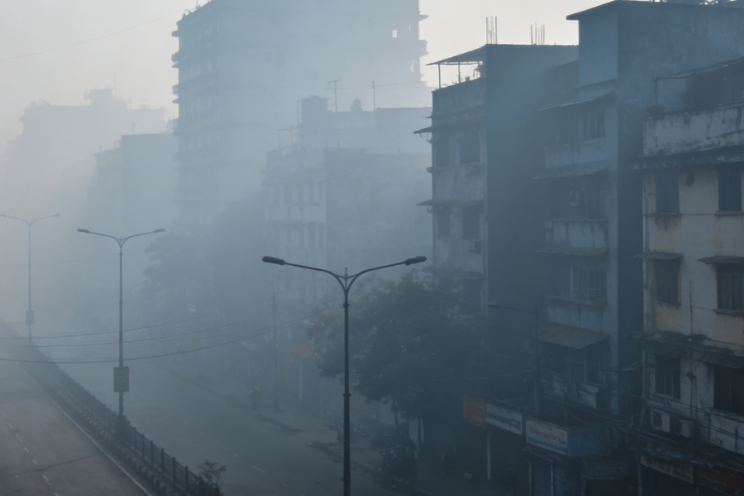
Severe Air Pollution Hits Multiple Indian Cities
On March 3, 2026, air quality deteriorated sharply in several Indian cities including Mumbai, New Delhi, and Kolkata, with Air Quality Index (AQI) readings widely exceeding 300 and reaching hazardous levels in some areas. Primarily driven by industrial emissions, vehicle exhaust, and biomass burning, coupled with unfavorable meteorological conditions hindering pollutant dispersion, the situation poses…
-
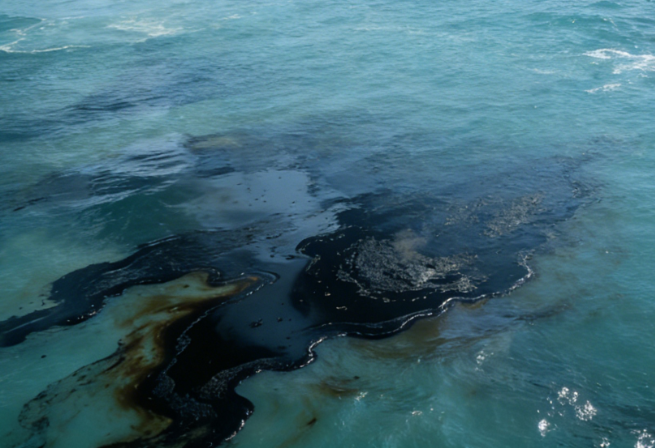
Attack on Oil Tankers in the Strait of Hormuz
From March 1 to 3, 2026, multiple tanker attacks occurred consecutively in the Strait of Hormuz and surrounding waters. Several tankers caught fire and sank, bringing shipping through the strait to a virtual standstill. Significant risks of fuel oil and gasoline leaks loomed large. Should these substances spread, they would cause major pollution and damage…
-
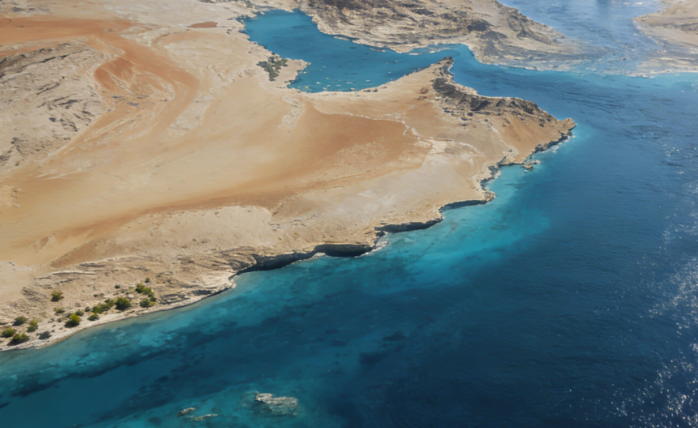
Middle East Conflict Sparks Global Energy Crisis
Iran’s announcement to block the Strait of Hormuz has disrupted approximately 20% of the world’s oil and liquefied natural gas shipments, causing oil prices to surge dramatically. This has directly driven up costs for fertilizers and chemical products while fueling global inflation, creating a chain reaction of energy-food-environment crises. Meanwhile, shipping reroutes have exacerbated carbon…
-
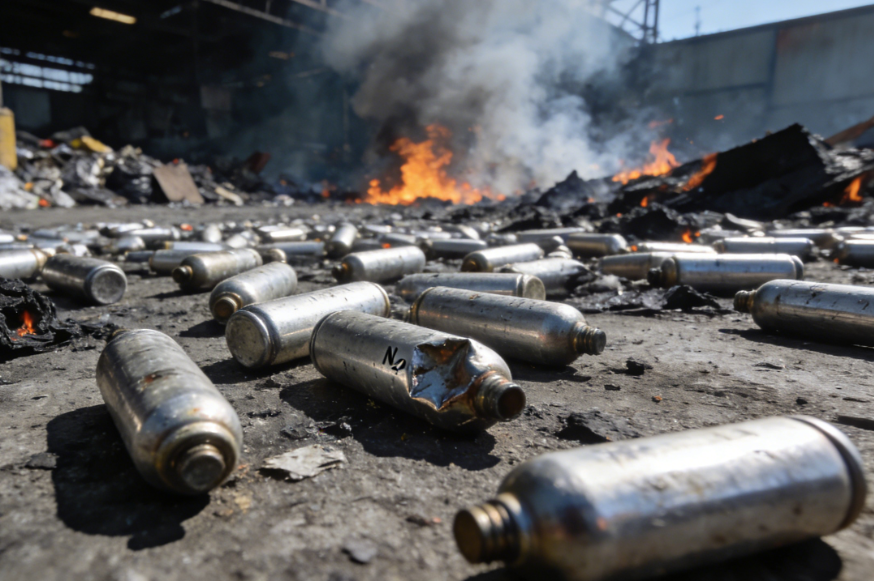
Explosion and Pollution Incident Involving Disposable Nitrous Oxide Cylinders in Vancouver, Canada
In Vancouver, Canada, large quantities of disposable nitrous oxide (N₂O) canisters have been carelessly discarded into household waste, leading to frequent explosions at waste incineration plants. As a potent greenhouse gas, these explosions not only release pollutants and exacerbate the greenhouse effect but also damage equipment, threaten worker safety, and significantly increase waste disposal costs.…
-
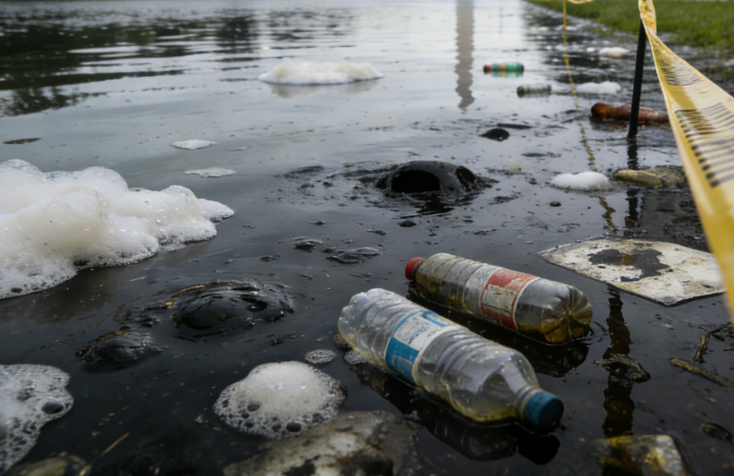
Washington, D.C. Declares State of Emergency Over Water Contamination
Recently, a sewage pipeline rupture in Maryland, U.S., caused approximately 900 million liters of untreated sewage to flow into the Potomac River—Washington, D.C.’s primary drinking water source—resulting in severe water contamination. The mayor of Washington, D.C. has declared a state of emergency and requested federal assistance. This incident not only threatens local water supply safety…
-

Microplastic Pollution Invades Polar Forest Food Chain
Global environmental monitoring confirms that microplastics have entered the food chain of Belgica antarctica, Antarctica’s only native insect. This discovery indicates that plastic pollution has penetrated the planet’s most remote forests and polar ecosystems through atmospheric and oceanic circulation. It poses unknown risks to species higher up the food chain and human health, while also…
-
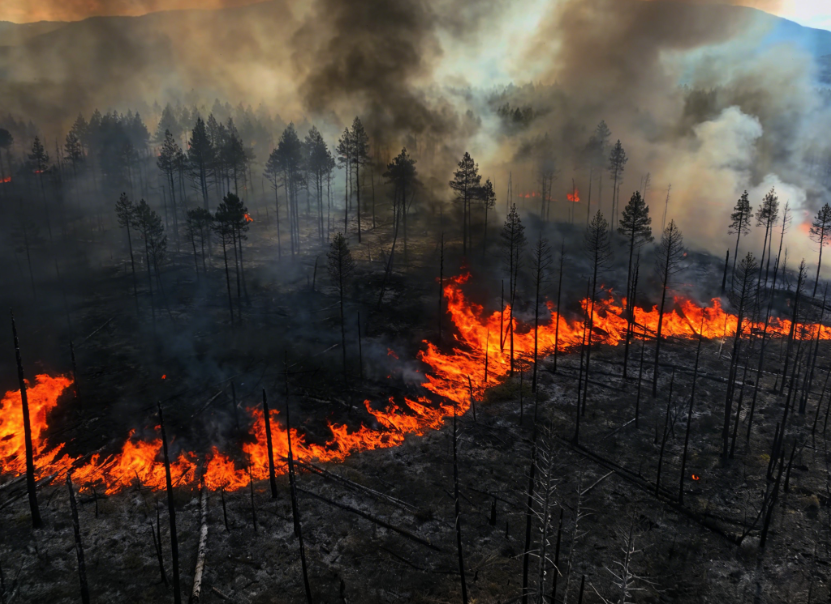
Massive Wildfire in Argentina’s National Park
Los Ataque National Park in Patagonia, Argentina (a UNESCO World Heritage Site), has experienced its most severe wildfire in decades, with over 45,000 hectares burned as of the day of reporting. This disaster stems from the combined effects of the Milei administration’s drastic cuts to firefighting and park management budgets (the National Fire Service’s budget…
-
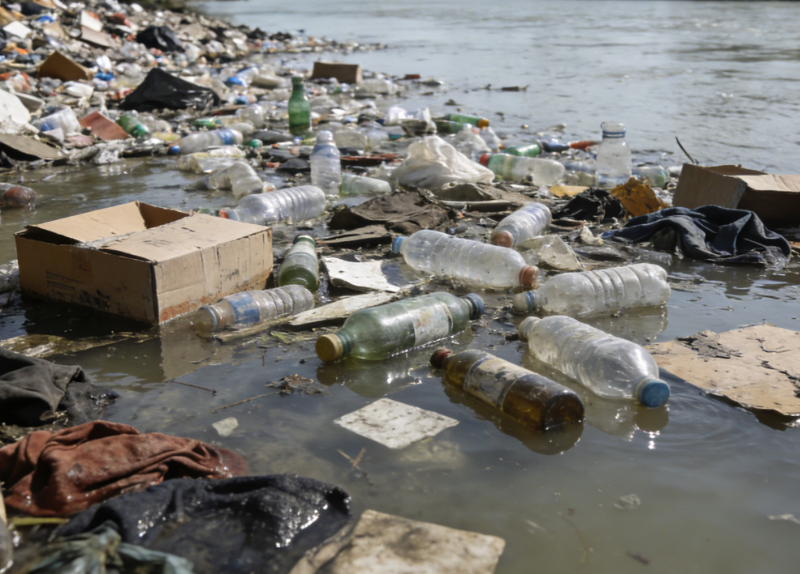
Bosnia’s Drina River Hit by Three-Nation Garbage Pollution Disaster
The Drina River in Bosnia and Herzegovina is suffering from severe garbage pollution, with tons of waste covering its surface and creating a new ecological disaster zone in Europe. This waste originates from illegal landfills in upstream Bosnia and Herzegovina, Serbia, and Montenegro. Flowing through multiple tributaries into the main Drina River channel, it not…
-
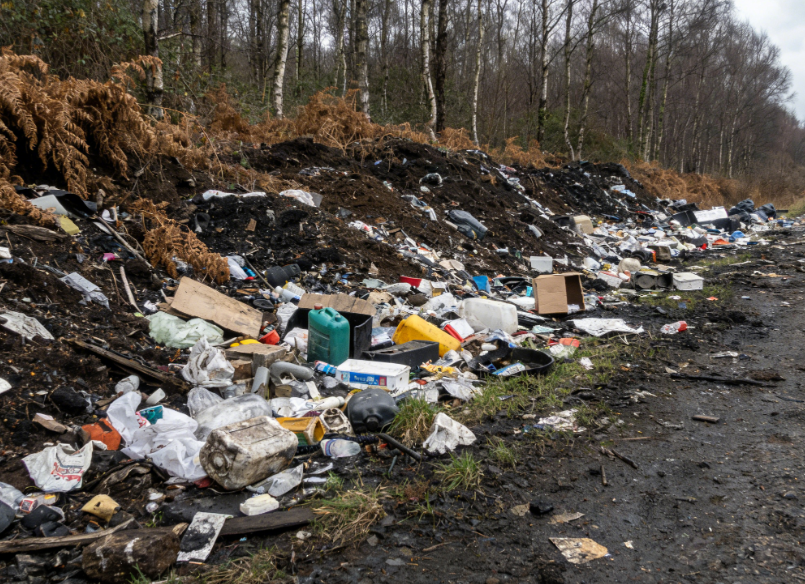
Illegal Dumping Surges in Angus, UK
Illegal dumping incidents in Angus, UK, have continued to surge, with 68 such cases recorded in January 2026 alone. This follows an upward trend throughout 2025, which saw over 750 incidents. Waste is being dumped indiscriminately in scenic areas, along roadsides, and in woodlands. This not only pollutes local soil and water sources, damaging the…
-
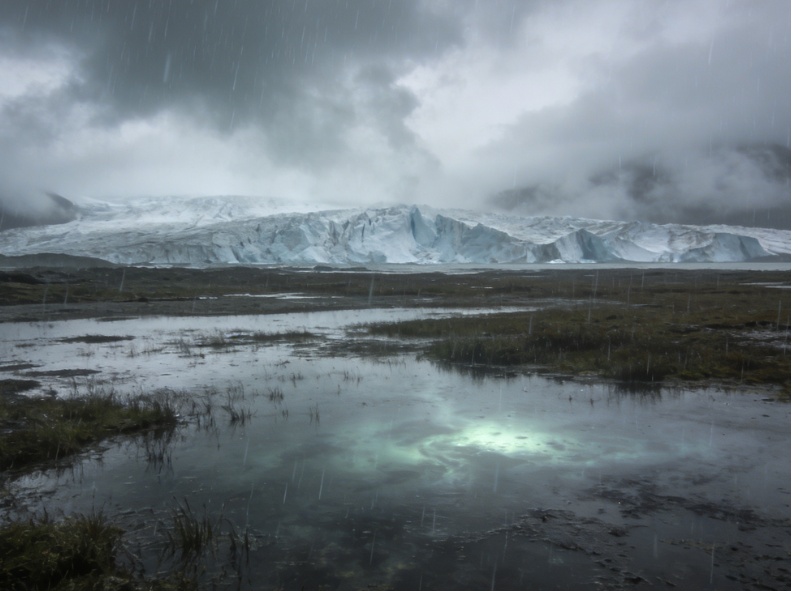
Global Spread of “Invisible Chemical Rain”
ScienceDaily reports that trifluoroacetic acid (TFA), a degradation product of fluorinated industrial chemicals originally developed to replace ozone-depleting substances, is causing widespread “invisible chemical rain” pollution worldwide. TFA is a persistent chemical that resists natural degradation. It permeates global water bodies, soils, and glaciers through rainfall, snowfall, and other precipitation, with detection confirmed even in…