-
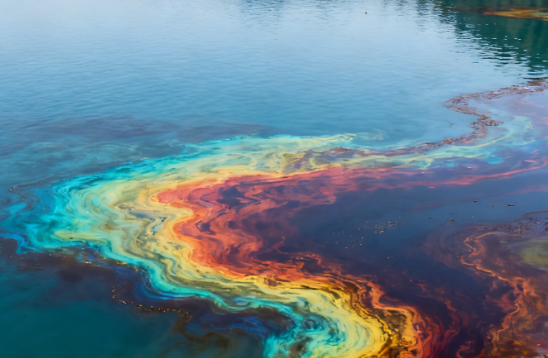
Swiss Military Drills Trigger Ecological Disaster
—
During military exercises near Lake Lucerne (Lake Lucerne), approximately 100 liters of fuel leaked into the lake, forming a large oil slick that threatens the surrounding aquatic ecosystem. Environmental organizations strongly condemned the military for its “lack of environmental awareness,” demanding a thorough investigation and compensation for damages.
-
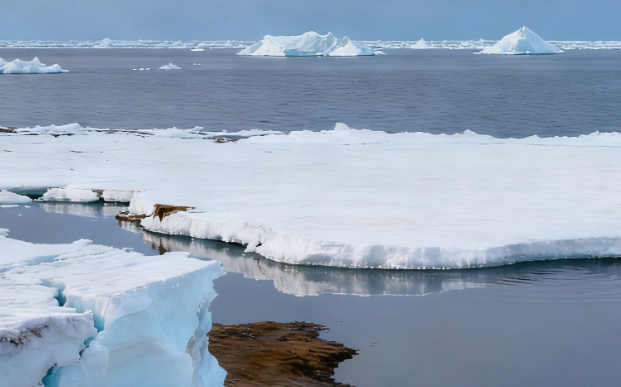
Accelerated Thawing of Arctic Permafrost
—
The latest research in November indicates that Arctic permafrost is thawing at an accelerated rate, releasing toxic substances like mercury and prehistoric viruses that have been sealed for tens of thousands of years (a 2024 scientific expedition successfully revived 13 prehistoric viruses from permafrost 2 meters deep). Cracks in Greenland’s ice sheet have significantly increased…
-
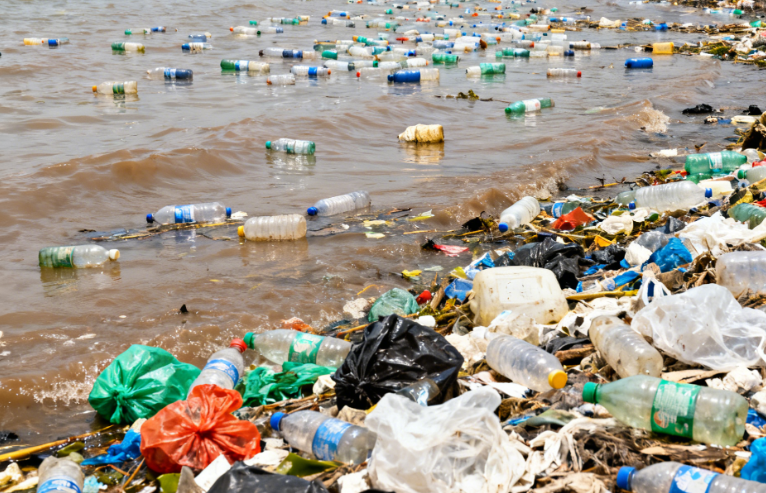
New Hotspot of Global Plastic Pollution
—
On November 19, Lake Victoria—Africa’s largest lake (covering 69,000 square kilometers and sustaining 47 million people)—was reported to be “suffocating” under plastic waste. Plastic waste stretches for kilometers along the shoreline, with scientists warning that pollution threatens regional food security and water sources. Uganda, Kenya, and Tanzania are seeking international assistance to jointly tackle this…
-
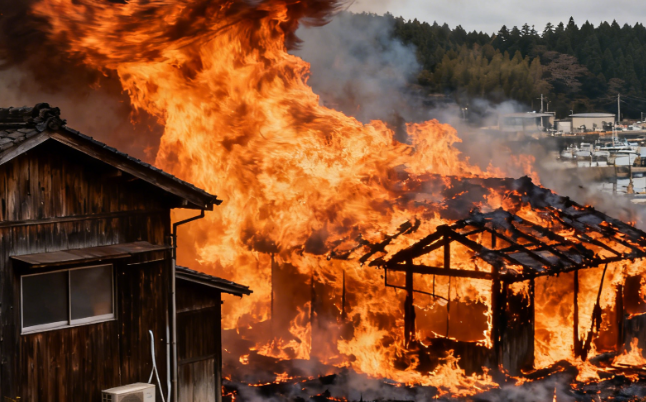
Major Fire in Saiki City, Oita Prefecture, Japan
—
On November 18, 2025, local time, a residential building in the Sagakane district of Saiki City, Oita Prefecture, Japan, caught fire. Strong winds fueled the blaze, forming a “fire tornado.” Due to the dense concentration of wooden structures in the area, the fire rapidly spread to shops, the fishing port, forests, and nearby uninhabited islands.…
-
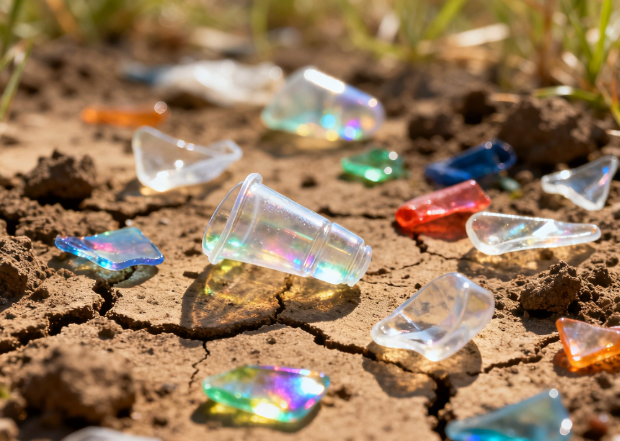
Multiple Chinese Regions Advance Upgraded Plastic Ban Measures
—
The Department of Ecology and Environment, Department of Industry and Information Technology, and six other departments in Ningxia Hui Autonomous Region jointly released the “Supplementary List of Key Controlled New Pollutants in Ningxia Hui Autonomous Region (2025 Edition).” For the first time, microplastics have been formally included as a key controlled substance, with six specific…
-
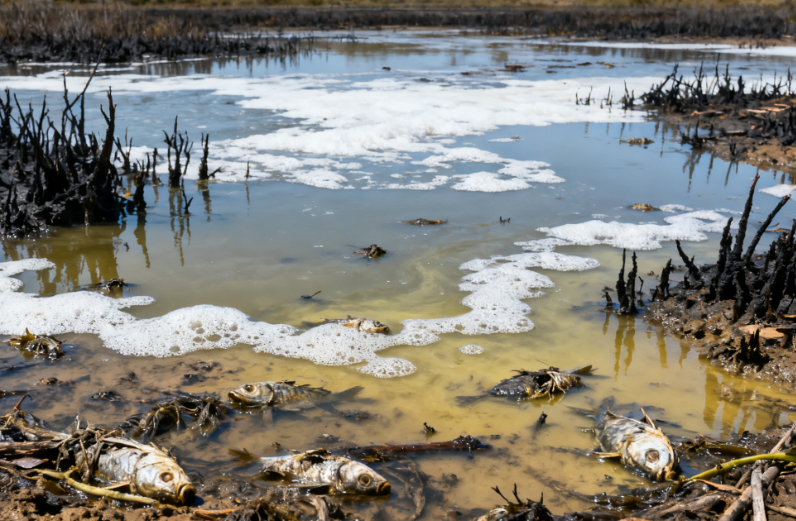
African Wetlands Face “Acid Rain” Crisis
—
The Florentijn Estuary in South Africa, an internationally significant wetland, has recorded its first instance of pH levels dropping below 4—a “catastrophic acidification event.” This has led to a 67% decline in benthic biodiversity and the loss of the wetland’s carbon sink function. Scientists warn this will trigger a chain reaction of ecological disasters and…
-
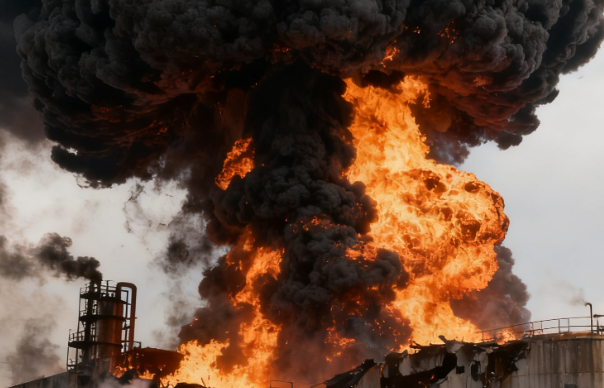
Chemical Plant Explosion in Argentina Releases Toxic Cloud
—
A chemical plant in Ezeiza, Buenos Aires Province, suffered a massive explosion triggered by a plane crash, releasing a toxic cloud. Authorities issued a “red health alert,” instructing nearby residents to keep doors and windows tightly closed and wear masks. The incident has injured 24 people, ignited fires at six factories, and caused the contaminated…
-
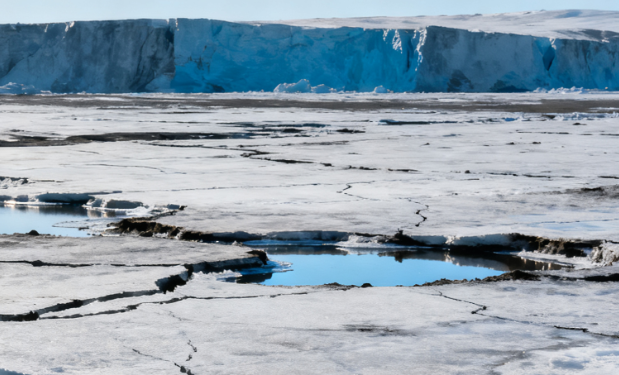
Arctic Warming Accelerates
—
A United Nations Environment Programme report indicates that Arctic permafrost has shrunk by 18% compared to the 20th century, with thawing depths increasing by an average of 0.15 meters annually. Each cubic meter of thawed permafrost releases 3.2kg of CO₂ and 0.8kg of CH₄, exacerbating climate warming. Arctic species like polar bears face severe mercury…
-
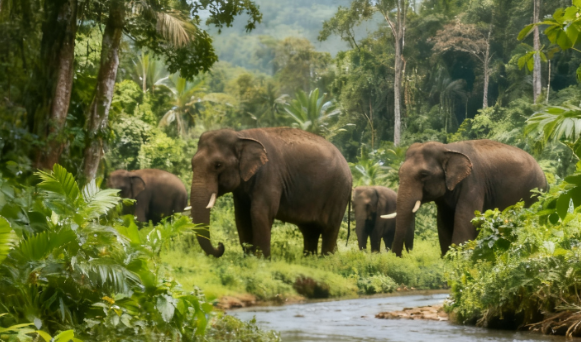
Cross-Border Collaboration in Biodiversity Conservation
—
China and ASEAN countries launched the “Cross-Border Biodiversity Monitoring Network” during COP30, planning to establish 10 joint monitoring stations in the Lancang-Mekong River Basin to protect endangered species such as Asian elephants and green peacocks. By November 2025, the China-Laos cross-border elephant habitat corridor had restored 5,000 hectares of vegetation, with the Asian elephant population…
-
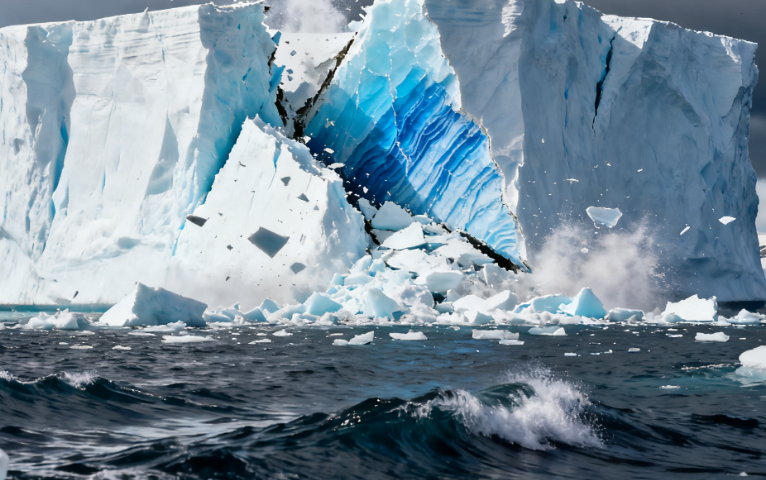
Antarctic Iceberg Collapse
—
Antarctic iceberg A23a, once equivalent in size to four Hong Kongs, has shrunk to less than 1,800 square kilometers, losing tens of thousands of tons of ice daily. Scientists warn its disintegration signals declining stability of the Antarctic ice sheet, with its complete melting projected to raise global sea levels by 58 meters. Monitoring by…