-
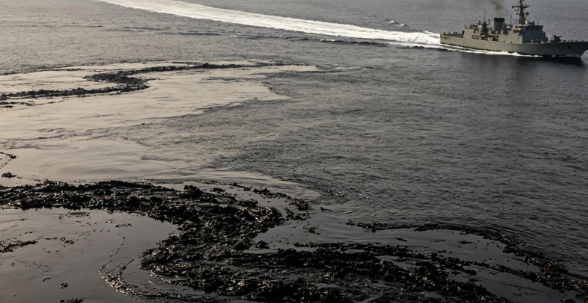
Military Conflict in the Persian Gulf Triggers Oil Spills
From April 20 to 22, military strikes on oil storage facilities and vessels in the areas around Lavan Island and Shidvar Island in the Persian Gulf caused multiple crude oil spills. Satellite imagery shows extensive oil slicks, which have severely polluted coral reefs, mangrove forests, and seabird habitats, threatening fisheries and drinking water safety.
-
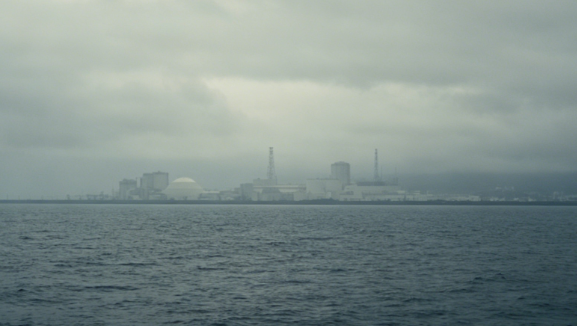
19th Discharge of Radioactive Water from Fukushima, Japan, Completed
On April 20, Tokyo Electric Power Company (TEPCO) discharged 7,800 tons of radioactive water into the Pacific Ocean (the first round of fiscal year 2026 and the 19th discharge overall). This batch primarily contained radioactive nuclides such as tritium (1.9 trillion becquerels), strontium-90, and carbon-14. It is estimated that the contamination will cover half of…
-
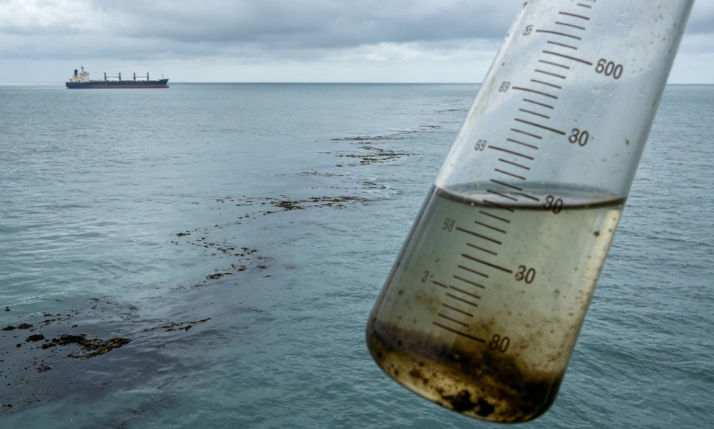
EEA Study Finds PFAS Levels in the English Channel Exceed Safety Limits
On April 20, a study by the European Environment Agency (EEA) found that PFAS concentrations in seawater, fish, and shellfish in the North Sea and the English Channel exceeded safety limits by 30 to 80 times. The study attributes the pollution to the long-term accumulation of industrial emissions, firefighting foam, and municipal wastewater, which is…
-
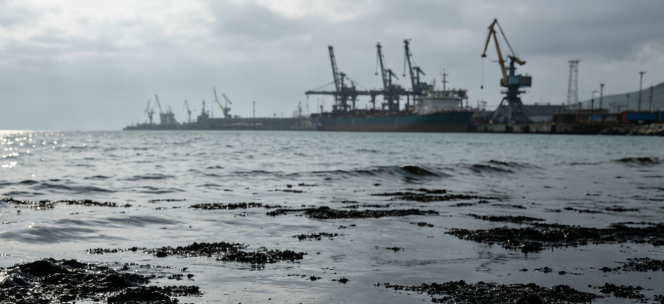
Oil Spill at Tuapse Port
On April 20, a Ukrainian drone strike caused an oil slick to appear in the waters near the Russian port of Tuapse (on the Black Sea coast), covering an area of approximately 10,000 square meters. Russian authorities have deployed oil booms, and six vessels are currently involved in the cleanup efforts.
-
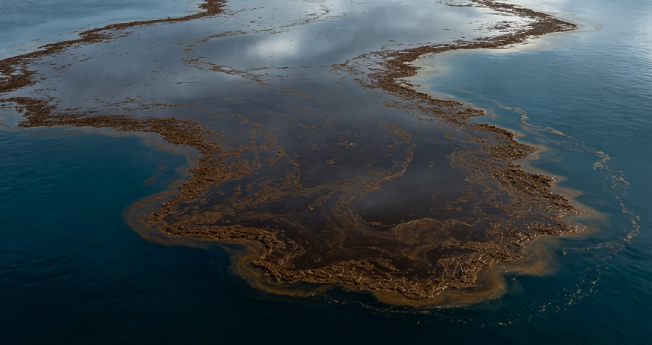
Unidentified Oil Slick Discovered in Valdez, Alaska
On April 15, an oil slick of unknown origin appeared in the Port of Valdez, Alaska. It is suspected to be caused by ship pollution or marine oil pollution. The slick is currently small in scale and has not resulted in widespread contamination. The U.S. Coast Guard and NOAA are still investigating the source.
-
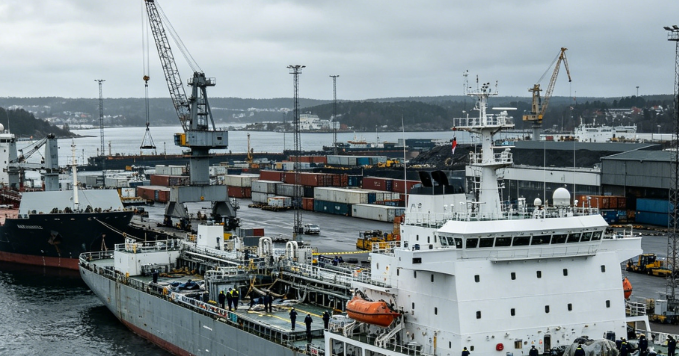
Sweden Seizes Vessel in Ongoing “Shadow Fleet” Investigation
On April 3, the Swedish Coast Guard discovered a 12-kilometer-long oil slick in the Baltic Sea east of Gotland, boarded, and seized the tanker Flora 1. The vessel belongs to the “Shadow Fleet”—a group of old, unflagged, high-risk ships subject to EU sanctions—and is accused of illegally discharging mineral oil.
-
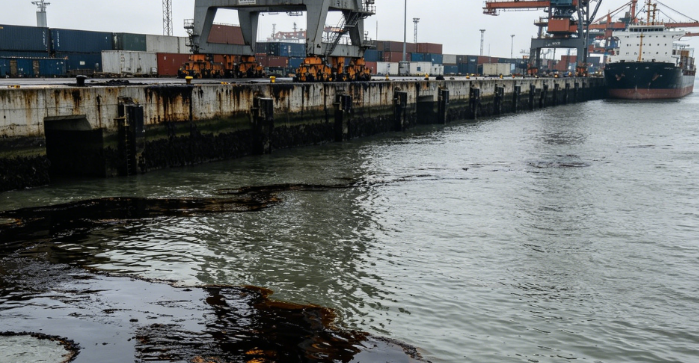
Fuel Leak at the Port of Antwerp, Belgium
On April 14, a major fuel spill occurred at the Deurganckdok in the Port of Antwerp, Belgium. Fuel leaked from the vessel MSC Denmark VI during refueling operations, contaminating the Scheldt River and a nature reserve near the Dutch border. The incident resulted in economic losses exceeding 10 million euros and restricted operations in multiple…
-
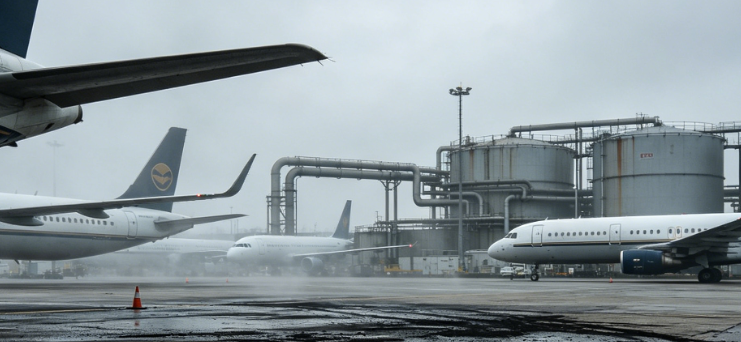
Europe’s Aviation Fuel Crisis and Hidden Pollution
On April 16, the International Energy Agency (IEA) warned that Europe’s aviation fuel reserves would last only six weeks. To ensure supply, several countries have temporarily relaxed fuel quality and emissions standards, which will exacerbate air pollution at airports and along flight paths in the short term.
-
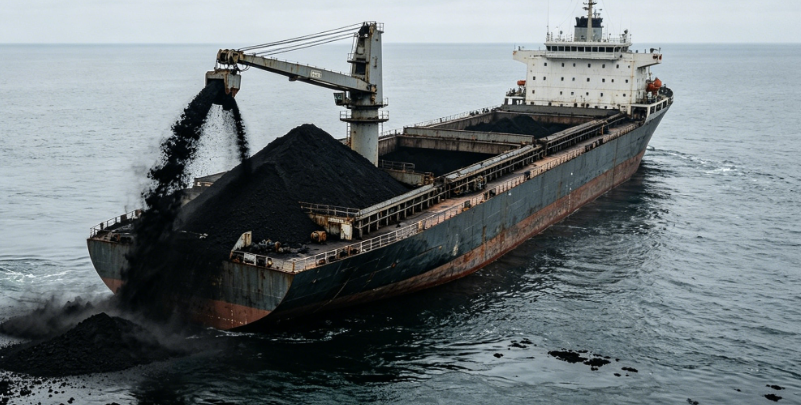
Cargo Ship Illegally Dumps Coal Ash in the Baltic Sea
On April 15, the Swedish Coast Guard intercepted a Panamanian-flagged bulk carrier that had illegally discharged a large amount of coal ash in an ecologically sensitive area of the Baltic Sea. The captain pleaded guilty and posted a bond, and the vessel was ordered to leave the area. This incident highlights that illegal dumping in…
-
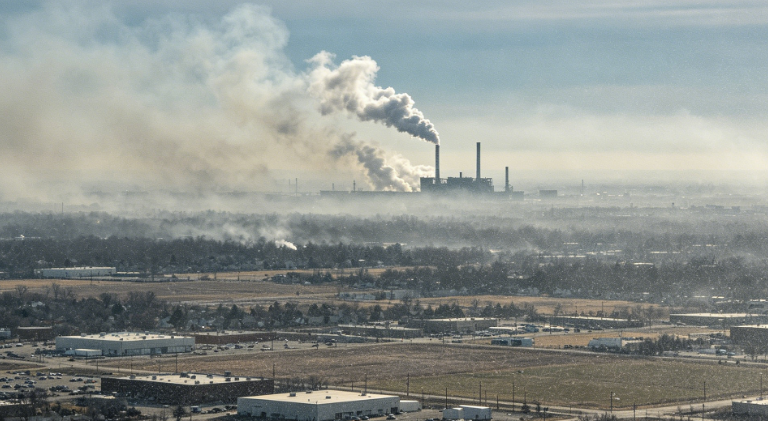
New “Forever Chemicals” Air Pollutants Detected on a Large Scale in the U.S. for the First Time
On April 15, research institutions detected new perfluoro- and polyfluoroalkyl substances (PFAS) in the atmosphere across the United States. These substances, known as the “next generation of forever chemicals,” are highly persistent, easily dispersed through the air, and pose potential reproductive and immunotoxic risks, prompting a nationwide air quality alert.