-
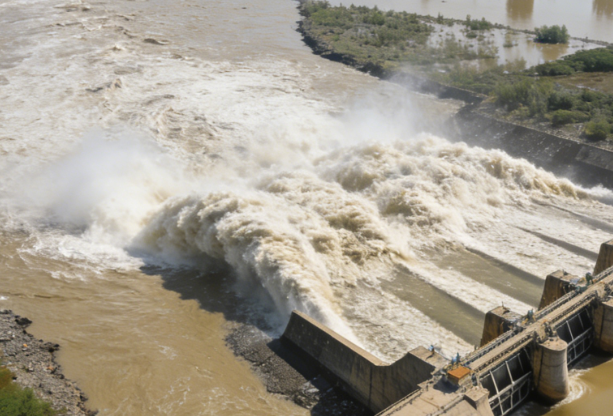
South Asia: India-Pakistan Transboundary Flooding Crisis
—
In the early hours of December 19, India opened the gates of the Salar Dam in Indian-administered Kashmir without prior notification. Floodwaters surged into Pakistan along the Jhelum River, causing multiple breaches in the Satluj and Ravi rivers’ embankments. In Pakistan’s Punjab province, 14,000 residents in Kasur and 89,000 in Bahawalpur were trapped. A total…
-
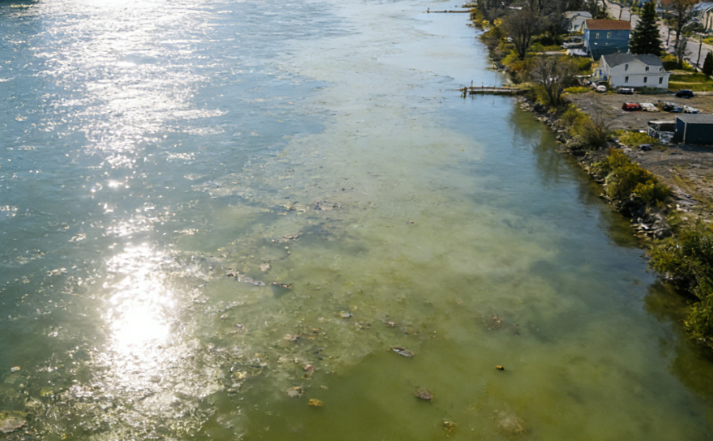
Water Pollution Issues Emerge Across Multiple U.S. Locations
—
Several U.S. states have recently faced various types of water pollution. New York State experienced elevated chloride levels in waterways due to excessive winter road salt usage during snowmelt. Just one teaspoon of salt can contaminate 5 gallons of drinking water, prompting local awareness campaigns urging salt usage control. Manuel Creek in Fort Myers, Florida,…
-

Hanoi, Vietnam Tops List of World’s Most Polluted Cities
—
On December 14, Hanoi, Vietnam was ranked by IQAir as the world’s most polluted city, with its Air Quality Index (AQI) reaching 230 at one point—surpassing Delhi, India. AQI levels at some monitoring stations even approached the dangerous threshold of 300, affecting surrounding provinces like Thanh Hoa and Thai Nguyen. The smog drastically reduced visibility…
-
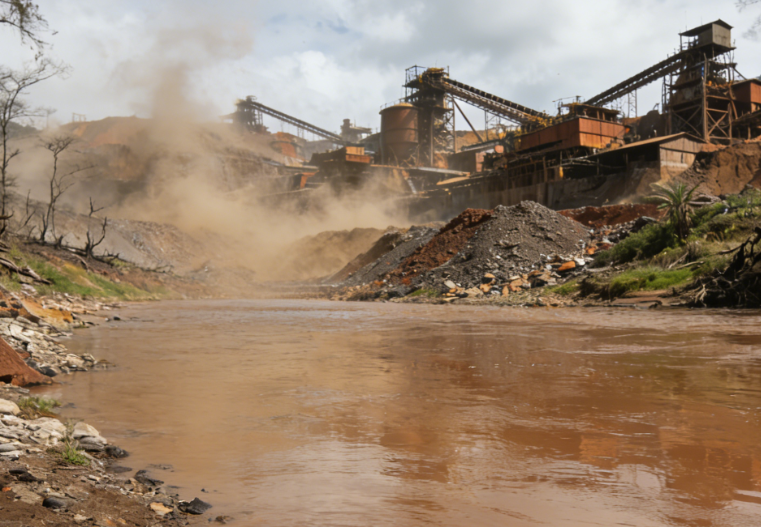
Colombian Copper Mine Pollutes Rivers and Destroys Local Ecosystem
—
Reports from December 2025 indicate that the El Rovalle copper mine in Colombia’s Chocó Department has long caused harm to the surrounding environment and communities. Operating since 1990, the mine doubled its daily output to 1,000 tons after being acquired by a Canadian multinational corporation in 2013. It lacks the environmental permits required under Colombian…
-
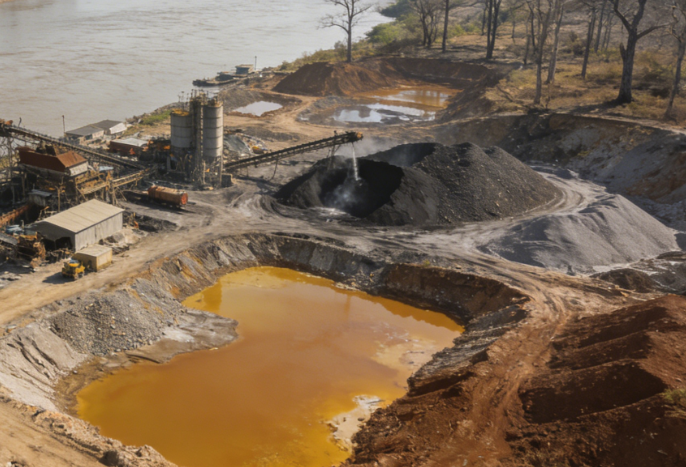
Illegal Mining Sites Surge in Laos, Causing Transboundary Pollution in Mekong River Tributaries
—
Satellite imagery analysis reveals 517 suspected mining sites along Laos’ rivers, predominantly located in major Mekong tributary areas. Among these, 188 sites in Attapeu Province are largely unregistered in official records. These mines predominantly use chemical extraction methods, with some employing high-risk heap leaching operations. Toxic substances flow downstream into the Mekong River’s “3S” river…
-
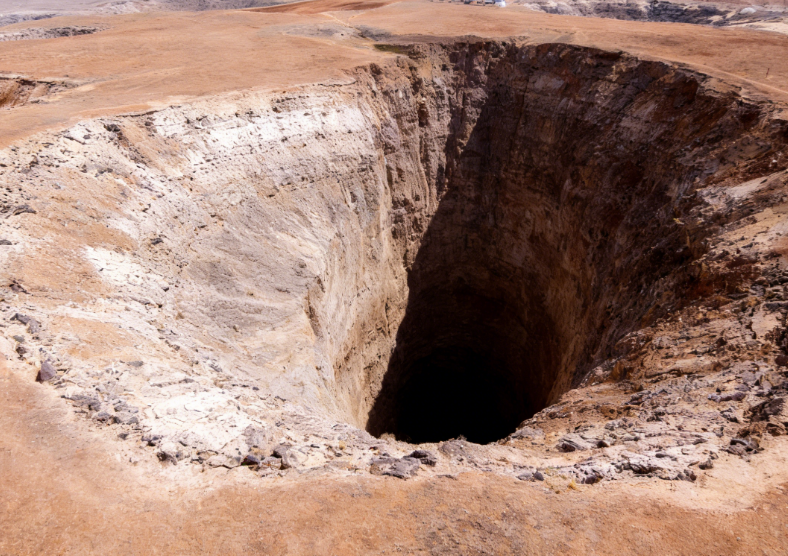
Water Resources and Geological Crisis in Turkey’s Konya Plain
—
Prolonged drought and excessive agricultural groundwater extraction have disrupted aquifer recharge and drastically reduced its supporting capacity in Turkey’s Konya Plain. Compounded by soluble geological conditions in the region, this has resulted in nearly 700 sinkholes forming, with surface subsidence becoming increasingly prominent. This phenomenon not only undermines the stability of local ecosystems but also…
-
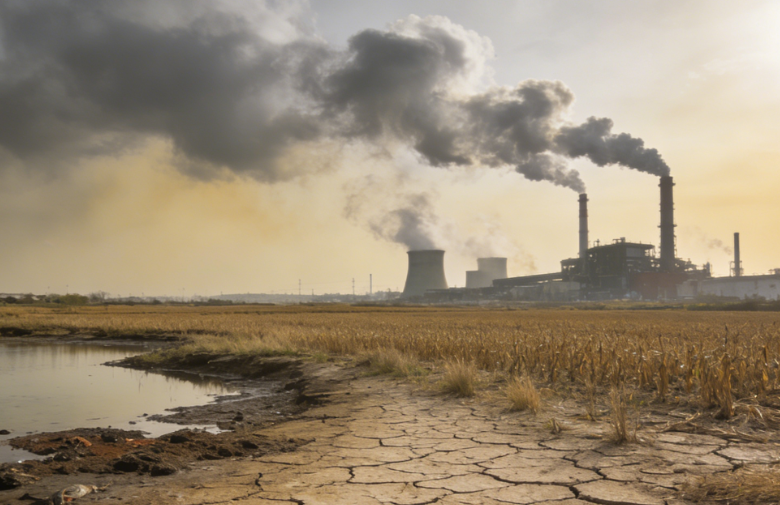
UN Report Highlights Intertwined Global Pollution and Climate Crises
—
A report released by the United Nations Environment Programme (UNEP) indicates that environmental pollution, climate change, and biodiversity loss are interconnected and worsening. Without altering current development models, these issues will further threaten food and water security while exacerbating poverty and health crises. The report urges nations to collaborate on advancing energy transitions and sustainable…
-
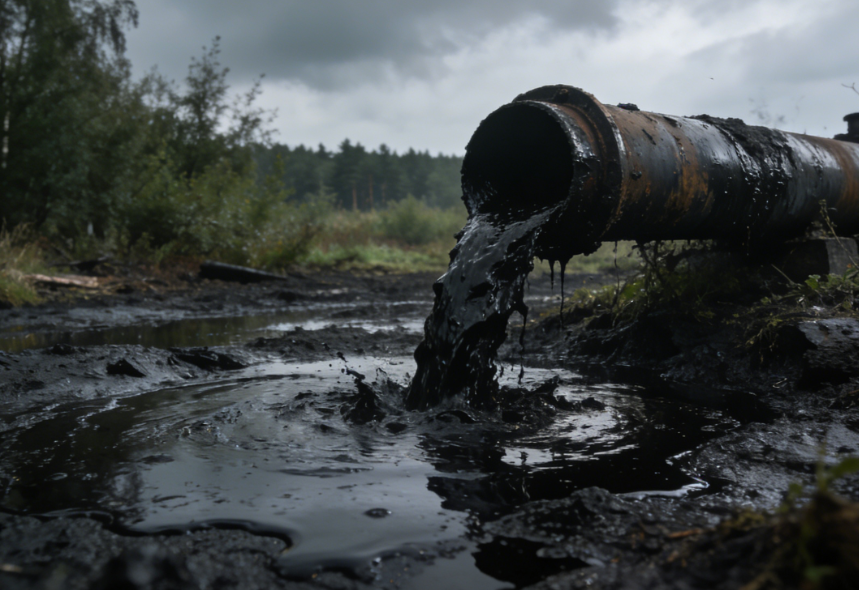
Oil Pipeline Leak in Brandenburg, Germany
—
On December 10, an accident occurred at an oil pipeline in the Uckermark region of Brandenburg, Germany. Leaking oil sprayed into the air, contaminating surrounding wetlands and soil. Nearby nature reserves and the Oder River face risks of cross-border pollution, causing direct damage to the regional ecological environment.
-
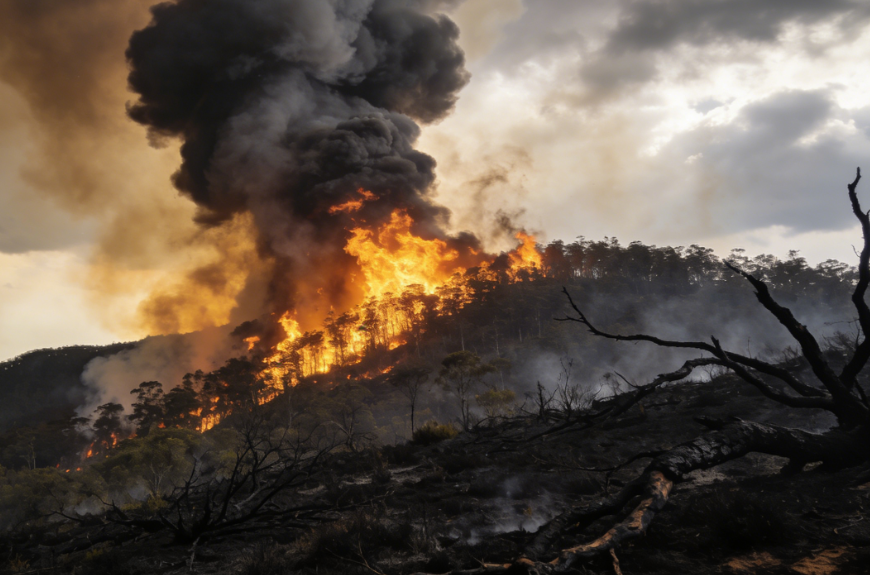
Wildfires Rage Across Australia’s New South Wales
—
Starting December 6, 2025, extreme heat triggered multiple wildfires across New South Wales, Australia. As of the 8th, nearly 60 active fire sites persisted, resulting in the death of one firefighter and the destruction of at least 20 homes. Six regions declared natural disaster status as rescue and recovery efforts continue. The wildfires have consumed…
-
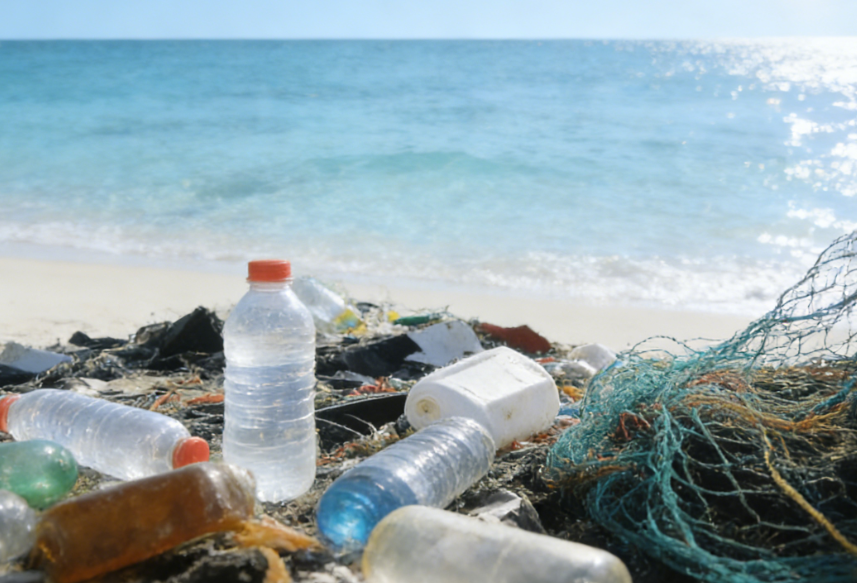
China and France Issue Joint Statement to Deepen Environmental Cooperation Across Multiple Sectors
—
On December 5, China and France released a joint statement on cooperating to address global climate and environmental challenges. The statement noted that both countries support tripling global nuclear power capacity by 2050 to advance energy transition; commit to strengthening global ocean governance and implementing the Agreement on the Conservation of Marine Biodiversity; and support…