-
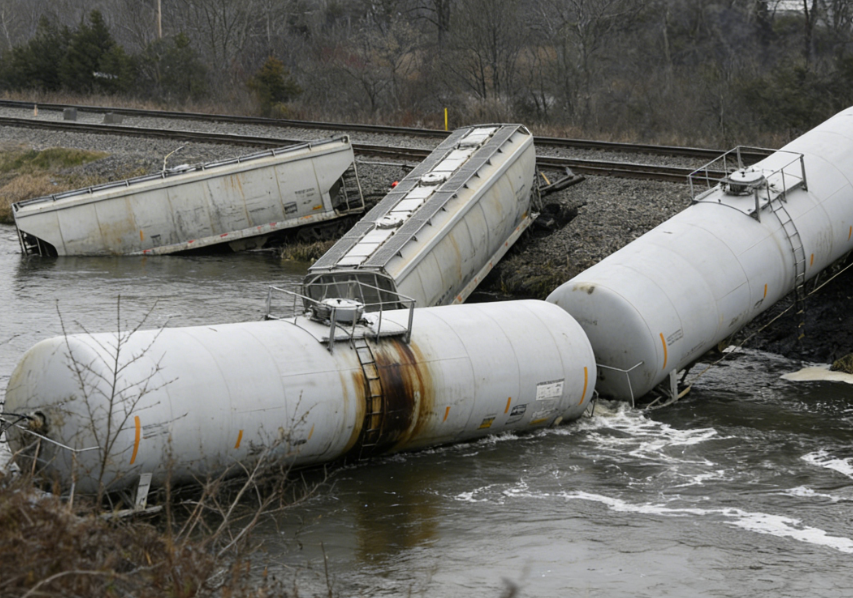
Connecticut Train Derailment
—
A freight train derailed in Mansfield, Connecticut, USA, with four tank cars carrying liquefied propane sliding into the Willimantic River. Additionally, two tank cars loaded with food-grade fats and oils derailed. The river may have been chemically contaminated, posing a threat to aquatic ecosystems. The propane leak could trigger explosion risks while also causing air…
-
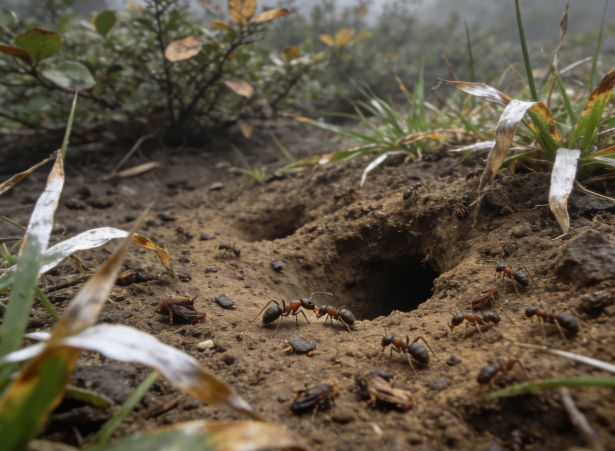
New Discovery: Air Pollution Triggers Colony Collapse in Ants
—
A joint Sino-German study reveals that ozone pollutants disrupt the chemical signals ants use to recognize their own kind, leading to cannibalism among nestmates. Worker ants cease caring for larvae, ultimately triggering colony collapse. This finding highlights the profound impact of air pollution on ecosystems at the microscopic level.
-
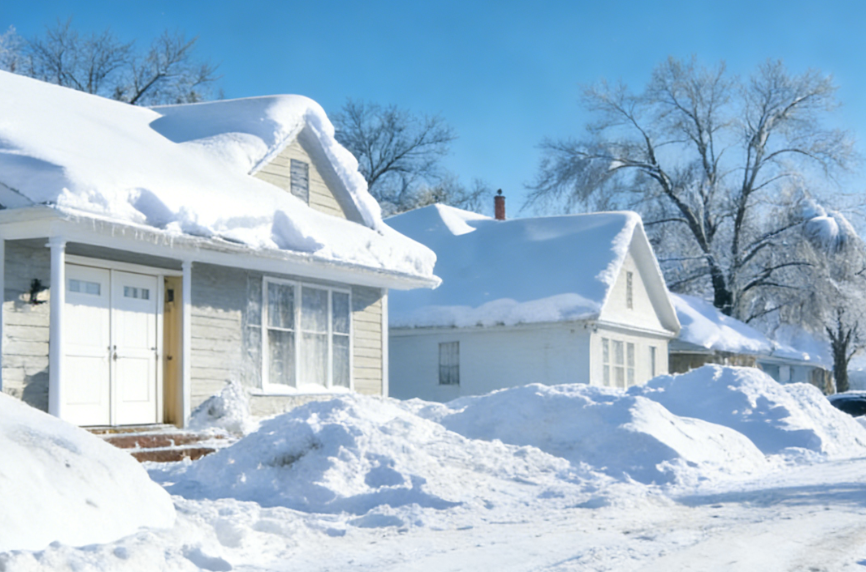
Historic Winter Storm Hits Southern United States
—
A historic winter storm has battered the southern United States, leaving 330,000 customers without power in Tennessee, over 100,000 each in Mississippi and Louisiana, and causing the cancellation of more than 10,800 flights. The extreme cold has severely damaged local infrastructure, highlighting the impact of extreme weather on energy and transportation systems amid climate change.…
-
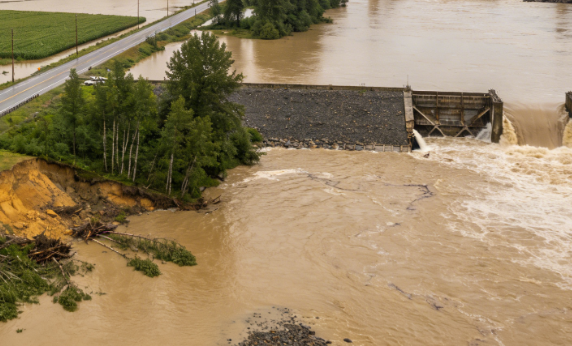
British Columbia, Canada, Faces Dual Climate Crisis
—
Vancouver Island’s Comox Valley in British Columbia, Canada, declared a partial state of emergency and issued evacuation orders due to extreme rainfall. The provincial government allocated CAD 3.3 million for flood planning in the Fraser Valley to address climate change impacts. Meanwhile, the southern coast recorded historically low snowpack levels, raising concerns about summer water…
-
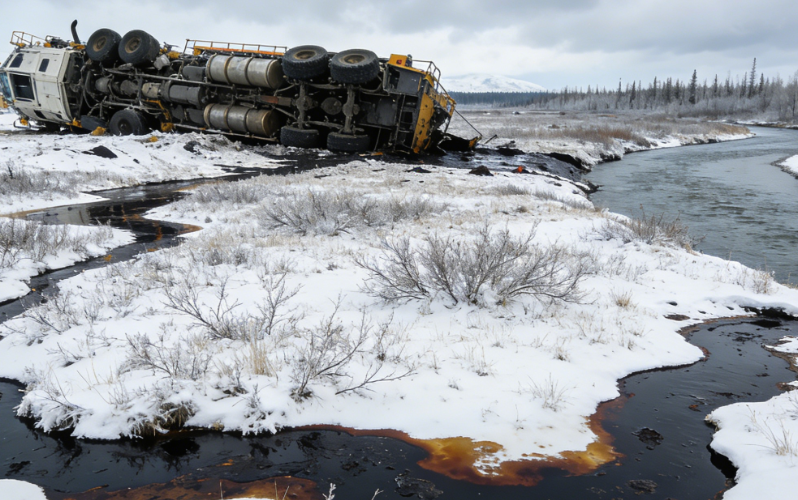
Diesel and Hydraulic Fluid Spill in the United States
—
An incident occurred in the Alpine oil field area north of Nuiqsut Village, Alaska, USA. The Doyon 26, North America’s largest mobile onshore drilling rig, overturned during transport, spilling approximately 4,000 gallons of diesel and 600 gallons of hydraulic fluid into the local permafrost terrain. The site is adjacent to a tributary of the Colville…
-
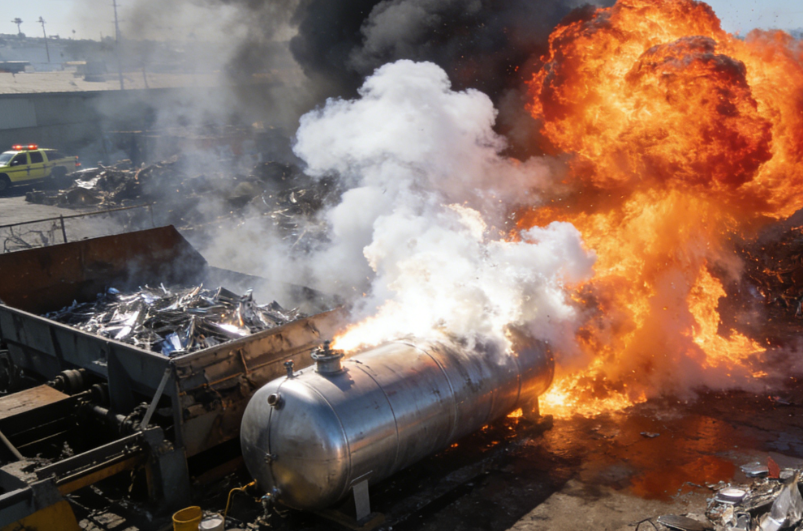
California Titanium Metal Fire Triggers Air Pollution
—
A fire broke out at the P&T Metals recycling center in South El Monte, California. The blaze involved titanium metal and was accompanied by an explosion of propane tanks. The fire poses multiple pollution threats to the surrounding environment. High-temperature combustion of titanium metal releases particulate matter such as titanium oxide and other metal oxides,…
-
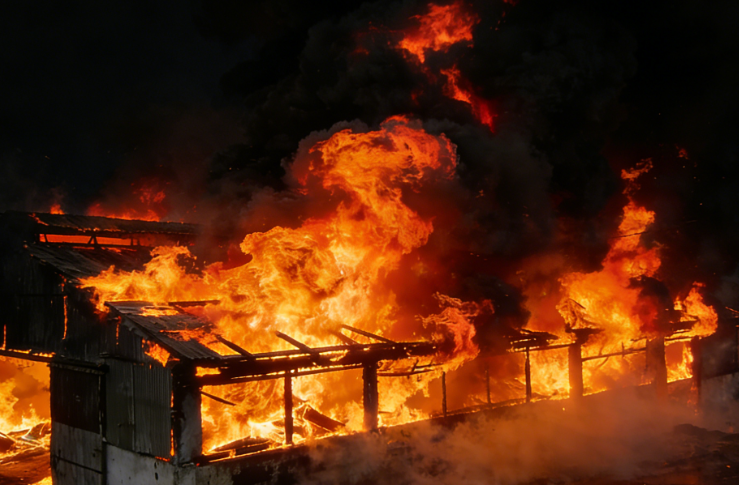
Fire at Tanjung Mulia Sandals Factory in Medan, Indonesia
—
At approximately 10 p.m. local time on January 27, a fire suddenly broke out at the Swallow Sandals Factory in Tanjung Mulia Village, Medan City. The blaze rapidly spread, engulfing the large rubber products factory. Due to the large quantities of rubber raw materials and finished products stored inside, the fire proved difficult to control…
-
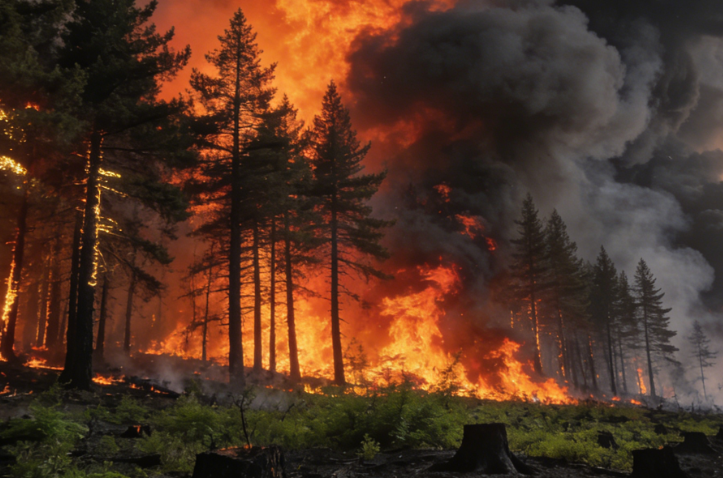
Forest Fires in Central-Southern Chile
—
The fires have claimed 21 lives, affected over 20,000 people, and destroyed thousands of homes. Chilean military helicopters have been deployed to assist in firefighting efforts, with multiple countries providing relief supplies. Extensive forest destruction has released large amounts of carbon dioxide, potentially leading to soil erosion, reduced biodiversity, and severely deteriorated air quality in…
-
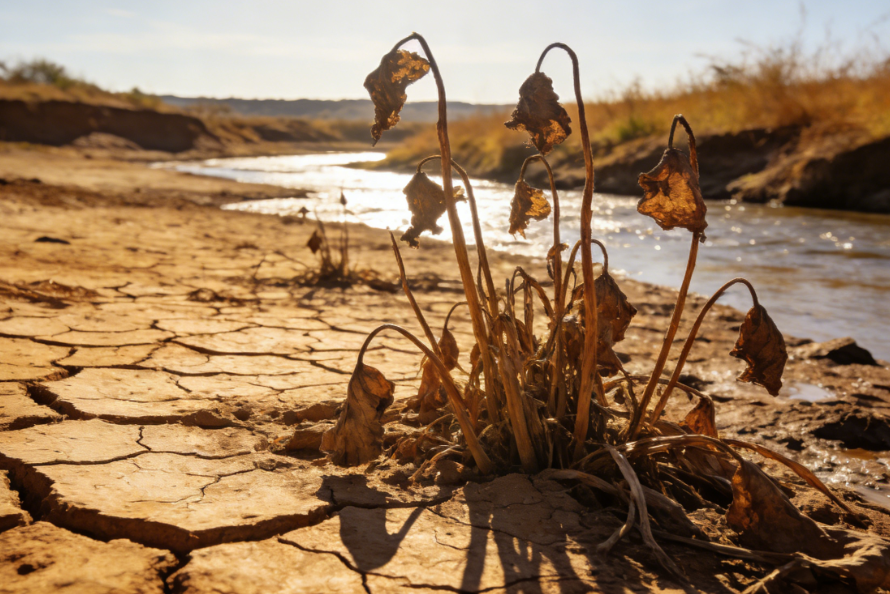
The Water Ecological Crisis is Severe
—
In January 2026, the United Nations University officially declared the world had entered an era of “water bankruptcy.” From an environmental perspective, human water consumption and pollution far exceed the natural hydrological system’s capacity for recovery and restoration. Aquifers, lakes, wetlands, and other water ecosystems have suffered irreversible damage, while drought disasters have become routine.…
-
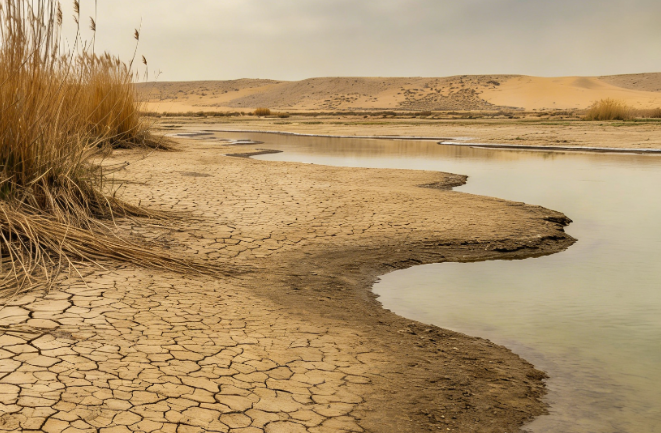
Iran’s Long-Term Environmental Crisis
—
Iran is mired in a protracted environmental crisis, with cities like Tehran, Arak, and Isfahan experiencing fewer than five days of clean air annually. The reliance on heavy fuel oil for winter heating further exacerbates air pollution, contributing to nearly 30,000 deaths each year. Additionally, wetlands in western and southern Iran continue to dry up,…