-
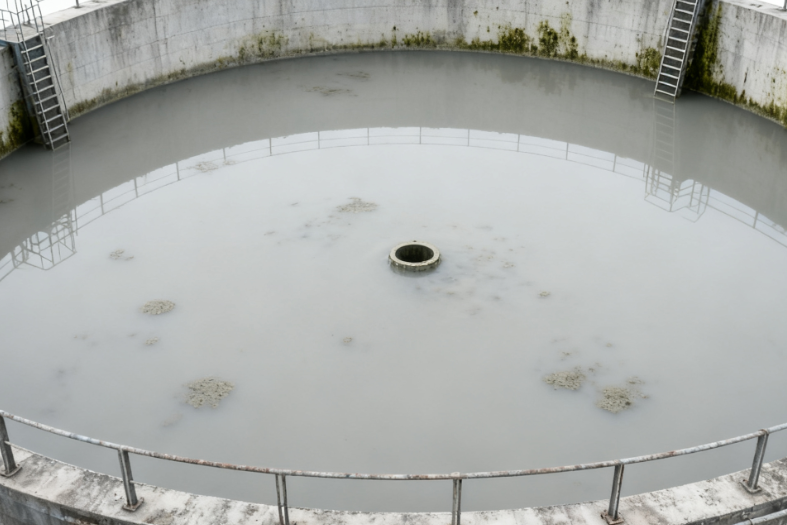
Contaminated Drinking Water Incident at Indian Campus Exposes Infrastructure Flaws
—
A major public health incident erupted at Devaraha Baba Medical College in Deoriya, Uttar Pradesh, India: Cleaners discovered a highly decomposed male corpse in a water tower that had supplied drinking water to the entire campus—including students, faculty, and outpatient clinic patients—for nearly ten days. During this period, some individuals experienced gastrointestinal discomfort, but the…
-
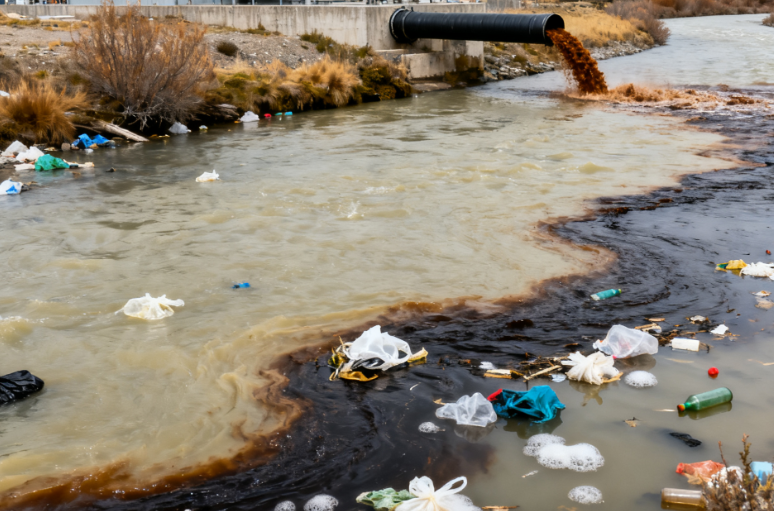
Pollution Crisis Persists in Argentina’s Glacial Rivers as Drug-Resistant Bacteria Threaten Health
—
The Fitz Roy and Las Vueltas rivers in El Chaltén, Patagonia, have been continuously discharging untreated sewage due to prolonged malfunctions at wastewater treatment plants. This has led to the detection of multidrug-resistant E. coli in the water. Among 27 bacterial strains, five are resistant to three classes of commonly used antibiotics, potentially triggering a…
-
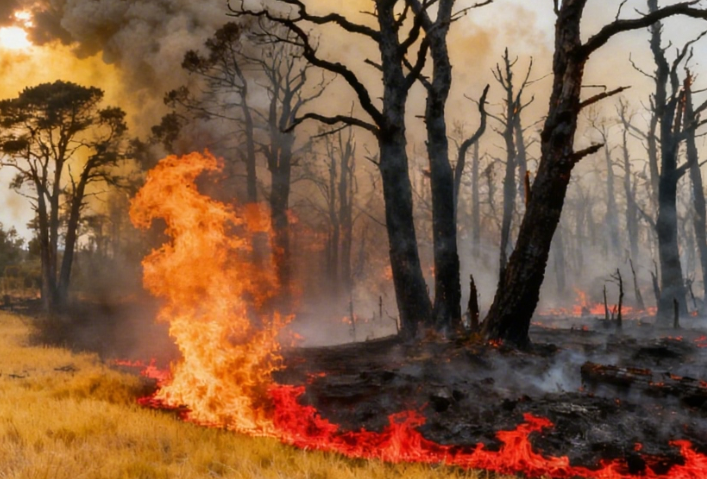
UK Wildfire Crisis Continues to Escalate
—
Despite September marking the onset of autumn, wildfires persist across multiple regions of the UK due to summer drought and high temperatures. By mid-September, fire services in England and Wales had responded to 380 wildfires, with over 24,000 hectares burned, making this one of the worst years for wildfires in the country’s history. The UK…
-
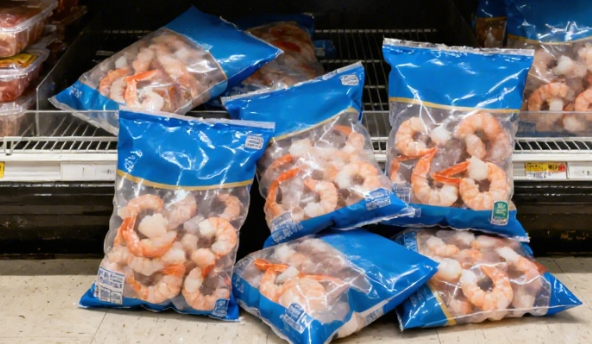
California Seafood Market Faces Renewed Nuclear Contamination Crisis
—
Following an August recall, the U.S. FDA announced another recall on September 22 of 85,000 bags of frozen shrimp sold at supermarkets across 31 states, including Walmart and Kroger. Testing revealed traces of radioactive cesium-137 in some products—though below regulatory limits, it poses long-term health risks. The contamination source points to Indonesia’s BMS Foods factory,…
-

Ozone Layer Recovery Reaches Milestone
—
The World Meteorological Organization released a report stating that Earth’s ozone layer is recovering at an “unprecedented rate in history.” The Antarctic ozone hole shrank to its smallest size since 2020 in 2024 and is projected to return to 1980 levels by 2066. This progress stems from the global regulation of ozone-depleting substances like CFCs…
-
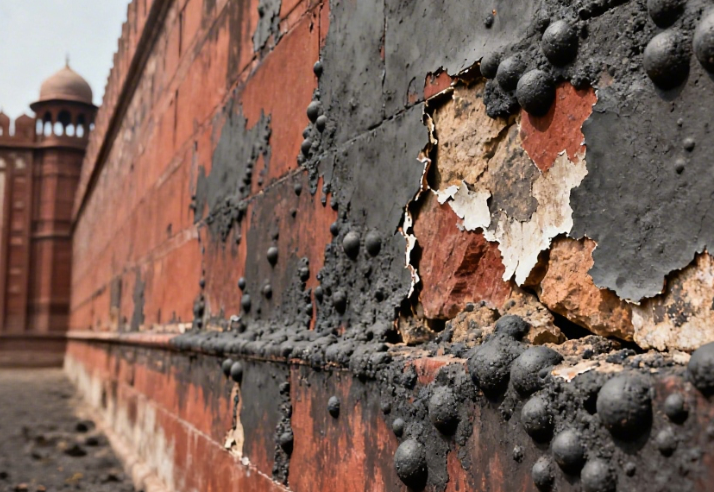
Air Pollution Eroding India’s Red Fort
—
Delhi’s toxic air has caused a black crust to form on the walls of the Red Fort, a historic site from the Mughal era. PM2.5 and PM10 particulate matter react chemically with the red sandstone, leading to blistering and peeling of the walls. Research indicates that black deposits on the red sandstone surface have reached…
-
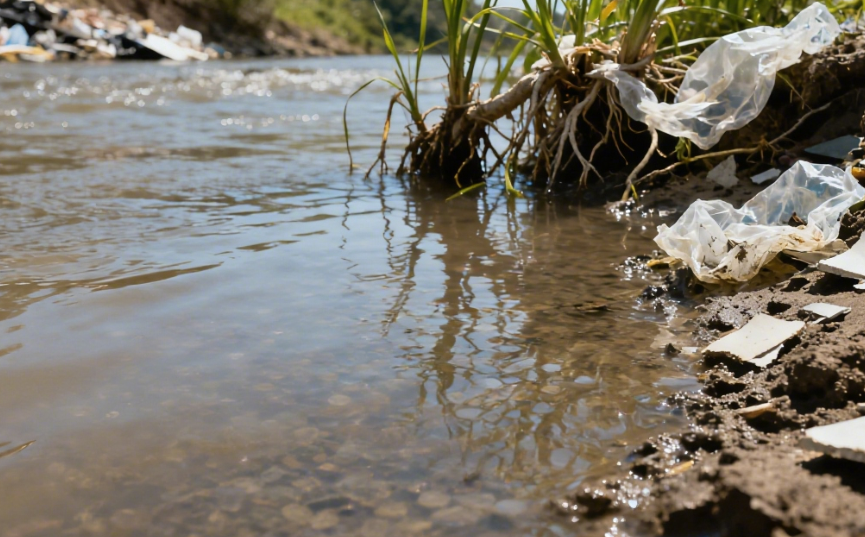
Plastic Pellet Pollution Incident in the Congaree River Escalates
—
The environmental organization “Congaree River Keepers” in South Carolina, USA, has filed a lawsuit in federal court, accusing Alpek Polyester and Eastman Chemical Company of long-term discharge of large quantities of plastic pellets (commonly known as “plastic rice”) and the toxic chemical 1,4-dioxane into the Congaree River. Monitoring indicates plastic pellet concentrations in this river…
-
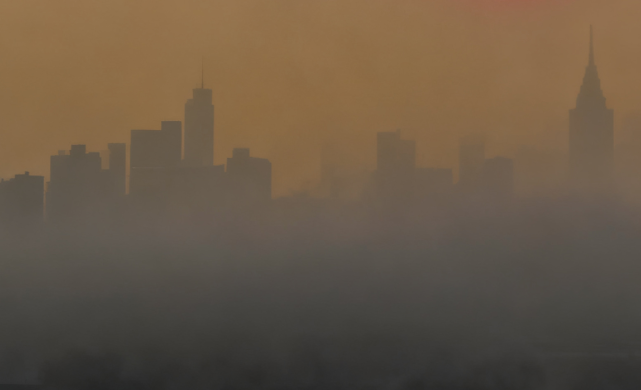
Global Air Pollutants on the Rise
—
The World Meteorological Organization (WMO) has released its Air Quality and Climate Bulletin, revealing that global air pollution is worsening. WMO scientists note that due to climate change, wildfire seasons are intensifying and extending year by year. The fine particulate matter emitted by wildfires can travel across the globe, contributing to declining air quality worldwide.…
-
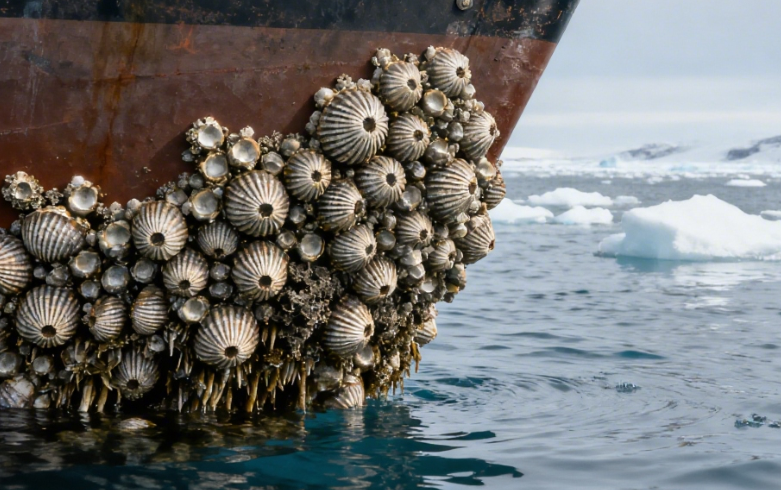
Invasive Barnacles Found in Canada’s Arctic Waters
—
An international team has recently discovered evidence of invasive barnacles in Canada’s Arctic waters. As the climate warms, water temperatures in the region have risen, no longer cold enough to prevent the invasion of non-native species. These barnacles can cause biofouling on ships, pipelines, and other infrastructure.
-
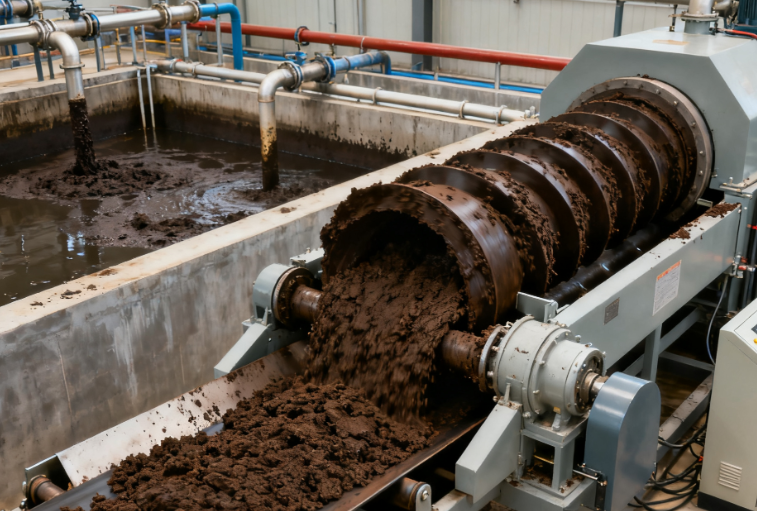
Organic Fluorine Compounds Detected in Sludge from 34 Japanese Wastewater Treatment Plants
—
Researchers from Kyoto University selected 34 wastewater treatment plants from approximately 2,200 nationwide for testing and analysis. Results revealed that sludge from all 34 plants contained perfluoroalkyl and polyfluoroalkyl substances (PFAS). These compounds are difficult to degrade, accumulate in the environment and human bodies, and are known as “forever chemicals.”