-
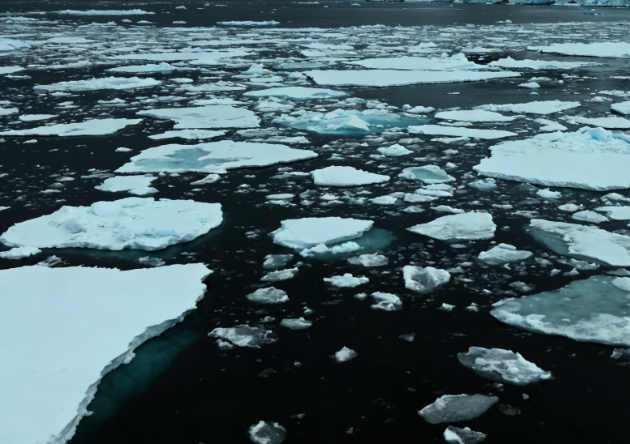
Antarctic Sea Ice Extent Nears Record Low
—
The annual minimum extent of Antarctic sea ice reached approximately 2.58 million square kilometers, a decrease of 260,000 square kilometers compared to the 1981–2010 average. In recent years, Antarctic sea ice has remained at historically low levels for several consecutive years. The continued shrinkage of sea ice not only disrupts the polar ecological balance but…
-
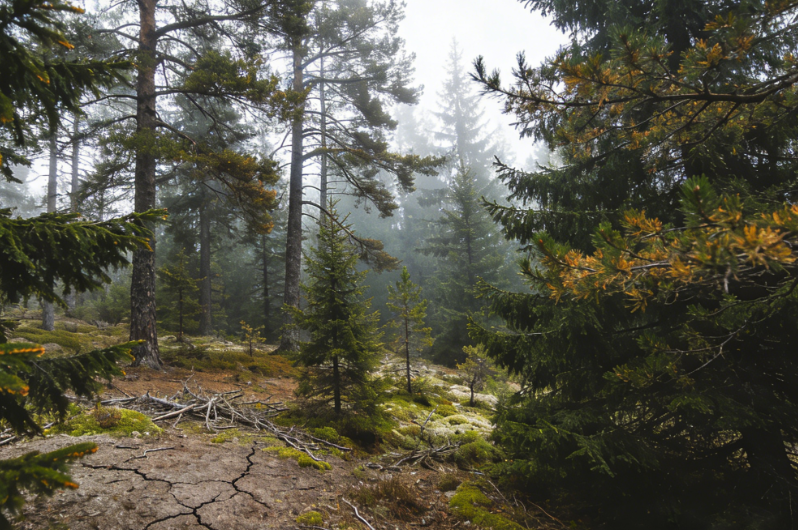
Northern Forests Face Serious Challenges to Carbon Cycling
—
A study published in the Swedish journal *Nature* has confirmed, based on nearly 60 years of data, that rising atmospheric CO₂ concentrations are the primary cause of nitrogen deficiency in northern forests. High CO₂ levels accelerate the growth of trees such as pine and spruce, causing them to consume large amounts of soil nitrogen. This…
-
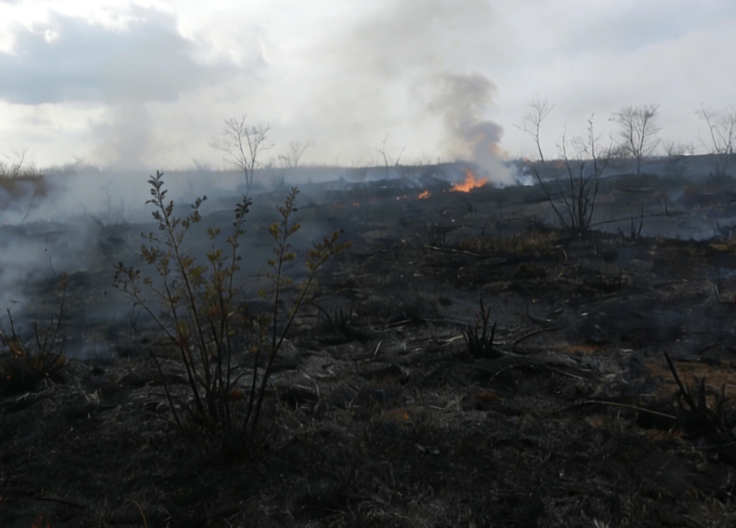
Forest Fires in Southeastern South Korea
—
The forest fires in South Gyeongsang Province, South Korea, have burned an area exceeding 48,000 hectares. As the largest forest fire in the country’s history, it has not only caused extensive destruction of forest vegetation but also led to severe air pollution and soil degradation. According to ecological assessments, it will take decades for the…
-
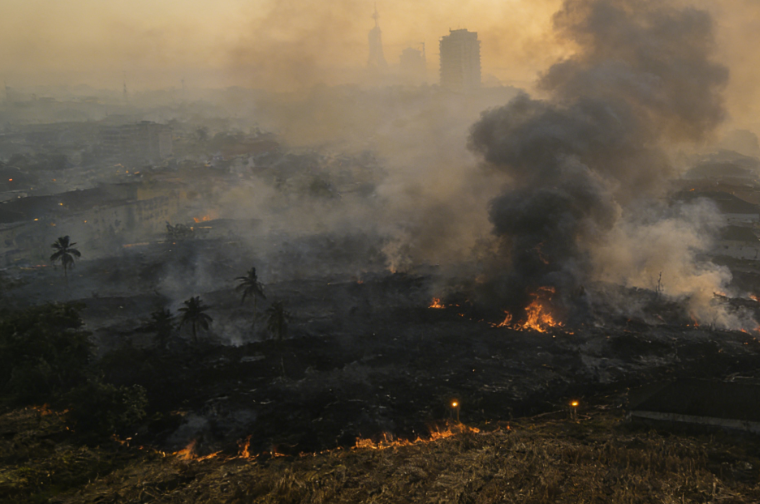
Illegal Burning and Haze in Southeast Asia
—
On March 30, illegal burning activities in agricultural and forested areas across Indonesia and Malaysia continued to intensify. The open burning of large quantities of crop residues and forest vegetation produced thick smoke, creating regional haze that spread outward, affecting areas such as Singapore and southern Thailand. As a result, air quality in the affected…
-
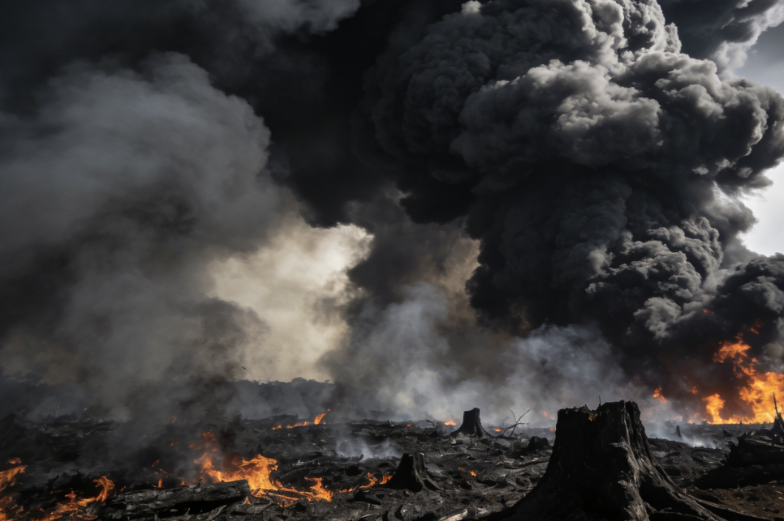
Forest Fires in Indonesia Exacerbate Haze in Southeast Asia
—
Forest fires in Indonesia’s Sumatra and Kalimantan provinces continue to spread, with the burned area exceeding 20,000 hectares and generating large amounts of PM2.5 and harmful gases. Air Quality Index (AQI) levels in Singapore, Malaysia, and other countries have risen to moderate pollution. Data from Singapore’s National Environment Agency shows the PSI index reached 75,…
-

Middle East Conflict Triggers Chain Reaction of Energy Pollution
—
The Middle East conflict led to attacks on Iranian oil storage facilities, causing fires that released vast amounts of petroleum pollutants. These pollutants spread and formed toxic black rain, severely contaminating local air, soil, and water sources. Simultaneously, sharp fluctuations in international oil prices prompted increased production by the U.S. refining industry, resulting in higher…
-
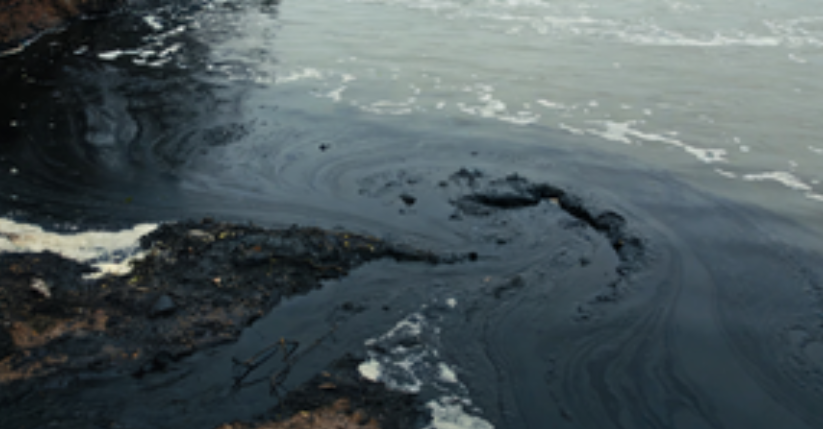
Potomac River Sewage Spill Persists as Long-Term Threat
—
On January 19, a sewage pipeline rupture in Maryland released 940 million liters of untreated sewage into the river. Monitoring indicates pathogenic bacteria like E. coli remain thousands to tens of thousands of times above safe levels, with drug-resistant bacteria detected. As temperatures rise, bacterial activity will intensify, posing ongoing risks to residents’ drinking water…
-
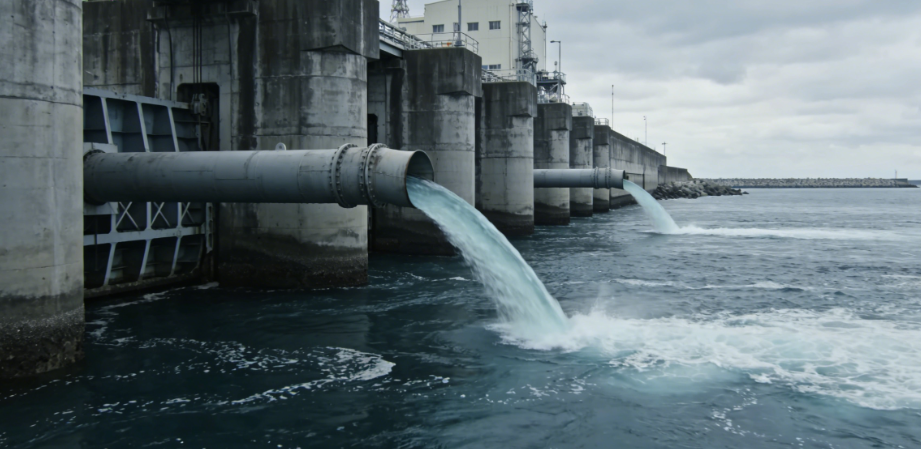
Japan’s 18th Release of Fukushima Nuclear Contaminated Water into the Ocean Continues
—
The 18th release of nuclear contaminated water into the ocean, initiated on March 6, entered a critical phase and continued through March 8–9. Approximately 7,800 tons are scheduled for discharge by March 24. By the end of 2025, cumulative discharges will reach approximately 133,000 tons. An additional eight planned discharges (totaling about 62,400 tons) will…
-

Iran: Airstrikes Trigger “Black Rain” and Toxic Acid Rain Crisis
—
On the night of March 7, attacks on five civilian oil storage facilities in Tehran and Alborz Province sparked massive fires, releasing vast amounts of sulfur compounds, nitrogen oxides, and oil particles into the atmosphere. By early morning on March 8, Tehran experienced oil-laden “black rain.” The Iranian Red Crescent Society issued an urgent warning:…
-
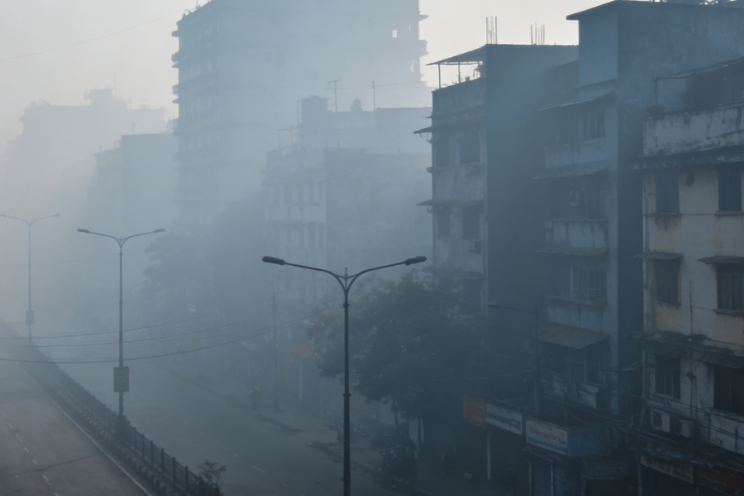
Severe Air Pollution Hits Multiple Indian Cities
—
On March 3, 2026, air quality deteriorated sharply in several Indian cities including Mumbai, New Delhi, and Kolkata, with Air Quality Index (AQI) readings widely exceeding 300 and reaching hazardous levels in some areas. Primarily driven by industrial emissions, vehicle exhaust, and biomass burning, coupled with unfavorable meteorological conditions hindering pollutant dispersion, the situation poses…