-
Microplastic Crisis Intensifies
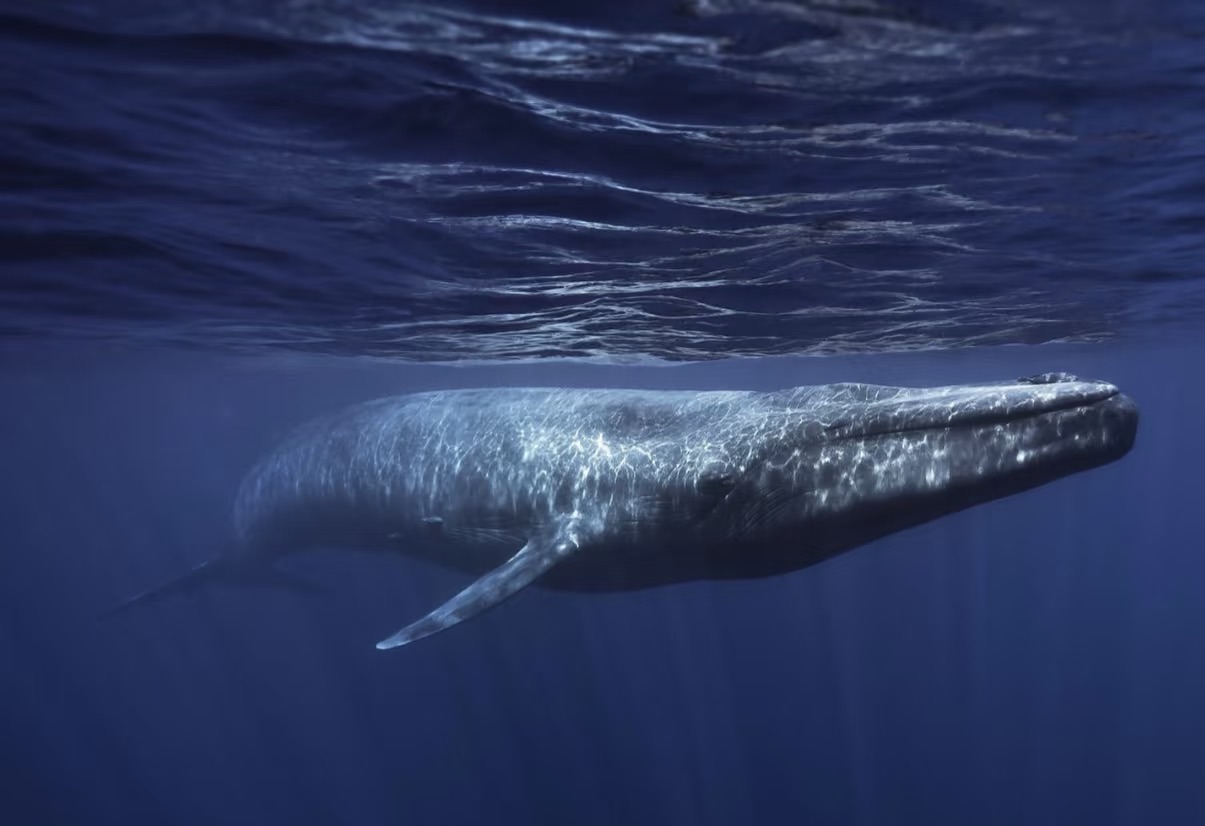
Models published in Nature, Ecology and Evolution show that blue whales in the North Atlantic are ingesting an average of 12 million pieces of microplastics per day, far exceeding the 10 million pieces recorded in the 2022 California Current. The study suggests that these plastic particles enter the cetacean’s digestive system through filter-feeding behavior, potentially…
-
Carbon sink function of cetaceans
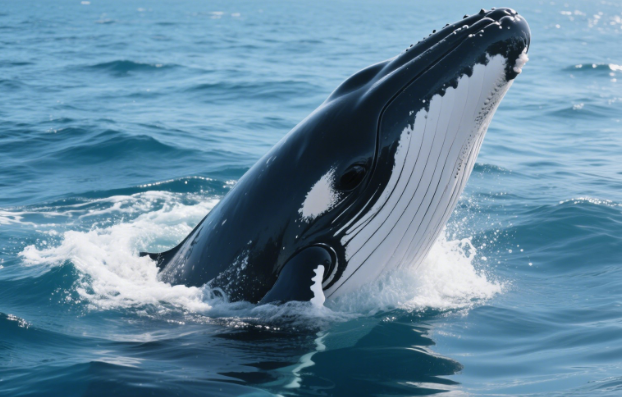
Research shows that a blue whale can store about 33 tons of carbon dioxide over its lifetime, and that the “whale falls” it creates after death support deep-sea ecosystems for decades. Globally, cetaceans sequester the equivalent of 13 billion trees each year, underscoring their critical role in combating climate change.
-
UN Oceans Conference Focuses on Cetaceans
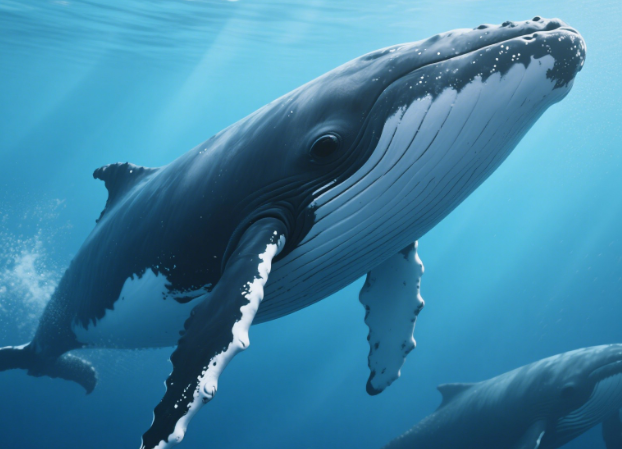
The June 2025 meeting in Nice will advance negotiations for a Global Convention for the Conservation of Cetaceans, propose a North Atlantic right whale migration corridor sanctuary, and require member states to reduce the risk of ship collisions by 80 percent by 2030.
-
Japan Restarts Commercial Whaling Controversy
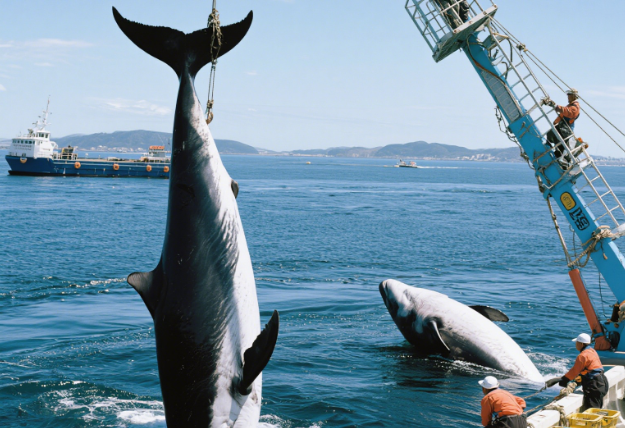
Japan’s announcement that it is withdrawing from the International Whaling Commission (IWC) and plans to restart commercial whaling in 2025 has sparked international criticism.The IWC has warned that Japan’s hunting of minke whales in the name of “scientific research” lacks scientific merit and threatens the Antarctic Cetacean Sanctuary.180,000 Japanese have banded together in opposition to…
-
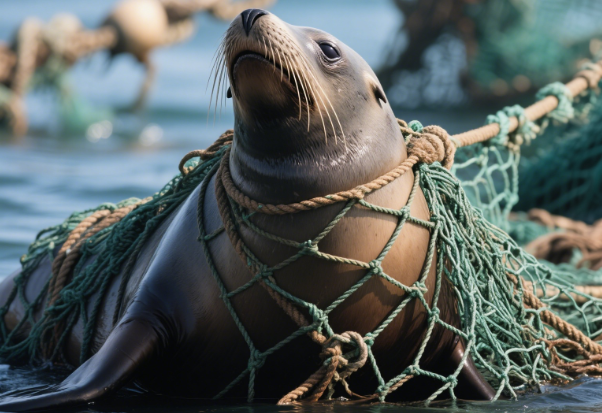
New developments in marine conservation in Africa
Namibia has established a six-member marine conservation team that has rescued more than 600 sea lions entangled in fishing nets by 2025. The team uses scissors, nets and other tools to carry out emergency rescues along the coast, while promoting beach cleanups and garbage collection. Scientists warn that microplastic concentrations in Namibian waters have reached…
-
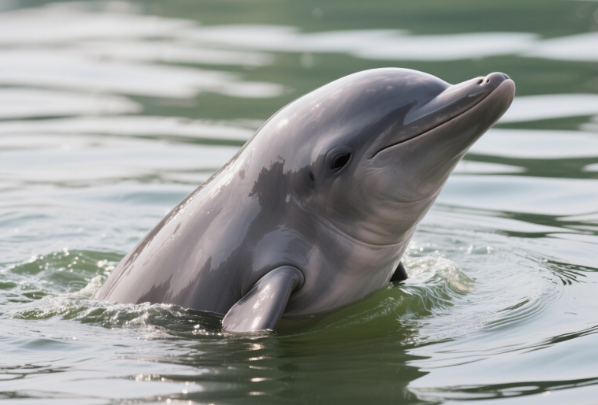
Chinese acoustic technology helps global cetacean conservation
2025 In April, the passive acoustic monitoring technology developed by China for the Yangtze finless porpoise was applied for the first time to protect the Irrawaddy dolphin in the Mekong River in Cambodia, where it was found that shipping noise caused a 40% decrease in the dolphin’s success rate of predation by tracking the distribution…
-
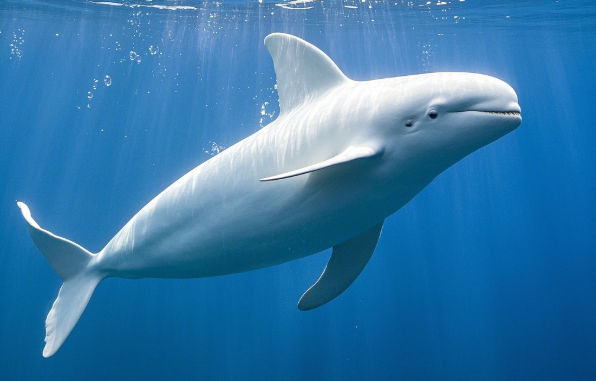
Arctic Cetacean Health Early Warning System Launched
The EU-UNEP co-funded Arctic Pollution Monitoring Project (APMP) was launched on March 27, focusing on persistent organic pollutants (POPs) in beluga and narwhal whales. Preliminary data show that concentrations of POPs in the Arctic have reached 10 times the global average, and that some beluga whale populations have suffered a 20% decline in reproduction rates…
-
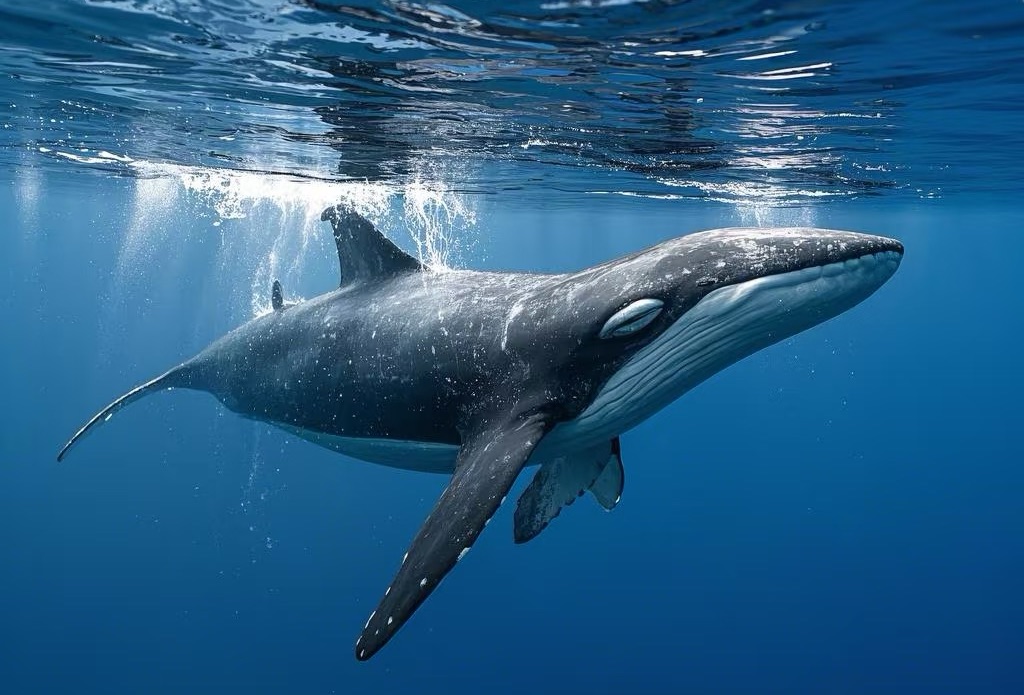
Microplastic Pollution Threatens Global Food Security
Research released in March by Stanford University shows that blue whales ingest about 10 million microplastics a day through their krill diets, and sperm whales, which have the highest concentration of microplastics in their bodies, are at risk of immune system damage from feeding on deep-sea cephalopods. According to another study, microplastics can reduce the…
-
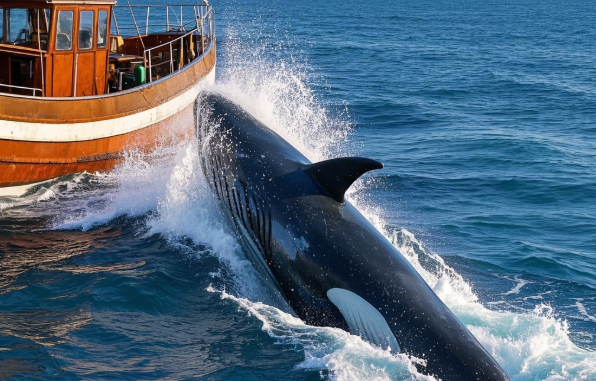
U.S. Navy Requests Increase in Number of Permits for Accidental Whale Strikes
The U.S. Navy, in response to numerous whale strikes by vessels off the coast of Southern California in recent years, is requesting an increase in the cap on the number of accidental injuries to marine mammals allowed under the government’s agreement to increase the maximum number of whales accidentally “taken” from 3 to 5 before…
-
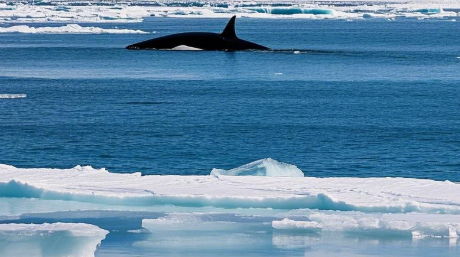
Iceland’s Whaling Industry Successfully Transforms into Ecotourism
The Icelandic government has forced traditional whaling companies to transform their business by increasing taxes and fines. Over the past five years, whaling costs have risen by 60%, and companies are turning to whale watching tourism. Whale-watching tourism generates more than $120 million in annual revenue, more than double that of the whaling industry. Whale…