-
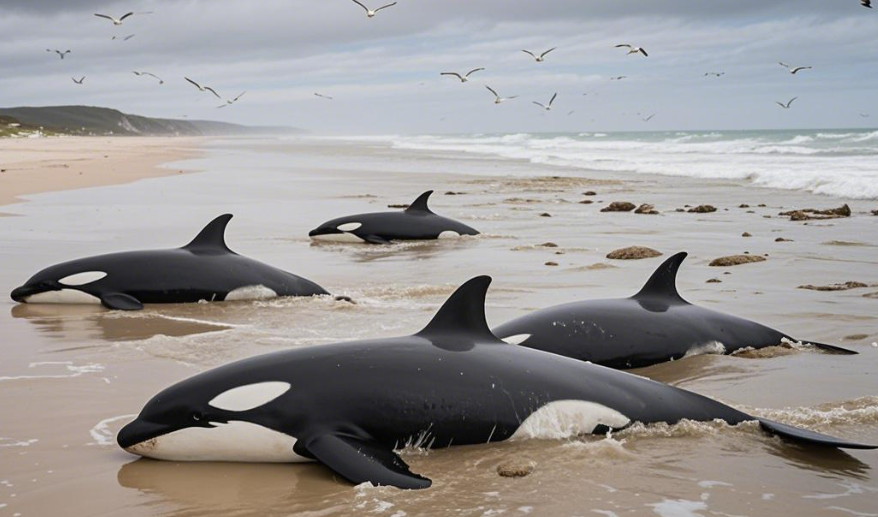
Cetacean Conservation: Stranding Incidents and Rare Species Appearances
The stranding of seven false killer whales, four of which died on May 5 at Howth Beach, Western Australia, Australia, was another major ecological event following the 2024 mass stranding of 157 false killer whales in Tasmania. Marine biologists suggest that the matrilineal social structure of false killer whales leads to “follow the leader” group…
-
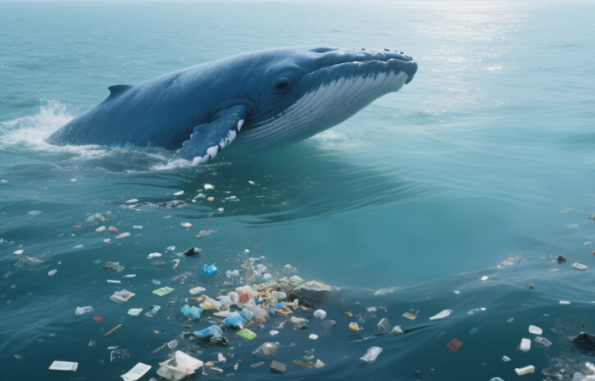
Physiological and toxicological effects of microplastic ingestion
According to a study published in the May 2025 issue of Nature Communications, blue whales off the coast of California, USA, ingest 10 million microplastics per day, and humpback whales 4 million. Persistent organic pollutants (POPs) adsorbed on the surface of microplastics (e.g. polychlorinated biphenyls (PCBs)) are absorbed into the bloodstream through the intestinal tract,…
-
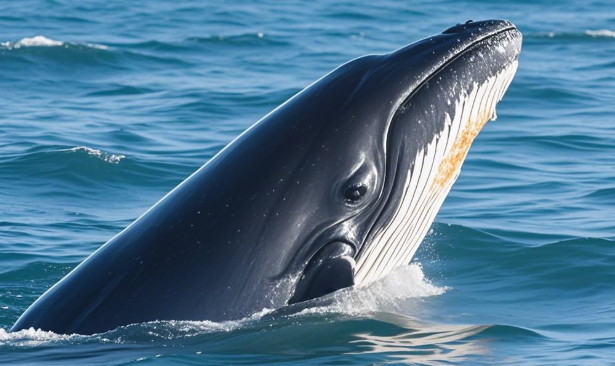
North Atlantic: Endangered Right Whale Reproduction Dilemma
During the 2025 breeding season (November 2024 – April 2025), only 5 new calves were added to the North Atlantic right whale population, which continues to be at a low level (~370 extant). With mortality rates as high as 20% due to entanglement in fishing gear and ship strikes, and with breeding intervals lengthening from…
-
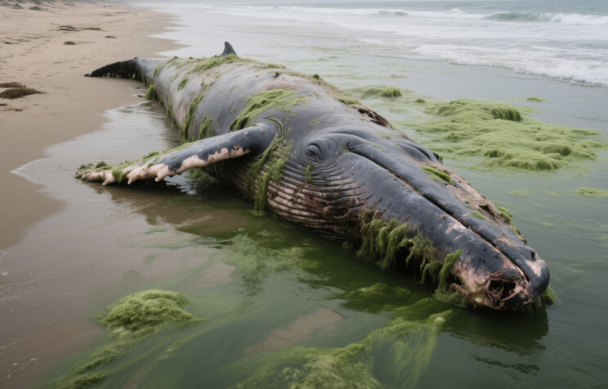
Toxic Algal Bloom Causes Mass Cetacean Deaths
In April 2025, an outbreak of the “worst ever” harmful algal bloom off the coast of Southern California in the United States resulted in the stranding of at least four cetaceans (humpback, minke, and gray whales) due to chondrichthyan acidosis. Autopsies showed that the cetaceans had concentrations of toxins well above safe thresholds and suffered…
-
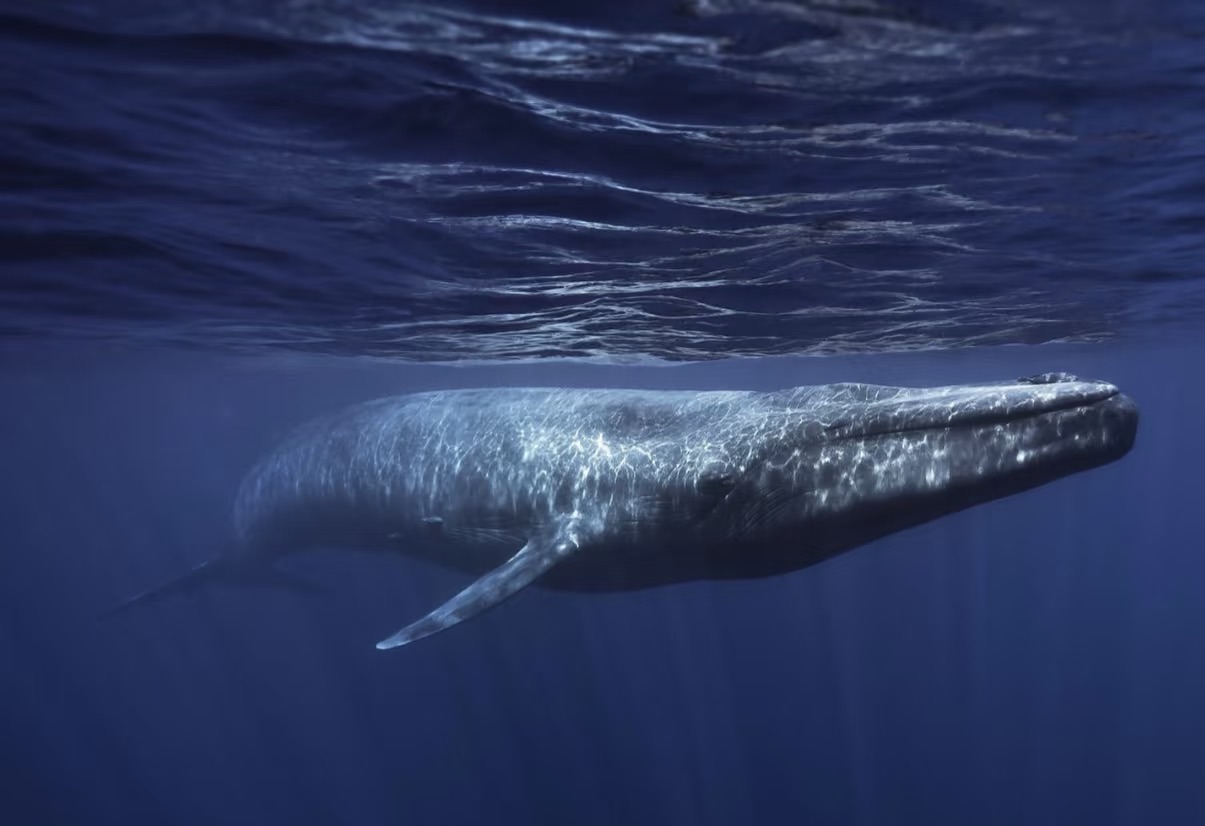
Microplastic Crisis Intensifies
Models published in Nature, Ecology and Evolution show that blue whales in the North Atlantic are ingesting an average of 12 million pieces of microplastics per day, far exceeding the 10 million pieces recorded in the 2022 California Current. The study suggests that these plastic particles enter the cetacean’s digestive system through filter-feeding behavior, potentially…
-
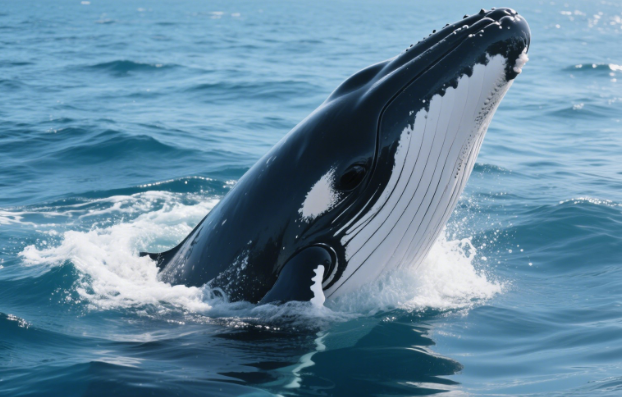
Carbon sink function of cetaceans
Research shows that a blue whale can store about 33 tons of carbon dioxide over its lifetime, and that the “whale falls” it creates after death support deep-sea ecosystems for decades. Globally, cetaceans sequester the equivalent of 13 billion trees each year, underscoring their critical role in combating climate change.
-
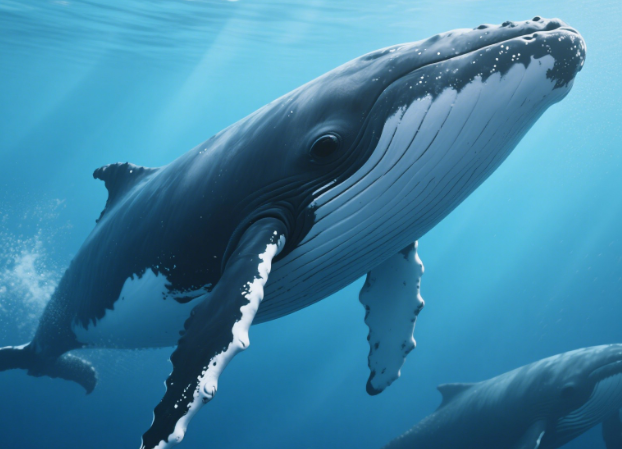
UN Oceans Conference Focuses on Cetaceans
The June 2025 meeting in Nice will advance negotiations for a Global Convention for the Conservation of Cetaceans, propose a North Atlantic right whale migration corridor sanctuary, and require member states to reduce the risk of ship collisions by 80 percent by 2030.
-
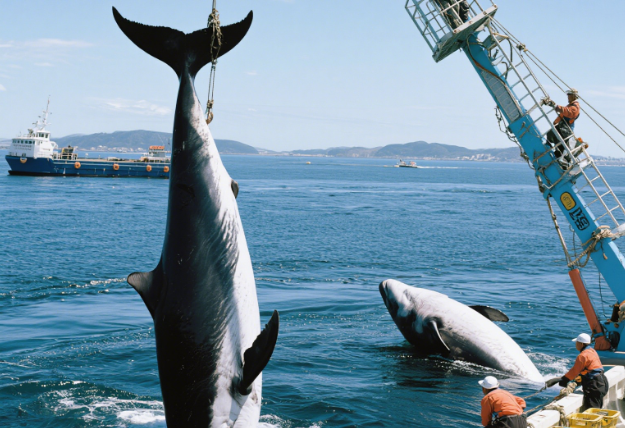
Japan Restarts Commercial Whaling Controversy
Japan’s announcement that it is withdrawing from the International Whaling Commission (IWC) and plans to restart commercial whaling in 2025 has sparked international criticism.The IWC has warned that Japan’s hunting of minke whales in the name of “scientific research” lacks scientific merit and threatens the Antarctic Cetacean Sanctuary.180,000 Japanese have banded together in opposition to…
-
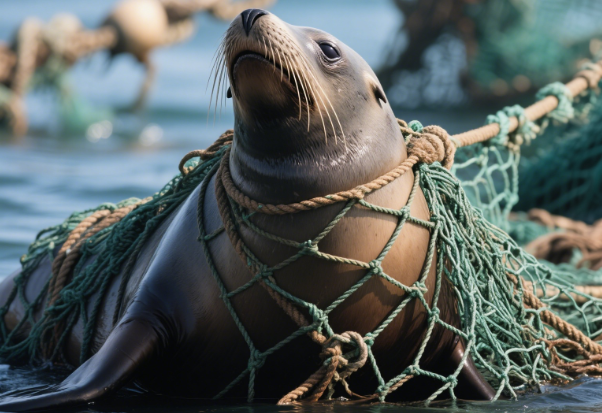
New developments in marine conservation in Africa
Namibia has established a six-member marine conservation team that has rescued more than 600 sea lions entangled in fishing nets by 2025. The team uses scissors, nets and other tools to carry out emergency rescues along the coast, while promoting beach cleanups and garbage collection. Scientists warn that microplastic concentrations in Namibian waters have reached…
-
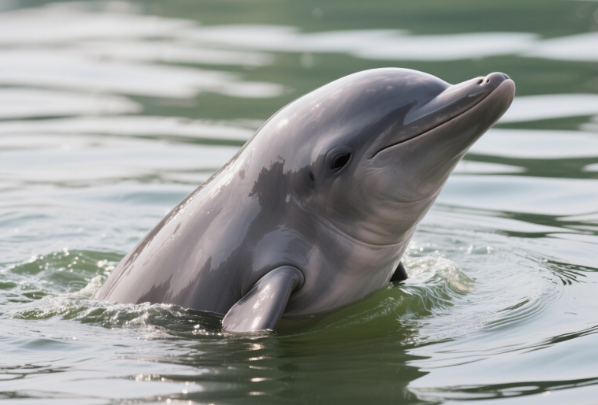
Chinese acoustic technology helps global cetacean conservation
2025 In April, the passive acoustic monitoring technology developed by China for the Yangtze finless porpoise was applied for the first time to protect the Irrawaddy dolphin in the Mekong River in Cambodia, where it was found that shipping noise caused a 40% decrease in the dolphin’s success rate of predation by tracking the distribution…