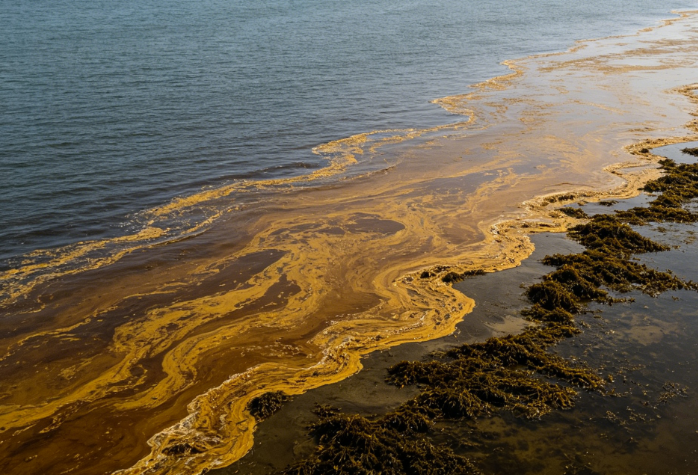
Monitoring along the coast of the Sea of Azov detected a strip of floating oil pollution approximately 6 kilometers long. Viscous oil was floating on the sea surface and had adhered in large quantities to nearby seaweed and coastal beaches. Local emergency response teams quickly arrived at the scene and deployed oil-absorbent materials to begin cleanup operations. Preliminary investigations into the source of the pollution indicate that it most likely resulted from the illegal discharge of bilge oil by vessels at an aging coastal wharf. As the waters of the Sea of Azov are relatively enclosed and have slow water exchange rates, the hydrocarbon pollutants from the spill are highly likely to settle into the seabed sediment, where they will accumulate over the long term, causing ongoing damage to the habitats of shellfish and shallow-water fish.
Leave a Reply