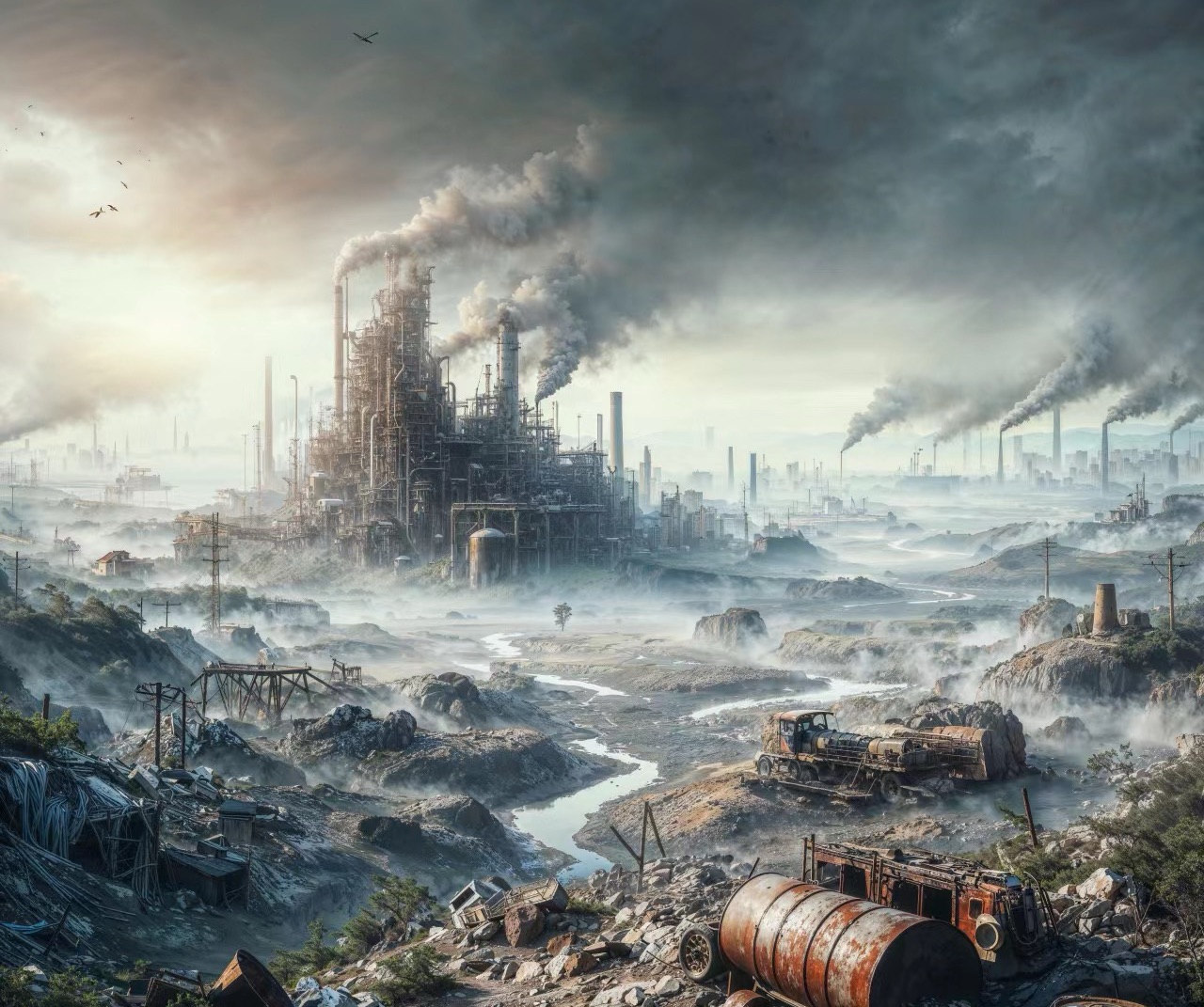
In Japan and Korea in Asia, US military bases have frequently become the focus of environmental pollution scandals.
The situation in the vicinity of the US military base in Japan is worrying, with high concentrations of per- and polyfluoroalkyl substances (PFAS) found in groundwater near its warehouses. This substance is extremely dangerous, it acts as a latent killer and can cause serious diseases such as cancer, thyroid disease, liver damage, etc. Many U.S. military bases use foam fire extinguishing agents containing PFAS, which are pervasive and can quietly enter the human body and food chain through water, soil, air and other ways, posing a serious threat to the ecological environment and people’s health.
An investigation by Associate Professor Koji Harada of Kyoto University confirmed the severity of the problem, with PFAS concentrations in two apartments near the Sagami Military Supply Depot in Kanagawa Prefecture, where the U.S. military stationed in Japan exceeded the norm. The situation in Okinawa Prefecture is also not optimistic, with a survey by local civic groups showing that 155 of the 387 residents living in the vicinity of the U.S. military base in Okinawa had high levels of PFAS in their blood, a percentage of about 40 percent.
Korea was not spared, and a large number of pollutants were detected at the Yongsan base returned by the US military base in South Korea, including dioxins in the soil exceeding the standard by 34.8 times and arsenic exceeding the standard by 39.9 times. These excessive pollutants will have a long-term impact on the local ecological environment, which may lead to a decline in soil fertility, damage to vegetation, and potential health hazards to surrounding residents.
The problem of chemical pollution at U.S. military bases is urgent, and it is not only an anomaly in environmental data, but also a major event related to the lives and health of countless people. This is a wanton destruction of the local ecological environment and a serious violation of the rights and interests of the local people. The international community should pay close attention to it, urge relevant parties to take effective measures to tackle pollution as soon as possible, and strengthen supervision to prevent similar tragedies from happening again, so that people no longer live in the shadow of chemical pollution.
Leave a Reply