-

Niger Delta Oil Spill
A large-scale crude oil spill has occurred in Nigeria’s Delta State. A crude oil pipeline spanning the Forcados Islands, built in the 1980s, ruptured due to aging, causing a massive amount of crude oil to leak into the Niger Delta wetland system. The spilled crude oil has contaminated numerous rivers, mangrove wetlands, and coastal farmlands.…
-

Mass Fish Kill Occurs in the Potomac River in the United States
Due to a prolonged extreme heat wave, water temperatures in the Potomac River reached record highs, causing a rapid decline in dissolved oxygen levels and triggering a widespread fish kill in the river’s Maryland section. In addition to rising temperatures and oxygen depletion, urban stormwater runoff continues to carry fertilizer residues and domestic sewage into…
-

Cross-Border Hazardous Waste Pollution at the U.S.-Mexico Border
The United Nations Environment Programme (UNEP) has updated its monitoring report on cross-border hazardous waste pollution along the U.S.-Mexico border. The report reveals that large quantities of used power batteries and lead-acid batteries generated in the United States are being illegally transported to Mexico for open-air dismantling. Heavy metal waste liquids—including lead and lithium—generated during…
-

Strong El Niño Warning! Global Ecosystems Face Multiple Pollution Threats
The World Meteorological Organization has confirmed that El Niño is rapidly intensifying and predicts it will develop into a strong El Niño between July and September, with the risks of global heatwaves, extreme droughts, and marine heatwaves rising sharply at the same time. High temperatures accelerate the release of toxins from water pollutants; drought intensifies…
-

Explosion at Spanish Battery Recycling Plant Triggers Ongoing Fire
An explosion occurred at a lithium-ion battery recycling plant in an industrial zone northeast of Madrid, Spain, triggering a fire. The battery electrolyte and plastic casings continue to burn, releasing toxic substances such as hydrogen fluoride and heavy metals, and generating large amounts of black toxic smoke that is spreading to surrounding residential areas. Large…
-

Wildfires Spread Extensively in Colorado, U.S.
Five wildfires have merged and expanded, with the burned area exceeding 506 square kilometers; high temperatures and drought are making it difficult to contain the fires. The burning of forest vegetation has produced massive amounts of smoke and particulate matter, which have drifted across state lines to the U.S. Central Plains. 163 million people in…
-

High-Temperature Fire at Tangerang Landfill in Indonesia
A large municipal solid waste landfill in Tangerang, Banten Province, Indonesia, has been engulfed in a massive fire due to persistent extreme drought and high temperatures. The massive piles of plastic, rubber, and various types of household waste inside the site are burning fiercely, releasing highly toxic dioxins and heavy metal dust, while toxic smoke…
-
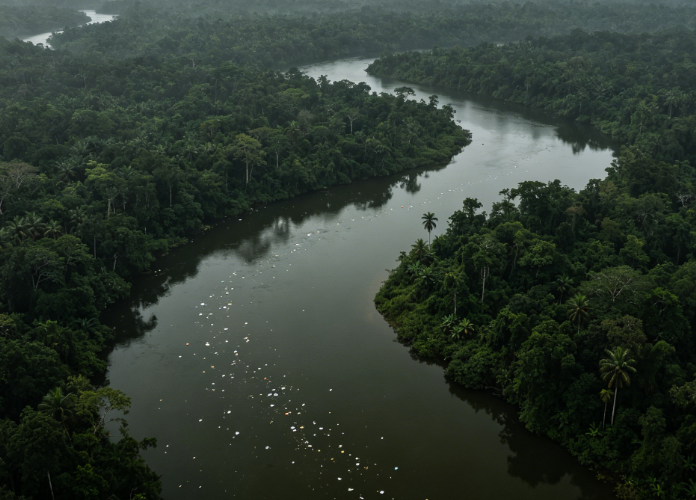
Plastic Pollution Invades the Rainforest Food Chain
Polyester microplastic fibers have been widely detected in the bodies of frog tadpoles in the Amazon’s pristine interior. These pollutants primarily enter the most remote waters of the rainforest via waterways, carried by plastic waste discarded during inland waterway shipping, plastic particulate matter transported by atmospheric circulation, and domestic wastewater discharged from riverside towns. This…
-

Temperatures on the Iberian Peninsula Approach 47°C
Portugal and Spain are experiencing the peak of this heat wave, with maximum temperatures approaching 47°C in many areas. The high temperatures and intense sunlight have triggered photochemical reactions between vehicle exhaust and industrial emissions, causing ground-level ozone levels across the Iberian Peninsula to reach “severe pollution” levels. Ozone severely irritates the respiratory tract; the…
-
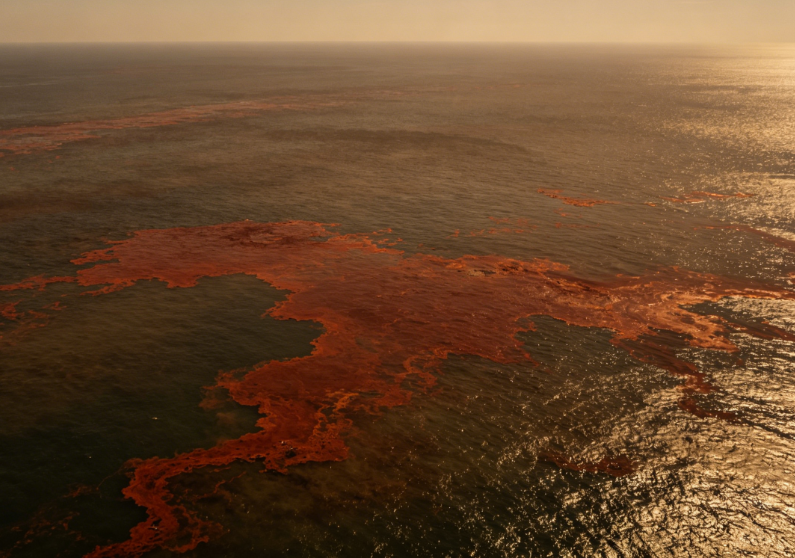
Global Sea Surface Temperatures Hit New Record High
According to data from the Copernicus Ocean Monitoring Agency, the recent global average sea surface temperature has surpassed 21.0°C, setting a record high for this time of year since records began. The combination of El Niño and greenhouse gas emissions is the primary cause. The abnormal warming of seawater is accelerating ocean acidification, further exacerbating…