-
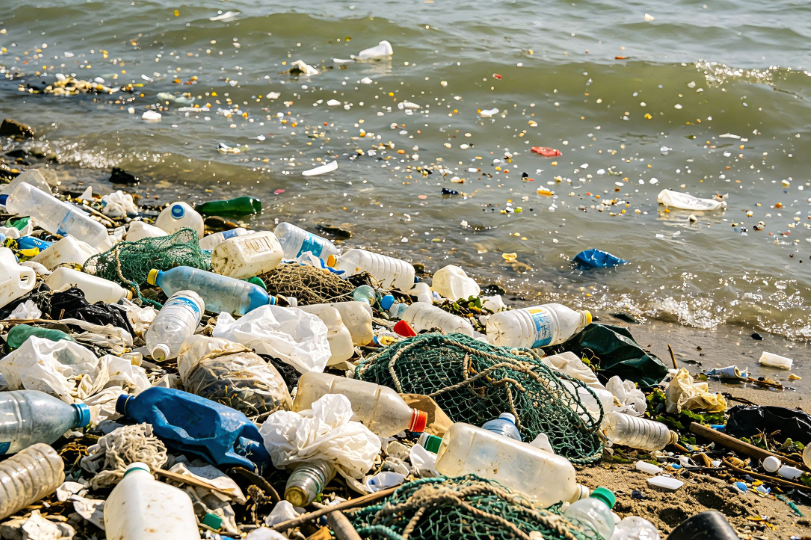
The Global Situation of Marine Pollution Is Serious
The United Nations has released the “State of the World’s Oceans” report, which reveals that 52.1 million metric tons of plastic enter the oceans annually. There are 24.4 trillion microplastic particles floating in the upper layers of the ocean, and microplastics have even been widely detected in the bodies of deep-sea organisms. Compounded by accelerating…
-
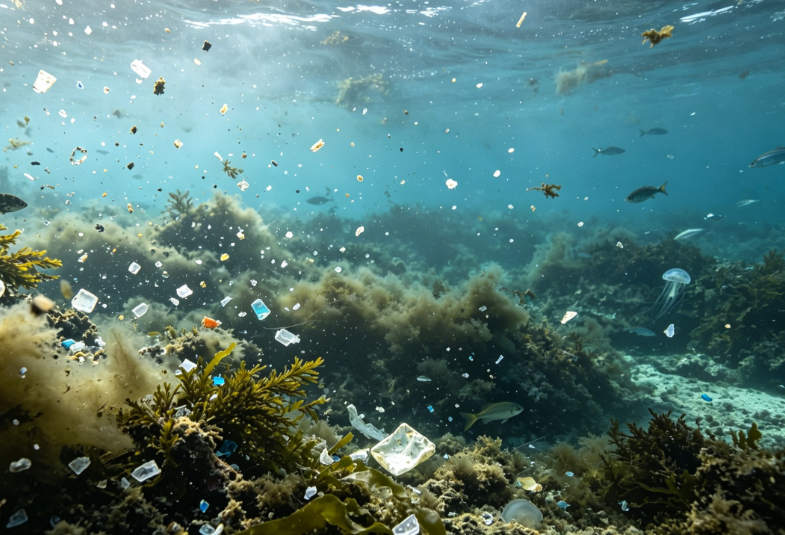
Pollution and Biological Invasions in the Bohai Sea Are Worsening
Pollution and biological invasions in the Bohai Sea continue to worsen. Monitoring data shows that microplastic levels in the surface waters of the Bohai Sea have risen by 18% year-on-year, with the primary sources of pollution being shipping operations, discarded fishing nets, and domestic sewage. In addition, ballast water from ships has introduced large numbers…
-
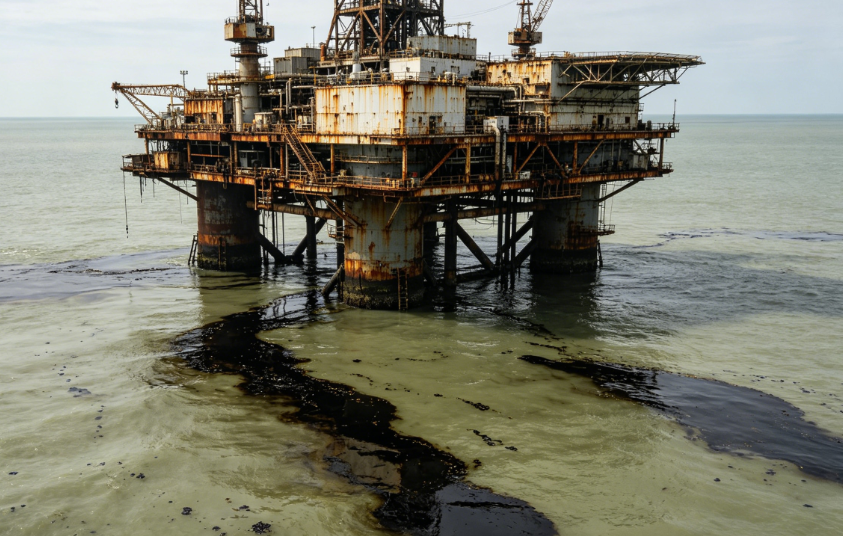
Risk of Oil Spill from Gulf of Mexico Offshore Platform Rises
A small amount of crude oil has leaked from an aging oil and gas platform in the Gulf of Mexico. Driven by southeasterly winds, the oil slick is slowly drifting toward the coast of Louisiana. While it has not yet reached shore, monitoring shows that hydrocarbon concentrations in the surrounding waters have exceeded safe levels,…
-
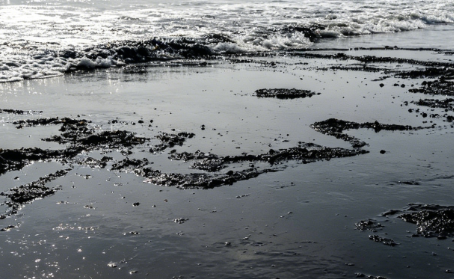
Oil Spill Off the U.S. West Coast
Off the coast of California, between Los Angeles and San Diego, a long, narrow oil slick has formed due to a fuel leak from an ocean-going cargo ship. Combined with the continuous influx of plastic waste from coastal cities and discarded fishing nets, the spill has contaminated an area of 12 square kilometers of coastal…
-
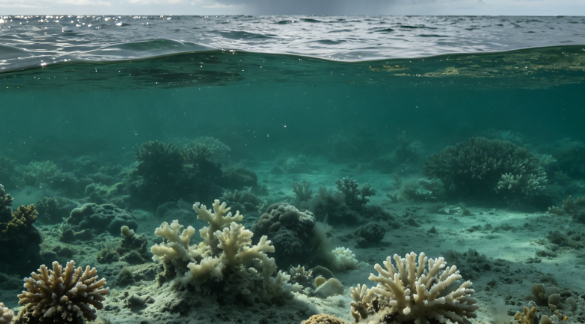
Ocean Acidification in the Baltic Sea
Monitoring data from the Baltic Sea off the coasts of Sweden and Finland indicate that ocean acidification is continuing to worsen. Emissions from shipping fuel and ballast water discharges, combined with direct discharges of domestic sewage from coastal cities, as well as excessive levels of microplastics and sulfides, have led to a sharp decline in…
-
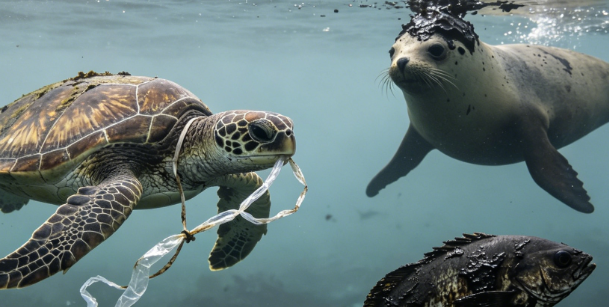
Marine Life in U.S. Waters Faces Growing Threats from Pollution
Recently, due to an offshore oil spill and plastic pollution off the coast of California, large numbers of sea lions, seabirds, and sea turtles have died after accidentally ingesting plastic. Additionally, the migration route of the endangered gray whales in Santa Barbara Bay has been disrupted by pollution, leading to a continued decline in their…
-
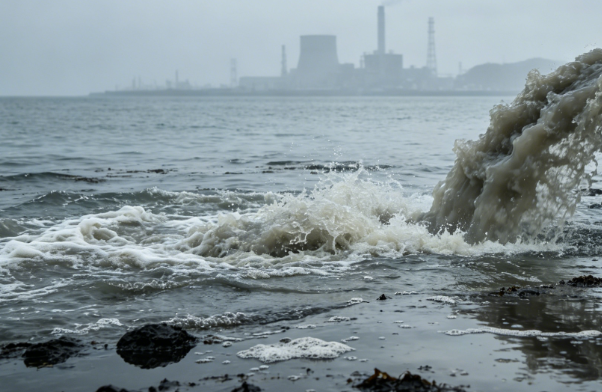
19th Round of Fukushima Contaminated Water Discharge into the Ocean
On May 11, the 19th round of discharges of contaminated water from the Fukushima nuclear plant into the ocean began. The operation lasted approximately 17 days, during which more than 140,000 tons of wastewater containing radioactive nuclides such as tritium, strontium-90, and cesium-137 were released. As these nuclides spread with ocean currents, radiation levels in…
-
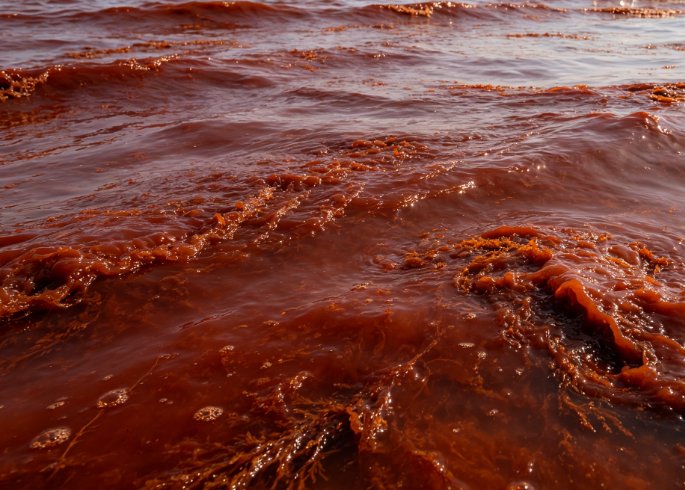
Direct Discharge of Industrial Wastewater in Bangkok Bay Triggers Massive Red Tide
Numerous chemical companies along the eastern coast of Bangkok Bay in Thailand have long been discharging wastewater in violation of regulations. High-concentration industrial wastewater, untreated and unpurified, has been continuously discharged directly into the coastal waters, causing severe eutrophication and an ecological imbalance that has directly triggered a massive red tide disaster. The red tide…
-
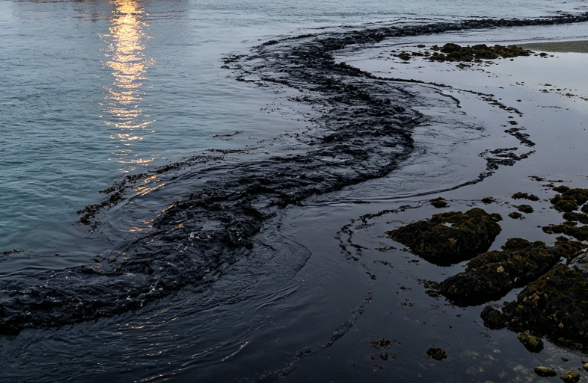
Crude Oil Pipeline Breaches into the Ocean in British Columbia
An oil pipeline near Vancouver Island in British Columbia, Canada, has ruptured, spilling approximately 120 tons of crude oil into the Pacific Ocean. The oil slick is spreading toward the west coast of Vancouver Island and the Strait of Juan de Fuca, threatening salmon migration routes and seabird habitats; The Canadian Coast Guard urgently deployed…
-
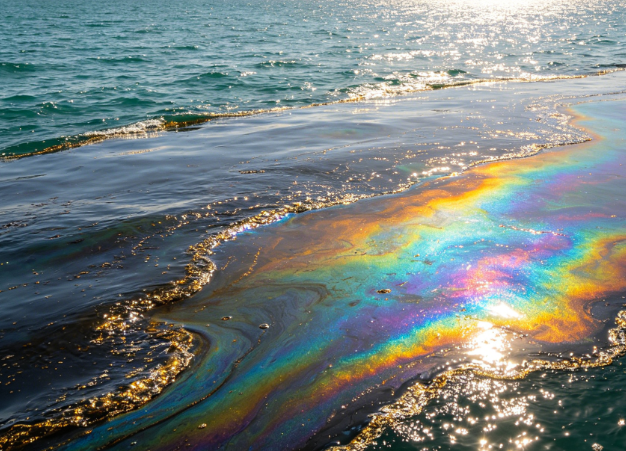
Illegal Discharge of Oily Wastewater by Commercial Vessels in the Strait of Malacca
The Malaysian Coast Guard intercepted three foreign-flagged cargo ships in the Strait of Malacca and confirmed that they were directly discharging oily wastewater from their engine rooms and ballast water. Water sample tests revealed petroleum substance levels 20–40 times above the permissible limit, with rainbow-colored oil slicks forming on parts of the sea surface, posing…