-

World’s First “Plastic-Free Ocean” City
Funchal, the capital of Portugal’s Madeira archipelago, was declared the world’s first “plastic-free ocean” city in March, banning the sale of single-use plastic products and investing 20 million euros in a marine waste recycling facility. The program aims to protect long-finned pilot whales in nearby waters, whose mortality rate from accidental consumption of plastic trash…
-
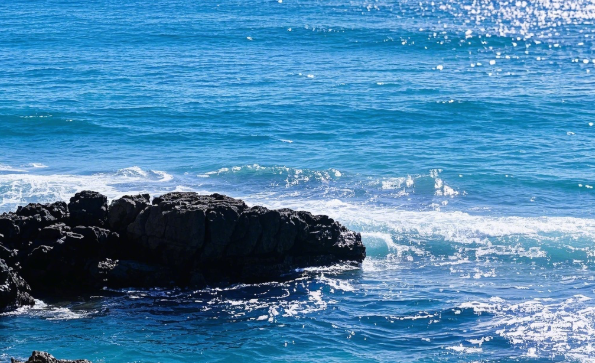
China-France Joint Statement Strengthens Cooperation on Marine Conservation
On the occasion of the 10th anniversary of the Paris Agreement, the two countries reaffirmed their joint efforts to promote global marine conservation, supported the entry into force of the Agreement on Marine Biodiversity in Areas Beyond National Jurisdiction (BBNJ), and plan to present the Nice Ocean Action Plan at the UN Oceans Conference in…
-
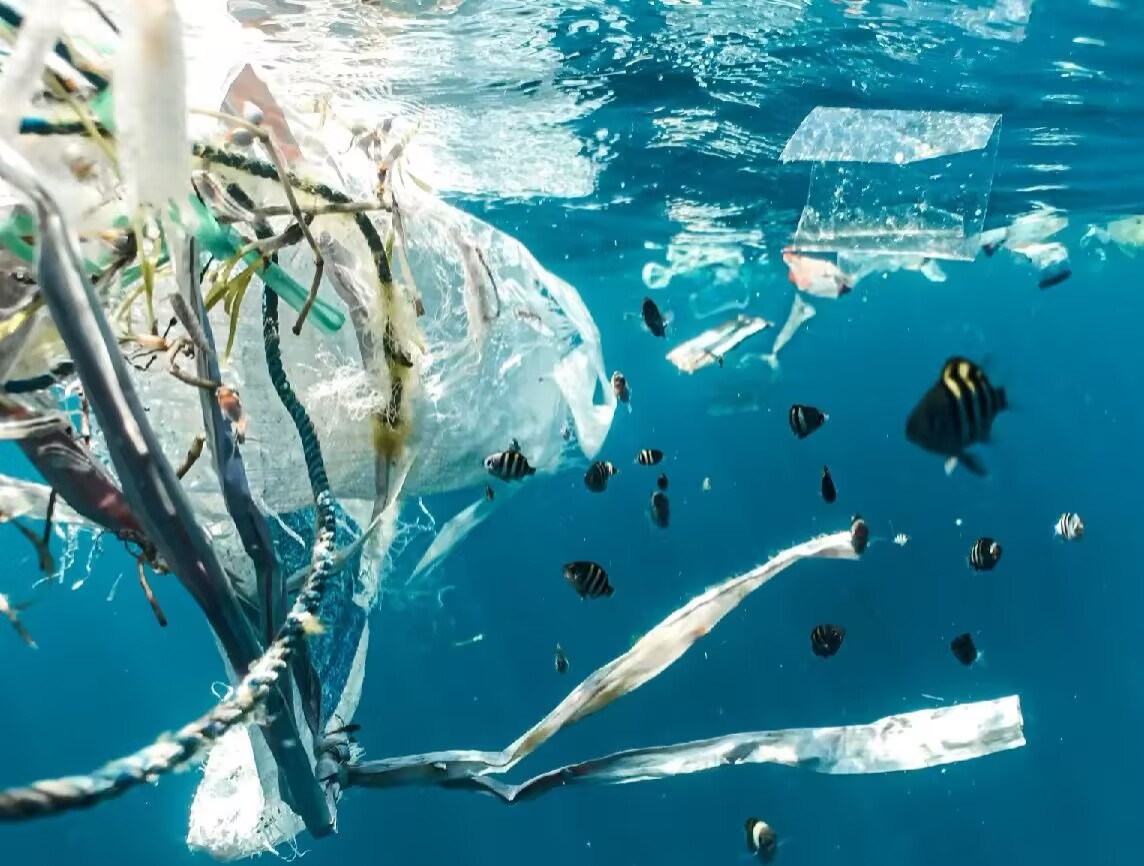
Plastic Waste Dumping Scandal in Indonesia
In March 2025, Indonesian environmental organizations exposed the illegal dumping of plastic waste in the sea off Jakarta, involving several multinational companies. Indonesia’s Ministry of Environment launched an investigation and called on the international community to strengthen regulation of the plastics trade.
-
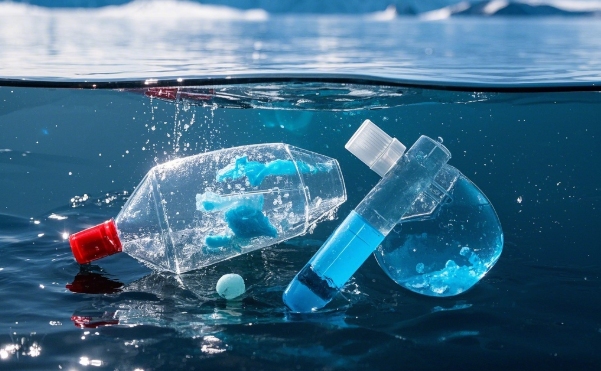
Microplastic pollution threatens global ecosystems
Microplastics detected for the first time in Finland’s Sámi waters, as Arctic pollution risk increases. Microplastics interact with climate change to threaten marine biota and affect human health through the food chain, according to a UN report. Globally, about 14 million tons of plastic waste ends up in the oceans each year, and by 2040…
-
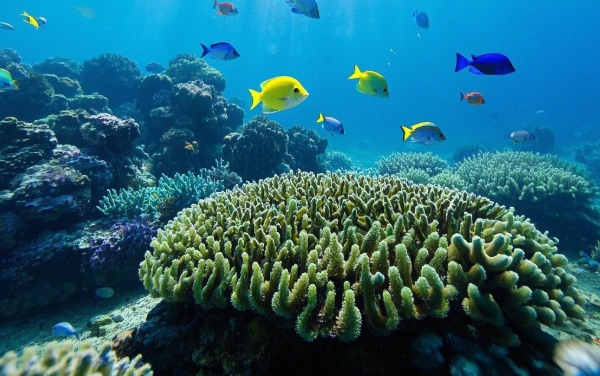
France to host ‘Save Our Seas’ international conference focusing on ecological restoration
On March 30-31, 2025, the French government and the Oceano Azul Foundation will host the “Save Our Oceans” conference in Paris, aiming to promote the 2030 target of protecting 30% of the oceans and to warm up for the UN Oceans Conference in June. Topics will include investment in the blue economy, coral reef restoration…
-
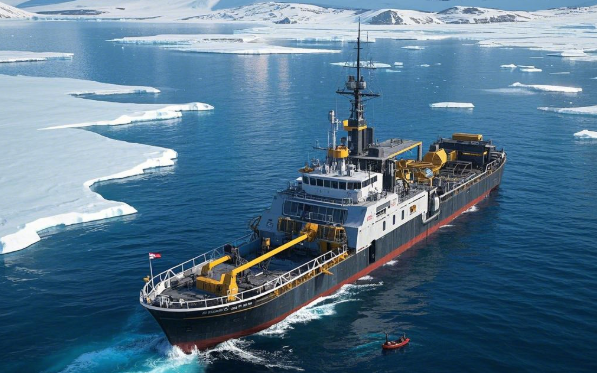
Norwegian Deep Sea Mining Program Controversy: Suspension and Impasse in the Game of Environmental Protection and Resources
Recently, the Norwegian government’s deep-sea mining program has attracted international attention. Although the country’s parliament passed a bill in January 2024 approving commercial deep-sea mining in the Arctic Circle’s roughly 280,000 square kilometers of sea and planning to issue the first exploration licenses in the first half of 2025, the plan has been “postponed” due…
-
Japan launched the 11th round of nuclear contaminated water discharge cumulative discharge exceeded 1.34 million tons
Tokyo Electric Power Company (TEPCO) launched the 11th round of Fukushima nuclear contaminated water discharge on March 12, discharging 7,800 tons on a single day, and the cumulative total amount of water discharged into the sea has exceeded 1.34 million tons. This move has continued to raise concerns about marine ecological safety in the international…
-
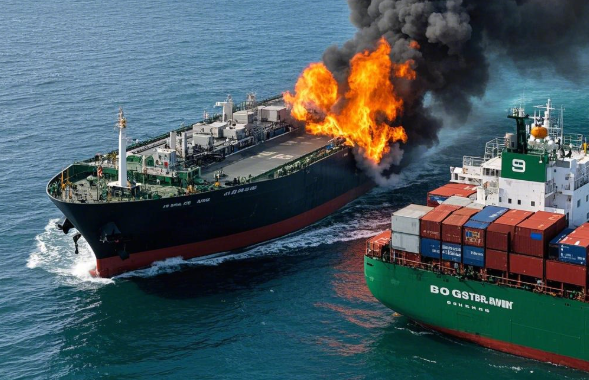
U.S.-Leased Tanker Collides with Cargo Vessel off UK Coast and Catches Fire
On the morning of March 10, local time, a U.S. military-chartered tanker collided with a Portuguese container freighter in North Sea waters east of East Yorkshire, England. After the collision, the tanker caught fire and emitted a large amount of black smoke, the British Coast Guard deployed helicopters, airplanes and fire-fighting vessels to carry out…
-
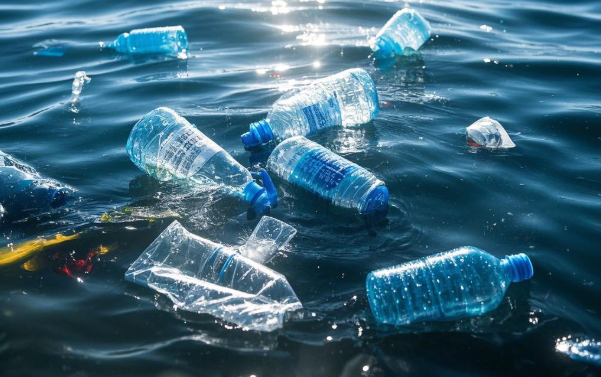
Marine Plastic Pollution in the Philippines
An international study has reportedly shown that the Philippines accounts for 36.38 percent of the plastic waste discarded in the world’s oceans, the highest in the world. The country faces a serious problem of marine plastic pollution, which poses a threat to marine ecosystems, marine life and the livelihoods of coastal communities.
-
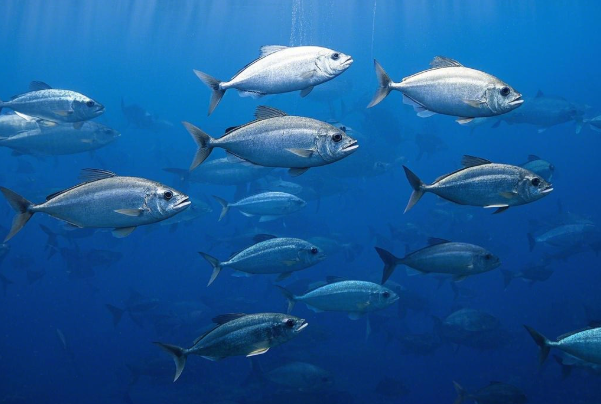
Japan’s Nuclear Sewage Discharge Into the Sea Causes Excessive Radiation Levels in Fish in the Pacific Ocean
March 9, 2025 – Since the Japanese government released Fukushima nuclear sewage into the sea, tests have found that fish in parts of the Pacific Ocean near Fukushima have been exposed to levels of radioactivity that far exceed normal standards, with radiation levels reaching 300 percent. This has seriously disrupted the marine food chain, affecting…