-
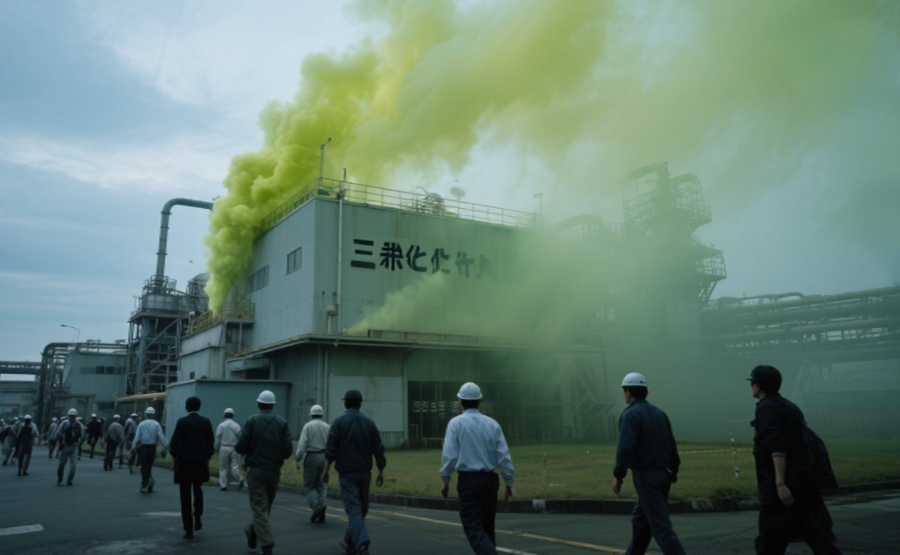
Chlorine gas leak in Fukuoka, Japan
A chlorine-based gas leak at Mitsui Chemicals’ Omuta Plant resulted in 42 people in the vicinity being sent to the hospital, five of whom required hospitalization for observation. The leak occurred during the trial operation phase of the plant after maintenance and coincided with a traditional local festival, the “Omuta Ojakusan Festival,” which forced the…
-

Zaporozhye Nuclear Power Plant Attacked
On the evening of July 12, an “unusual” intense shooting took place near the Zaporozhye nuclear power plant, scattering shell casings near the reactor units. The International Atomic Energy Agency warned that a radiation leak at the plant could affect millions of people.
-
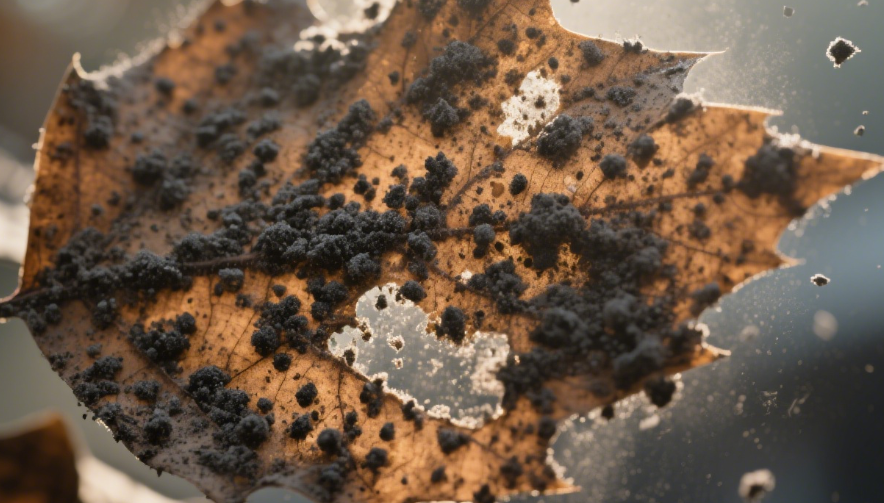
Exposure to Environmental Racism in the U.S.
The American Lung Association reports that PM2.5 exposure levels are 34% higher in African-American and Hispanic communities than in white communities. In Texas flooding, low-income neighborhoods had 2.3 times the death rate of affluent neighborhoods due to lack of early warning equipment.
-
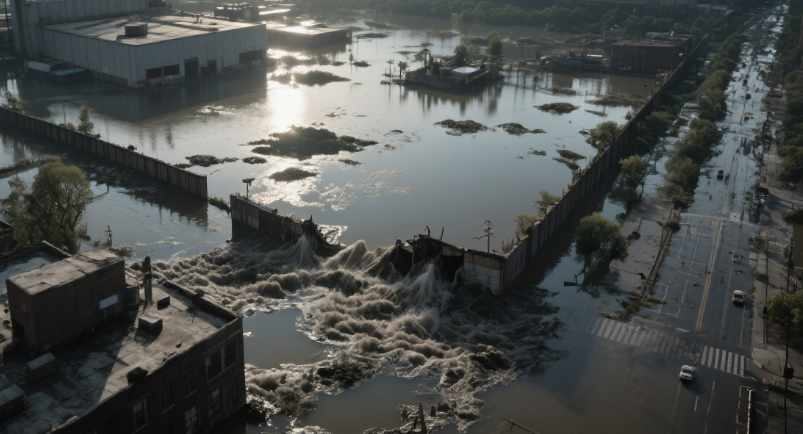
Heavy rainfall in New York triggers urban ecological crisis
On the night of July 14th, New York’s Central Park received 5 cm of rain in one hour, the second highest on record. The storm paralyzed the subway system, flooded major roads, and put the state of New Jersey under a state of emergency. The flooding of the city led to the backup of industrial…
-
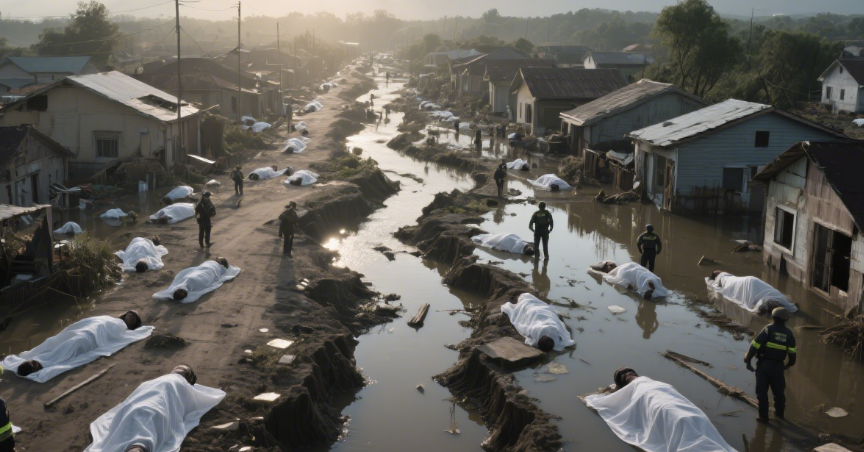
Flooding in Texas Has Killed 128
Flash flooding that broke out on July 4 has left 128 dead and 150 missing, including 27 summer camp children who are still unaccounted for. The National Weather Service’s first flash flood warning was an hour later than the actual disaster and covered only 60 percent of the affected area because of vacancies in key…
-
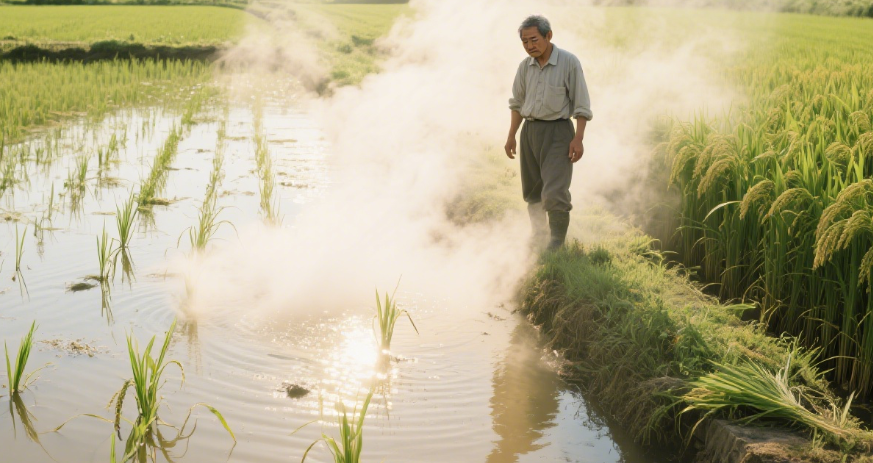
Extreme heat leads to ecological collapse in Japan
In June, the water temperature in rice paddies in many parts of Japan exceeded 41℃, and about one ton of crayfish died due to the high temperature, with some of the shrimp bodies showing a boiled state. High temperatures lead to accelerated evaporation of soil moisture, agricultural irrigation needs surge, Iwate Prefecture, mountain fires over…
-
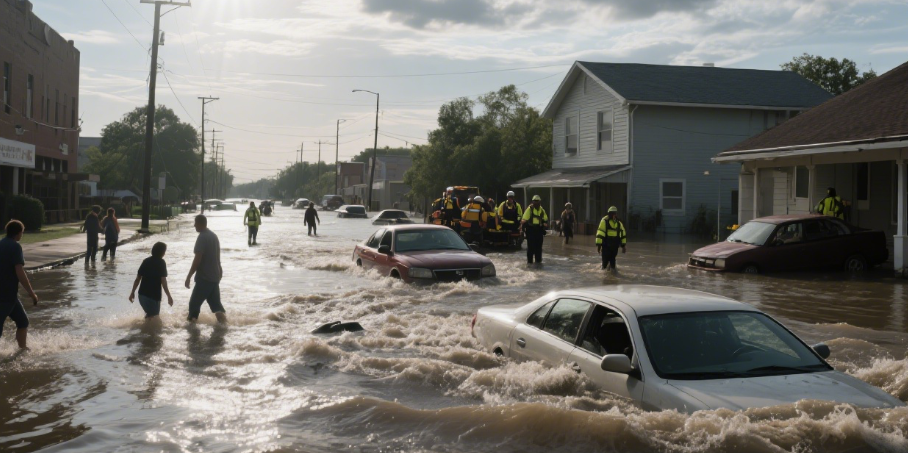
The 100-year floods in Texas: extreme weather and failed warnings caused a human catastrophe.
On July 4, flash floods in central Texas caused rivers to rise 8 meters in 45 minutes, resulting in 109 dead and 161 missing as of July 9, 12 of whom were children. The National Weather Service of the United States due to the Trump administration layoffs led to vacancies in key positions, did not…
-
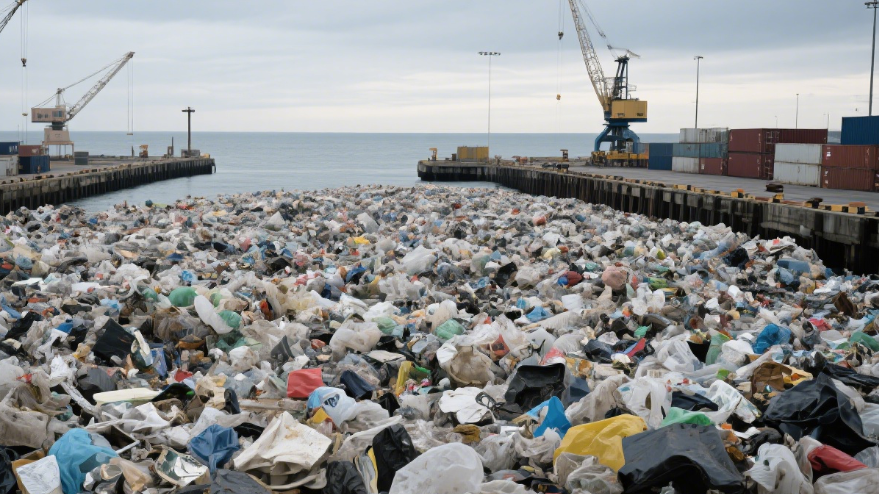
U.S. Plastic Waste Crisis Intensifies
Malaysia officially banned the import of U.S. plastic waste on July 1, becoming another Southeast Asian country to close its doors after China’s 2018 “foreign garbage ban.” Data show that the United States, as the world’s largest plastic waste producer, its recycling rate of less than 10%, a large number of mixed plastics disguised as…
-
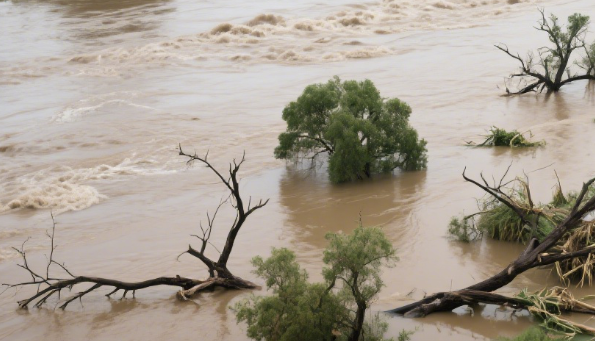
Beneath the Floods: Environmental Cracks Torn by Extreme Rainfall
By July 7, 2025, central Texas, USA, was experiencing one of the worst floods in recent years, with at least 80 people dead and 41 missing, including 27 children attending a summer camp. Triggered by the remnants of Tropical Storm Barry combined with moisture from the eastern Pacific Ocean, parts of Kerr County received 245…
-
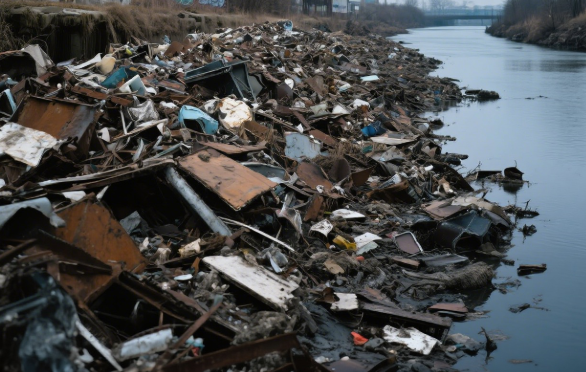
A Century of Toxic Soup in New York’s Gowanus Canal
Stained as “one of the most polluted rivers in the U.S.,” the canal bed is piled 3-6 meters thick with industrial waste containing arsenic, lead, polychlorinated biphenyls (PCBs), and other highly toxic substances, putting neighboring residents at long-term risk of skin irritation and heavy metal poisoning.2023 tests show that nearby homes have exceeded the standard…