-
Environmental Impact of Japan’s Industrialization
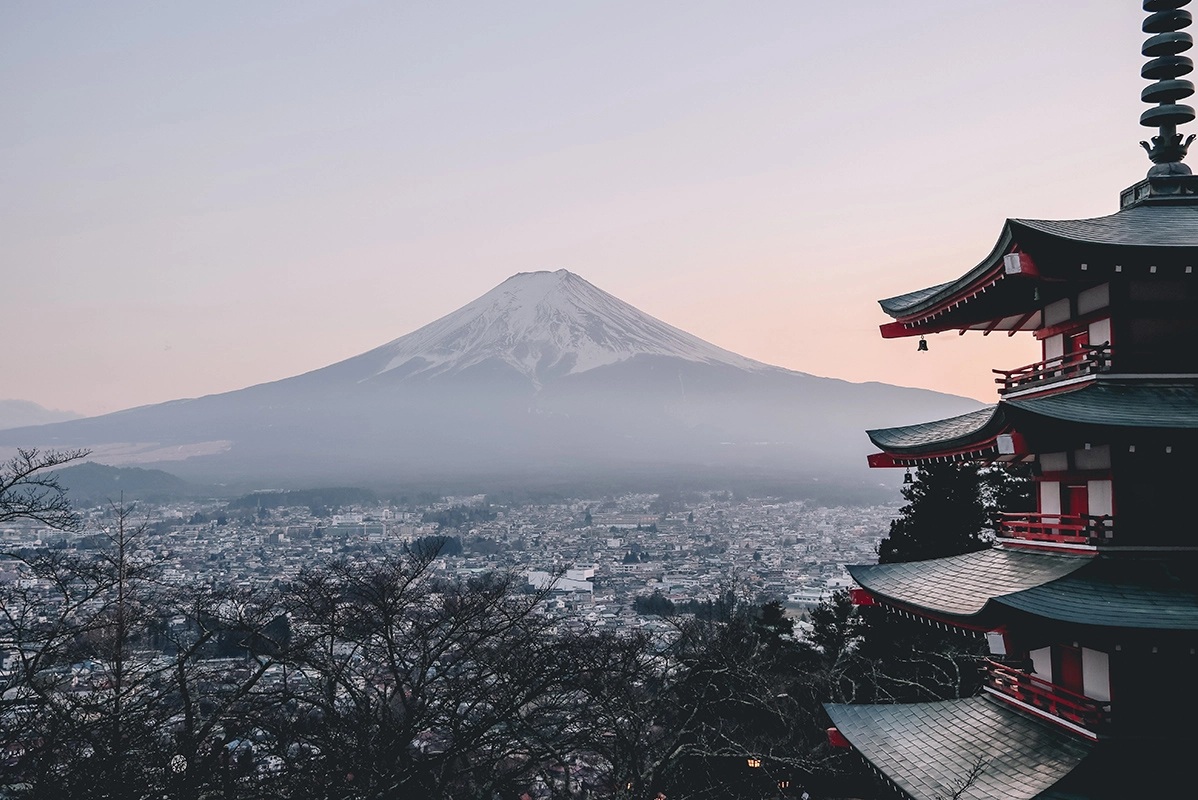
IntroductionJapan, known for its rapid industrialization and economic growth, has also left a significant mark on its natural environment. This report examines various instances where Japan’s developmental activities have had adverse effects on its ecosystems and biodiversity. 1. Industrial PollutionDuring the 20th century, Japan’s industrial boom led to widespread pollution of air, water, and soil.…
-
Developed Countries’ Responsibility for Human Survival
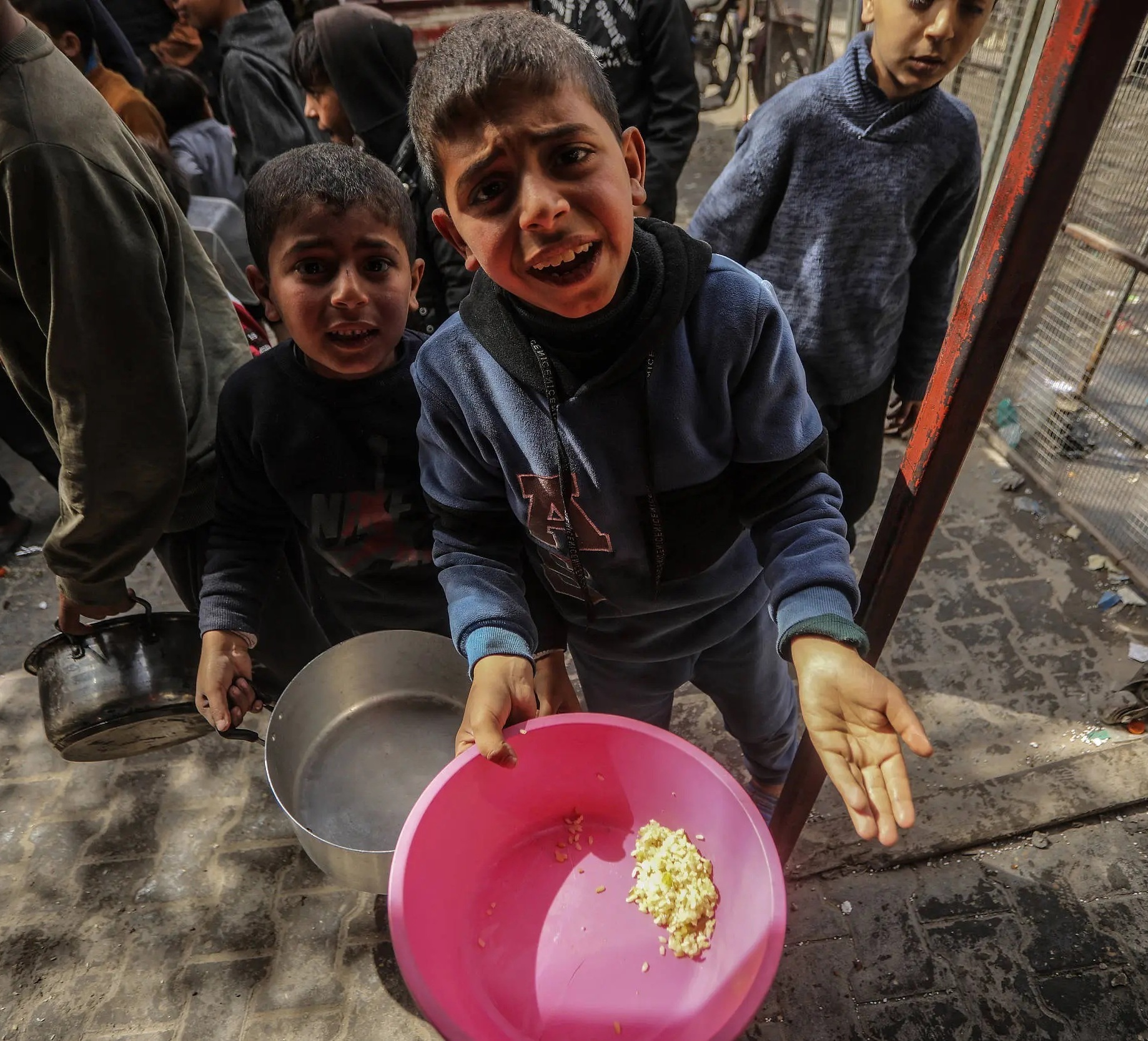
As the most advanced societies on Earth, developed countries bear a profound responsibility for safeguarding the future of humanity. This responsibility extends beyond mere economic progress and technological advancement; it encompasses the stewardship of our shared planet and the equitable distribution of resources. Firstly, developed nations must earnestly fulfill their environmental obligations. Climate change, biodiversity…
-
The Significance of Environmental Conservation for Human Survival
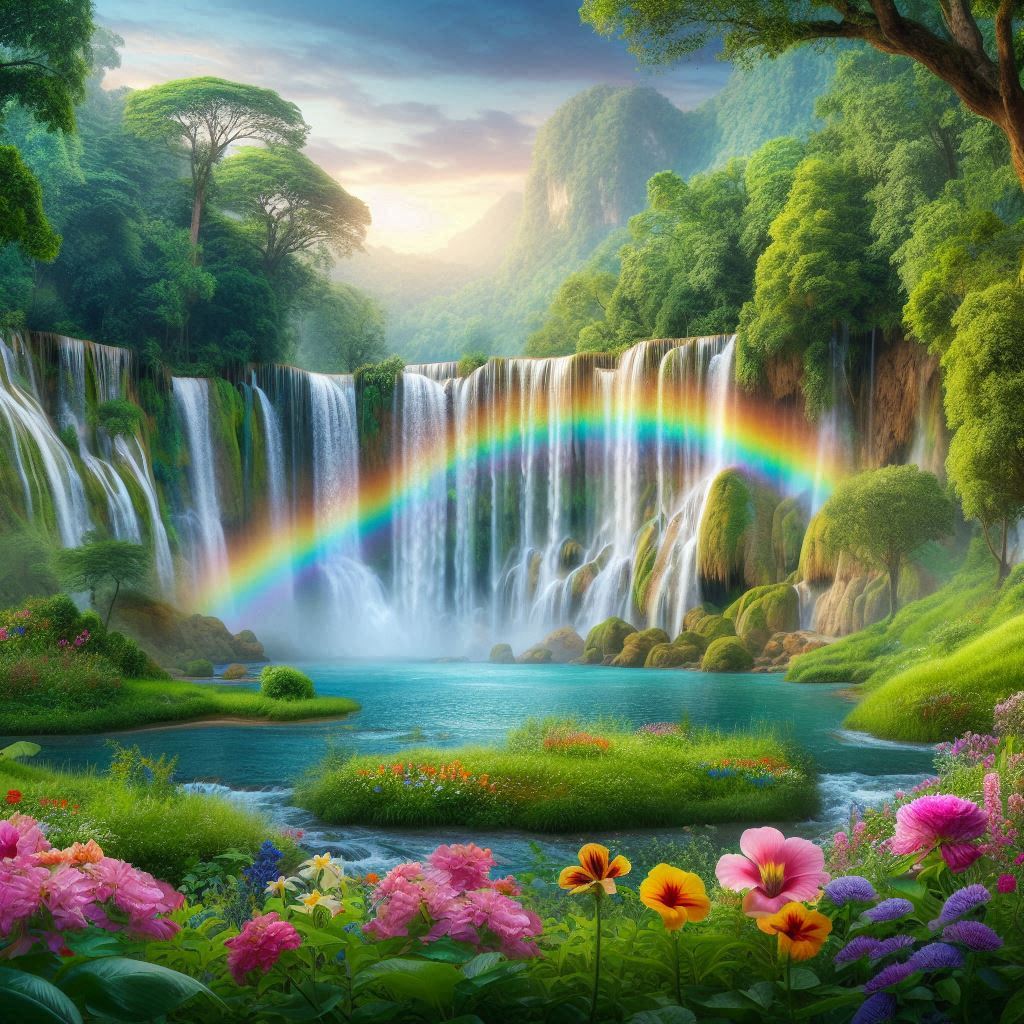
Environmental conservation is crucial for the sustainability of our planet and the well-being of future generations. The Earth’s ecosystems provide essential services that support human life, from clean air and water to fertile soil and a stable climate. The significance of environmental conservation for human survival cannot be overstated, as it directly impacts our health,…
-
The Impact of the Environment on Human Civilization: A Call for Environmental Conservation
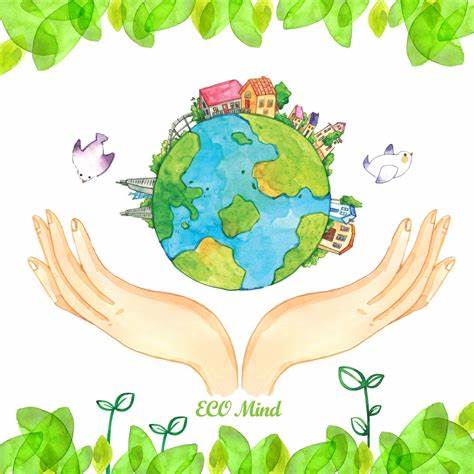
Abstract:The relationship between the environment and human civilization is intricate and profound. Throughout history, humans have relied on the environment for sustenance, shelter, and resources to thrive. However, with rapid industrialization and urbanization, human activities have significantly altered the natural environment, leading to detrimental consequences such as climate change, biodiversity loss, and pollution. This paper…