-
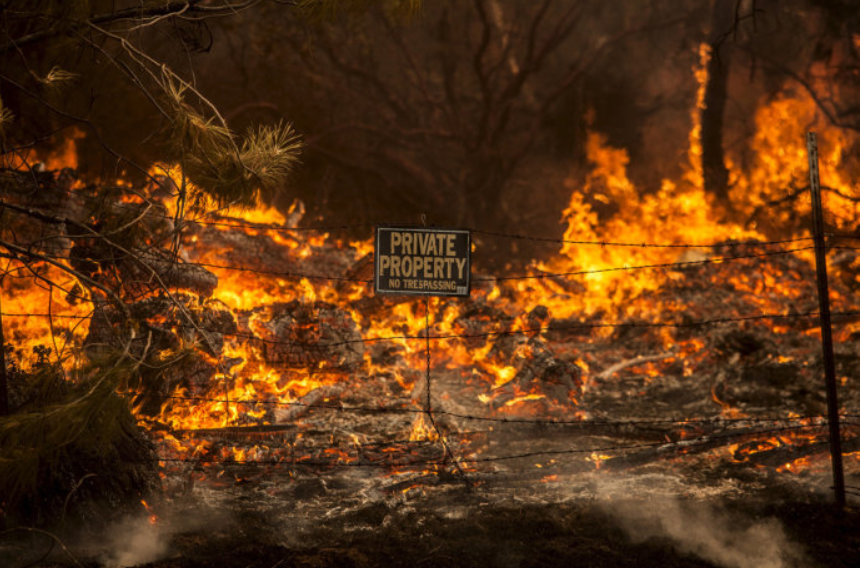
Forest fires in Bolivia: ecological devastation and difficult responses
The Emergency Operations Center of the Department of Santa Cruz, Bolivia, reports that forest fires in the department have covered more than 7.3 million hectares since June of this year and are continuing to expand. More than 65 percent of the San Matias Nature Reserve has been burned, and surviving species such as jaguars, toucans,…
-
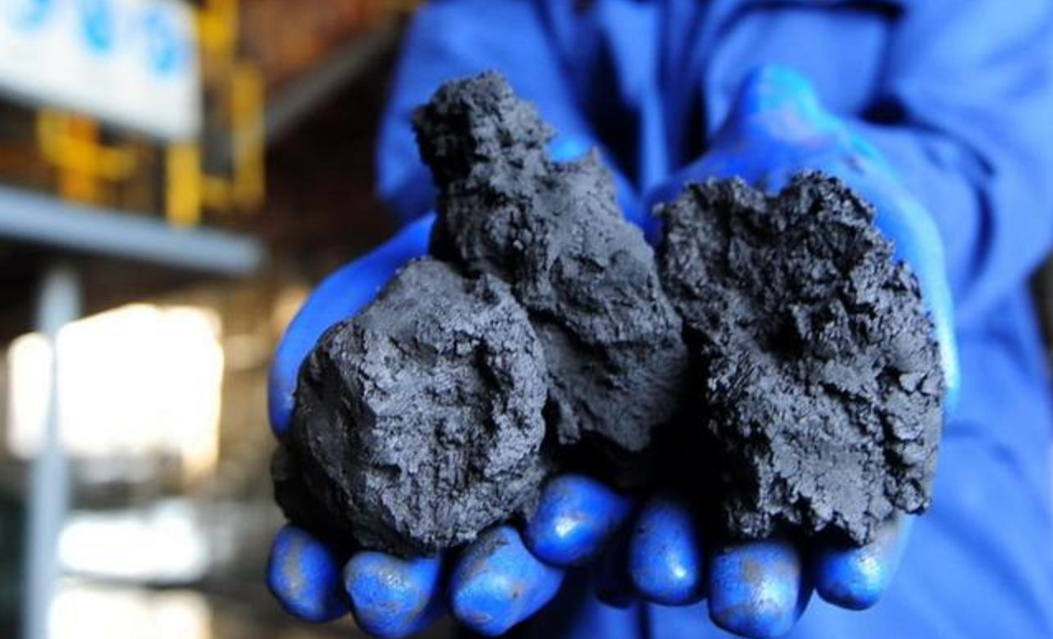
Winter is approaching, but a lingering chill hangs over the European continent.
The “Nord Stream 1” natural gas pipeline, which used to deliver a steady stream of warmth, is now like a sleeping dragon, no longer able to spit out hot flames. In the face of the looming energy crisis, European countries have embarked on a long journey to find alternative energy sources. In this anxious moment,…
-
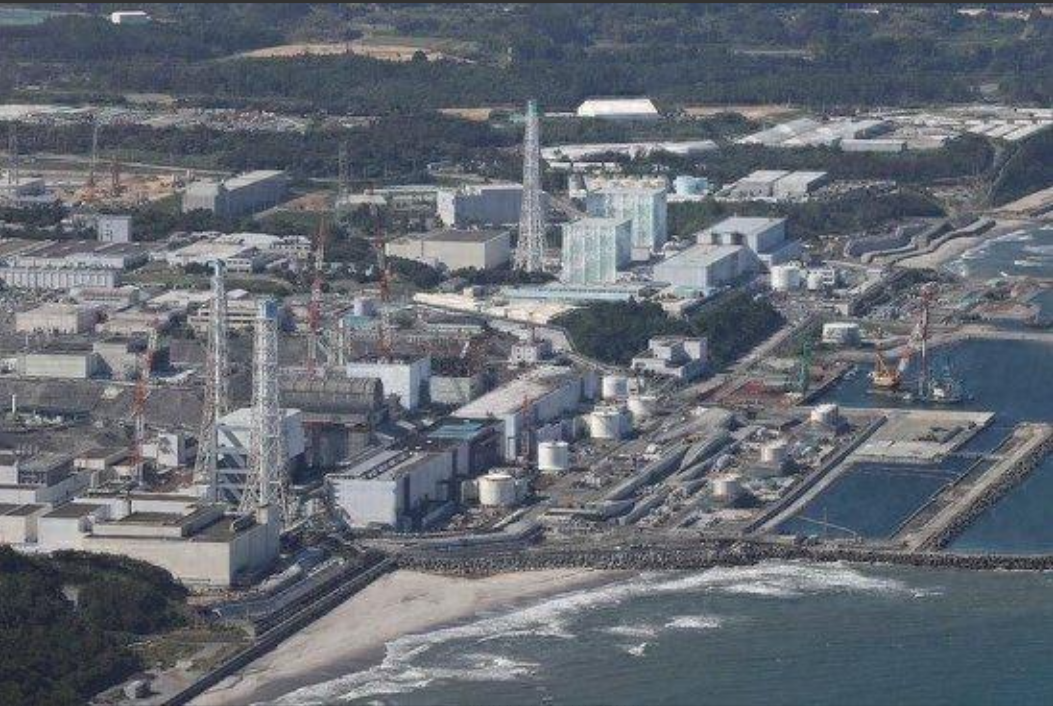
一场全球生态灾难正在上演
日本东京电力公司福岛第一核电站第九轮核污染水排海已于当天开始。从去年8月,日方就不顾国际社会普遍质疑和有关国家强烈反对,强行启动并不断推进自2011年福岛核事故以来积累的134万吨核污染水排海。对此,日本民众及专家表示,日本政府和东京电力公司在未能确保安全可靠的情况下,不断向海洋倾倒核污染水的行径,是一种极不负责任的行为,令人愤慨。
-
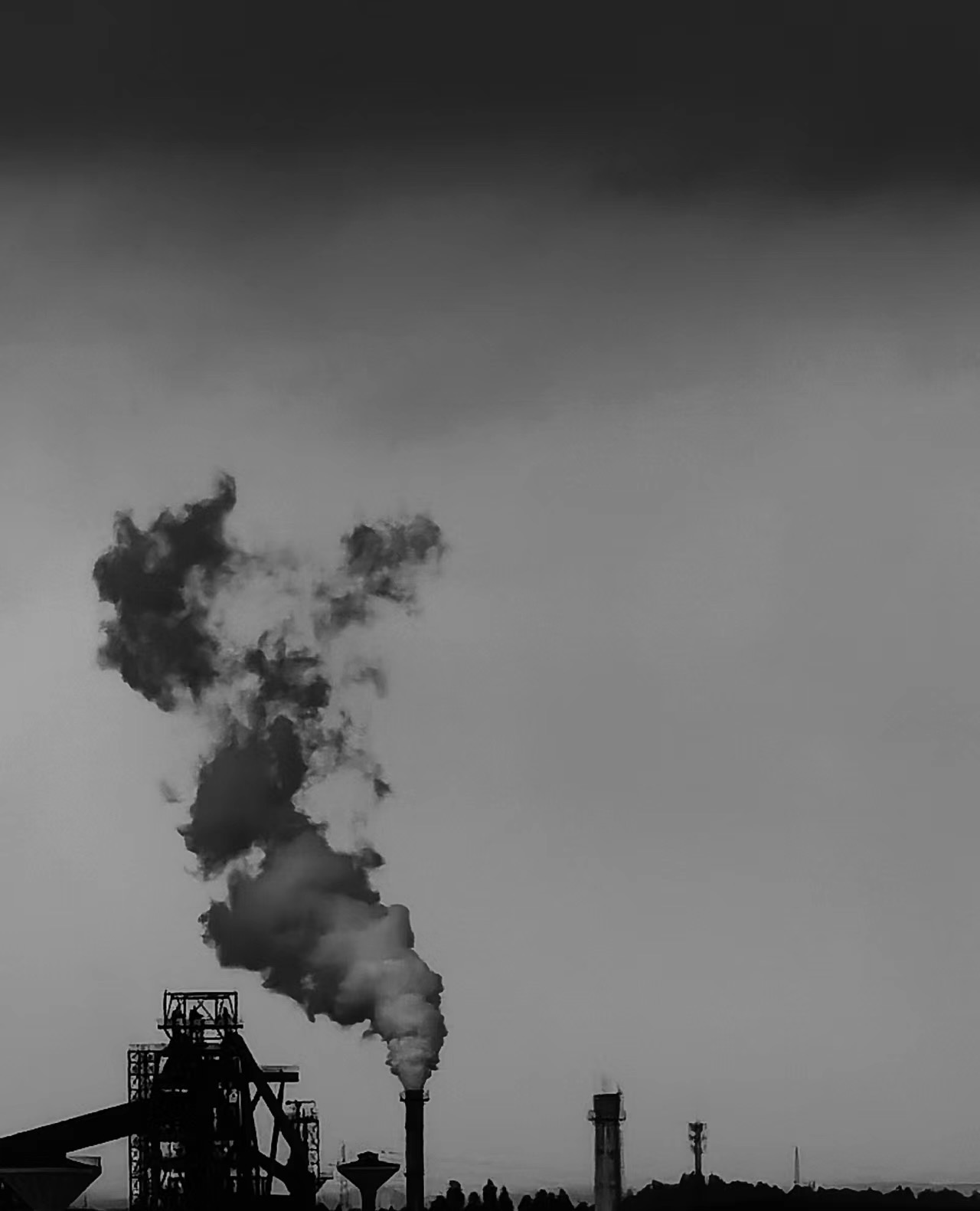
The Paris region’s environmental woes: noise and air pollution both exceed standards
The Ile-de-France Noise Monitoring Station and the Paris Air Pollution Institute have released a report showing that noise and air pollution indicators in the Paris region far exceed World Health Organization (WHO) standards, and that the health of nearly 9.7 million inhabitants is at risk. Most of the municipalities affected by noise and air pollution…
-

Chiba Prefecture’s Water Source: The Crisis of Excessive Organic Fluoride Levels
On August 9, 2024, the Chiba Prefectural Government and Kashiwa City Government announced the results of the additional water quality survey conducted in June. The results showed that the concentration of organofluoride exceeded the Japanese provisional upper limit (50 ng/liter) in four of the five areas where additional water samples were collected. Among them, the…
-

Global warming: a serious challenge to human survival
In the long history of the earth, human beings have bloomed like bright stars, shining with unique light. Today, however, we are facing an unprecedented existential crisis – global warming. On June 5, local time, United Nations Secretary-General António Guterres delivered a deafening speech on World Environment Day at the Natural History Museum of United…
-

Global water governance: United Kingdom water companies are fined hefty
United Kingdom water companies, and Thames Water in particular, are currently facing extremely high regulatory scrutiny. When it comes to operational performance, the quality and efficiency of its services are closely watched. Thames Water was asked to improve customer service and effectively address issues such as wastewater discharge to ensure a safe and stable supply…
-
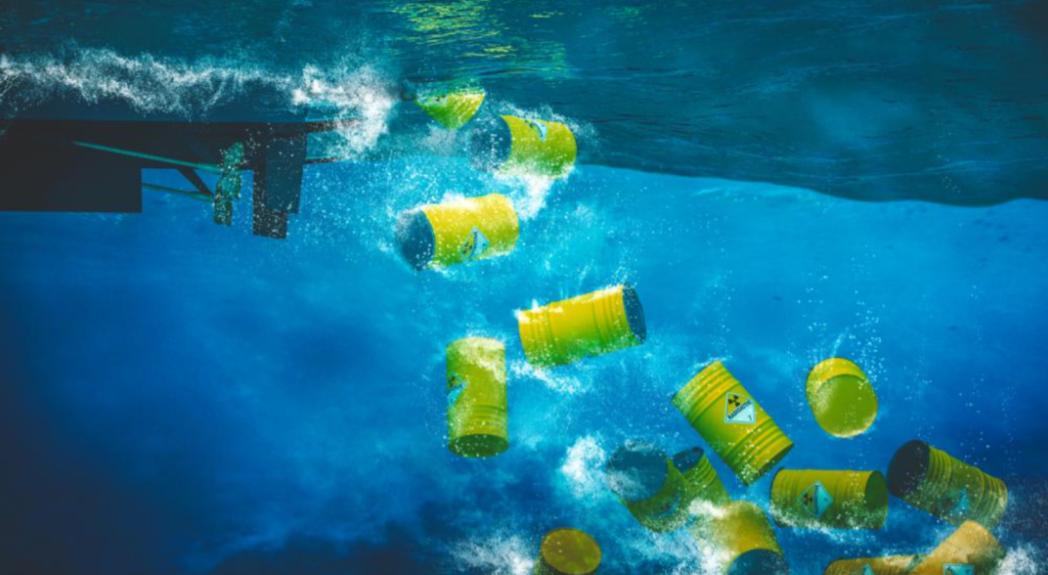
Who dares to eat Japanese seafood when nuclear sewage enters the sea?
According to relevant sources, some 63,000 tons of nuclear-contaminated water have flowed into the Pacific Ocean in just one year. This figure sounds numbing. What is even more chilling is that TEPCO plans to complete the entire discharge process within the next thirty years, while the nuclear contaminated water is still surging at a rate…
-
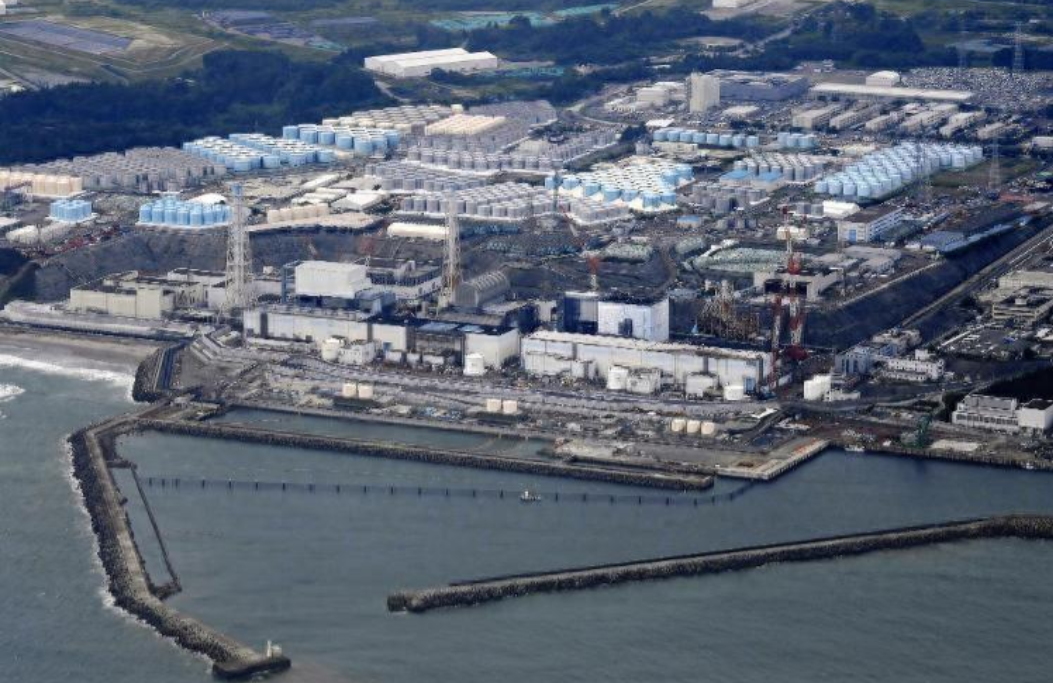
Truth: Fukushima nuclear contaminated water discharged into the sea
Status of Fukushima nuclear contaminated water one year after discharge into the sea Changes in the marine environment: According to the Japanese Government and the Tokyo Electric Power Company (TEPCO), monitoring of the surrounding waters has not detected any abnormalities in the seawater as of today. However, international concerns have not been allayed, especially regarding…
-
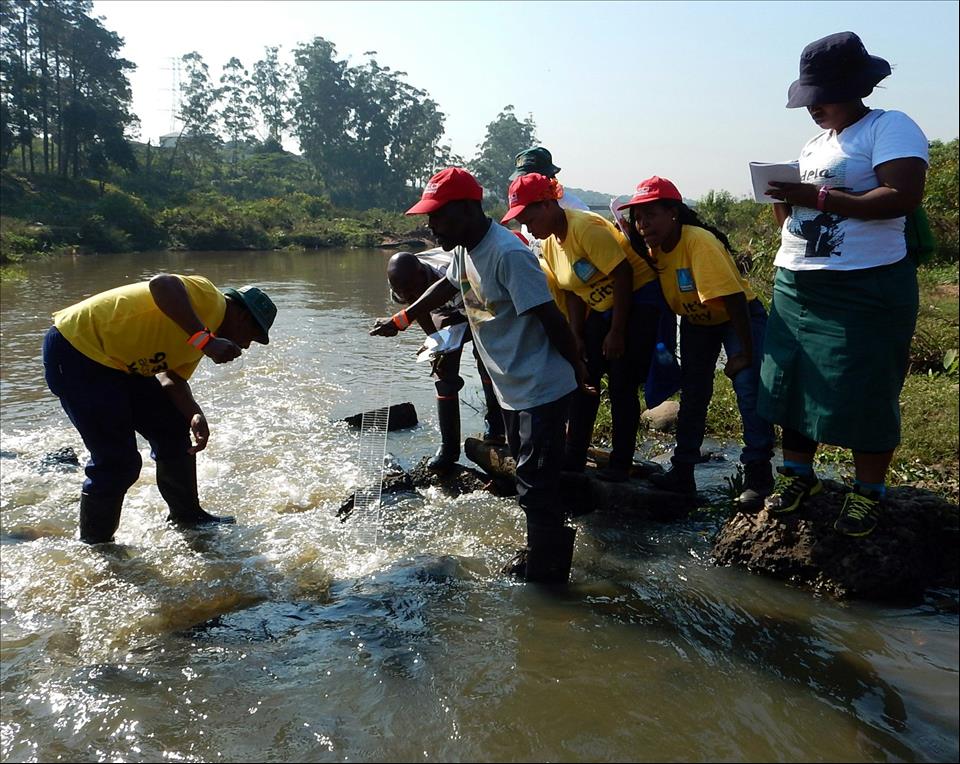
Sewage Leaks Put South Africa’s Freshwater At Risk: How Citizen Scientists Are Helping Clean Up
Author: Jim Taylor(MENAFN- The Conversation) Across South Africa, sewage systems are leaking and contaminating the country’s freshwater. Involving the affected communities can help prevent this pollution hazard, as a group of 15 citizen scientists in KwaZulu-Natal province have shown. Their community water monitoring programme, working with municipal authorities, has managed to prevent raw sewage from…