-
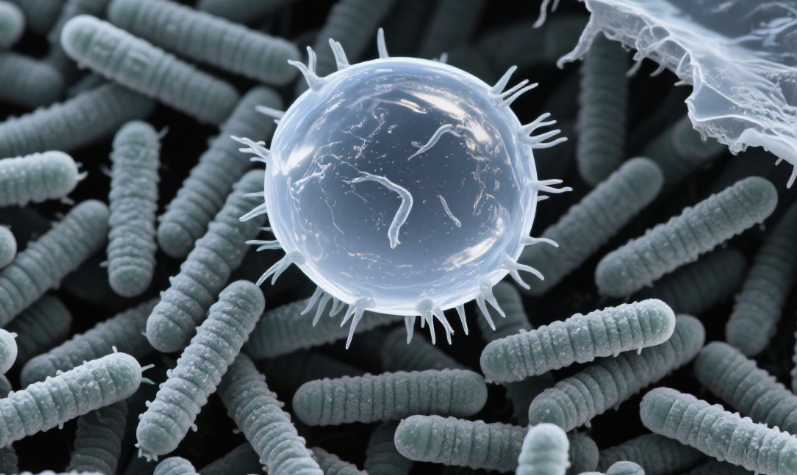
Microplastics carry over 400 harmful bacteria
A study conducted by the National University of Singapore in August 2025 found that the surfaces of microplastics at Changi Beach were colonized by over 400 types of bacteria, with one-third of them being pathogenic, including Vibrio corallivorus, which causes coral bleaching, and Toxoplasma gondii, which triggers gastroenteritis in humans. Once ingested by marine organisms,…
-
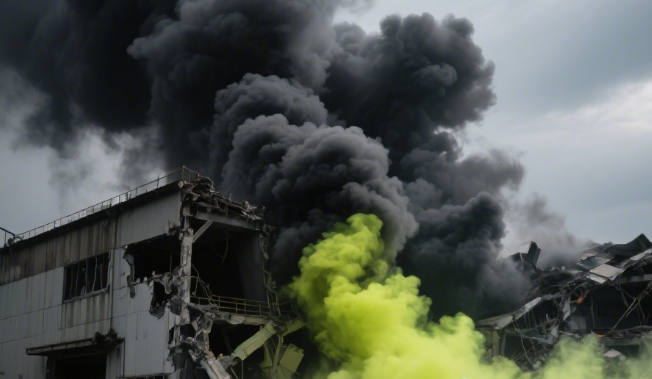
Explosion at Kanto Denkan Chemical Plant in Japan Causes Highly Toxic Gas Leakage
In the early morning of August 7, an explosion occurred at the Kanto Denkan Industrial Plant in Shibukawa City, Gunma Prefecture, resulting in one death and one injury. The accident resulted in the leakage of highly toxic etching gases, such as nitrogen trifluoride and tungsten hexafluoride, and the surrounding 2-kilometer area was cordoned off as…
-
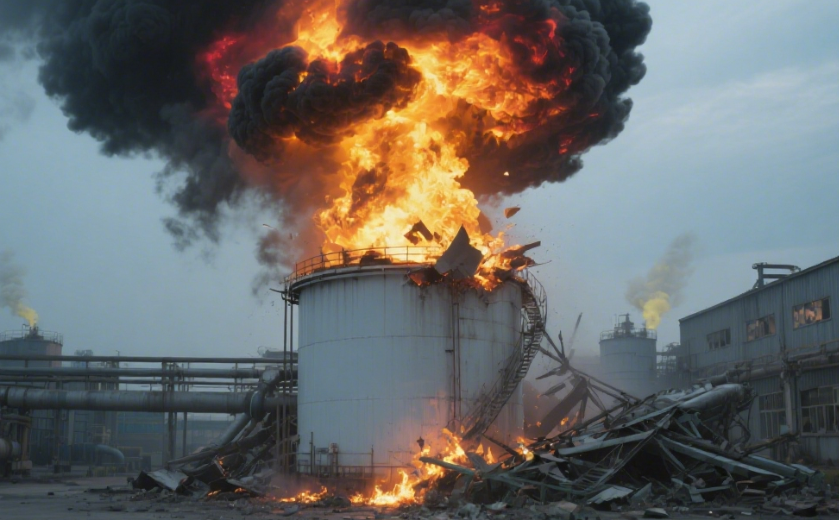
Drone attack on Russian chemical plant
In July 2025, a drone attack on the Shekinoyazot chemical plant in Russia’s Tula region caused a fire to break out in a methanol storage tank, damaging the production facility and releasing toxic gases. The plant is Russia’s main supplier of methanol, which is used not only in industry but also in military fuel production.…
-
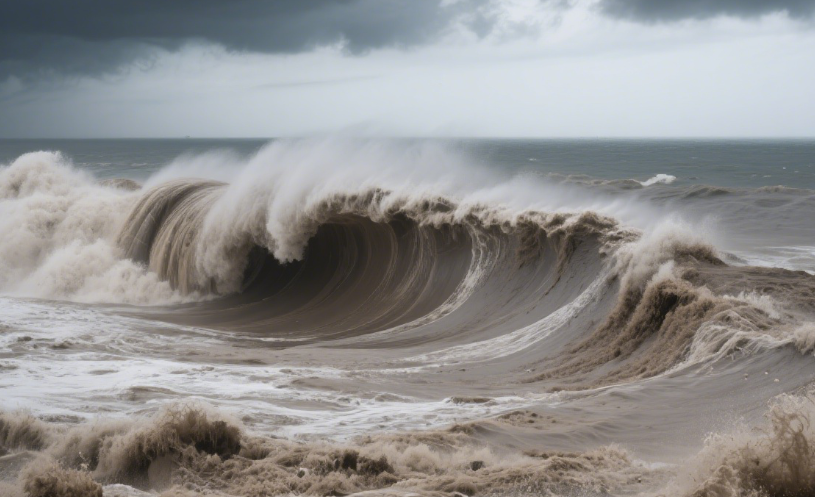
Trans-oceanic tsunami triggered by an 8.8 magnitude earthquake in Kamchatka: environmental crisis and ecological challenges
On July 30, 2025, an 8.8 magnitude earthquake struck off the eastern coast of the Kamchatka Peninsula, Russia, triggering a trans-oceanic tsunami that affected many countries in the Pacific Rim, posing multiple threats to marine ecosystems and coastal environments. The earthquake was the strongest in the Kamchatka Seismic Zone since 1952, with tsunami waves 90…
-
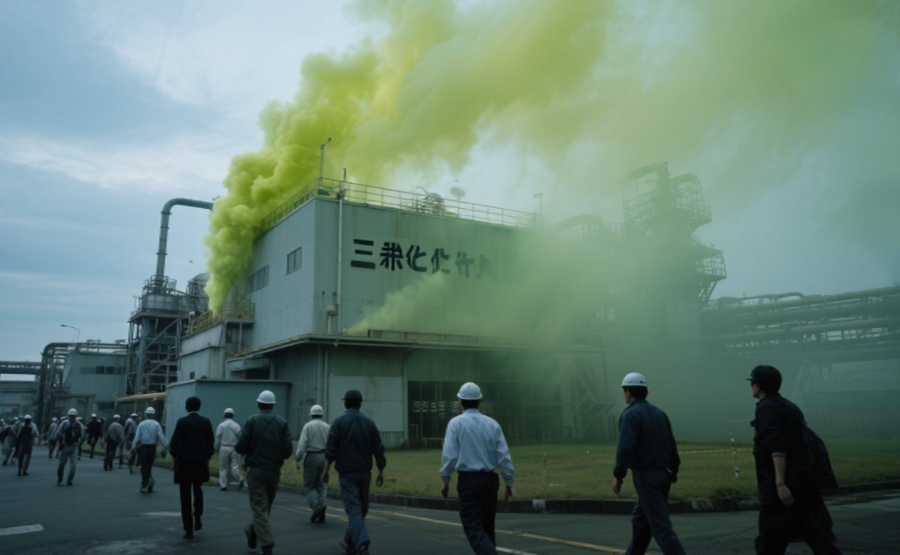
Chlorine gas leak in Fukuoka, Japan
A chlorine-based gas leak at Mitsui Chemicals’ Omuta Plant resulted in 42 people in the vicinity being sent to the hospital, five of whom required hospitalization for observation. The leak occurred during the trial operation phase of the plant after maintenance and coincided with a traditional local festival, the “Omuta Ojakusan Festival,” which forced the…
-
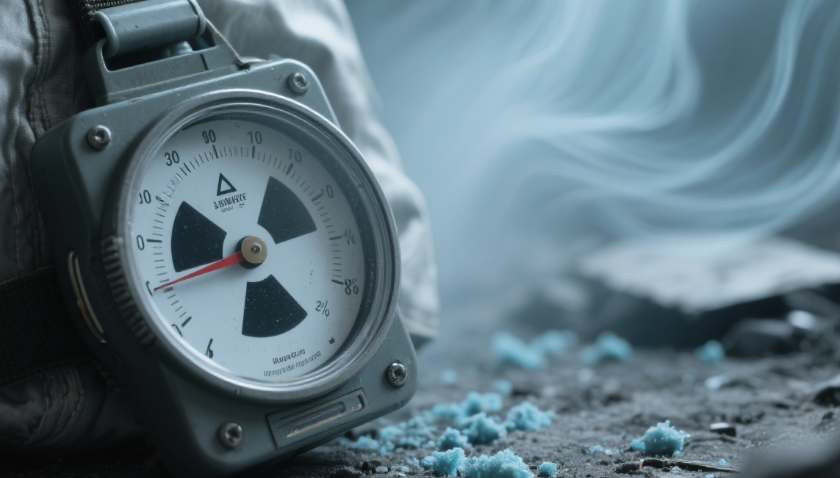
Zaporozhye Nuclear Power Plant Attacked
On the evening of July 12, an “unusual” intense shooting took place near the Zaporozhye nuclear power plant, scattering shell casings near the reactor units. The International Atomic Energy Agency warned that a radiation leak at the plant could affect millions of people.
-
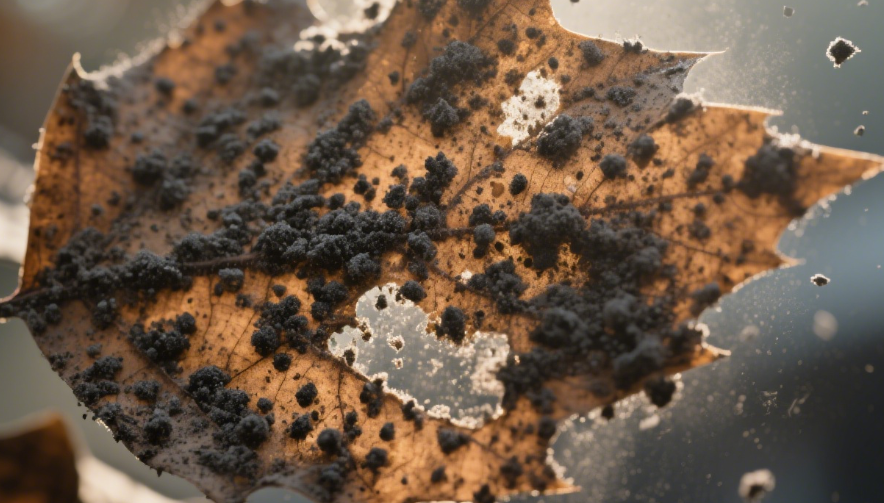
Exposure to Environmental Racism in the U.S.
The American Lung Association reports that PM2.5 exposure levels are 34% higher in African-American and Hispanic communities than in white communities. In Texas flooding, low-income neighborhoods had 2.3 times the death rate of affluent neighborhoods due to lack of early warning equipment.
-
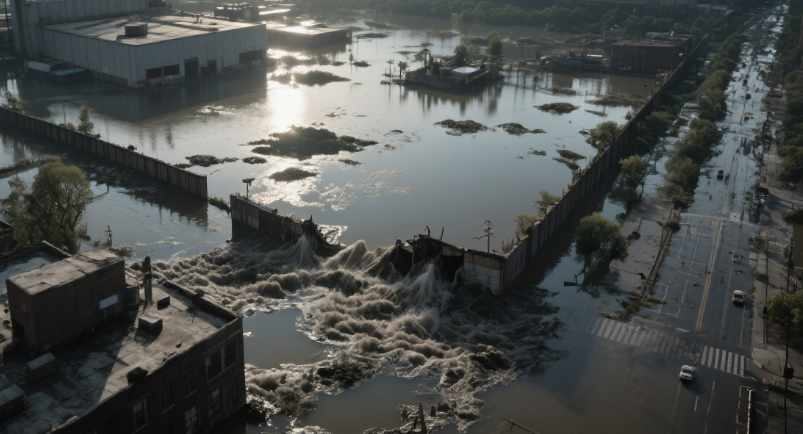
Heavy rainfall in New York triggers urban ecological crisis
On the night of July 14th, New York’s Central Park received 5 cm of rain in one hour, the second highest on record. The storm paralyzed the subway system, flooded major roads, and put the state of New Jersey under a state of emergency. The flooding of the city led to the backup of industrial…
-
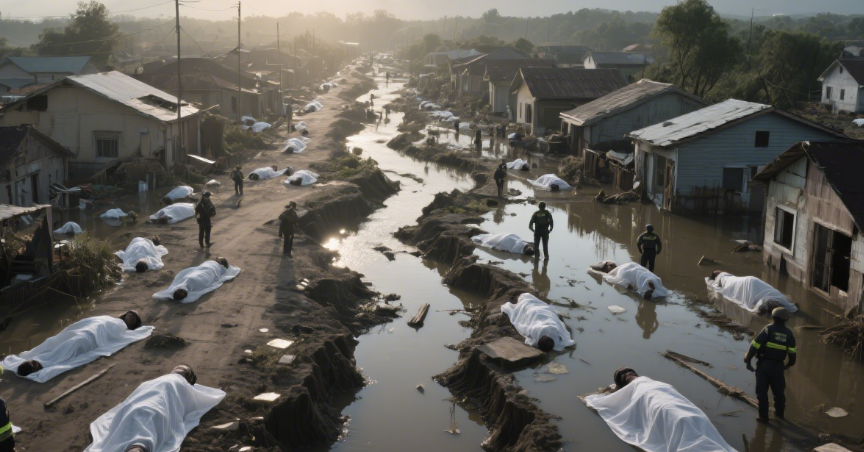
Flooding in Texas Has Killed 128
Flash flooding that broke out on July 4 has left 128 dead and 150 missing, including 27 summer camp children who are still unaccounted for. The National Weather Service’s first flash flood warning was an hour later than the actual disaster and covered only 60 percent of the affected area because of vacancies in key…
-
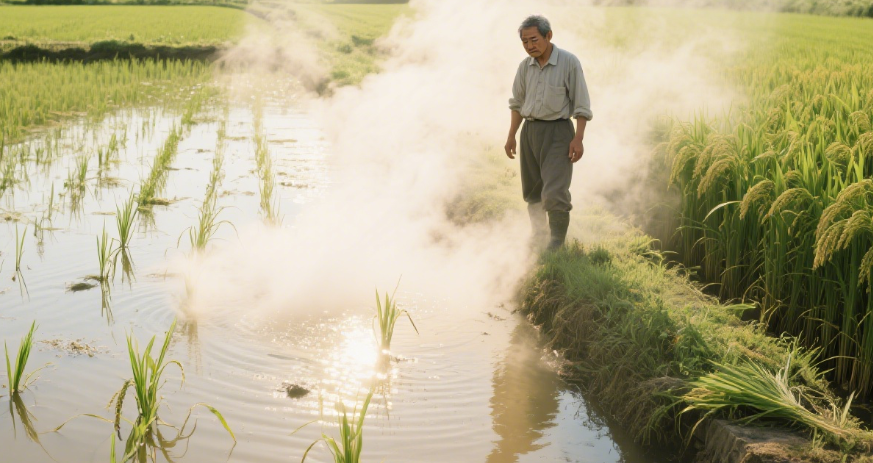
Extreme heat leads to ecological collapse in Japan
In June, the water temperature in rice paddies in many parts of Japan exceeded 41℃, and about one ton of crayfish died due to the high temperature, with some of the shrimp bodies showing a boiled state. High temperatures lead to accelerated evaporation of soil moisture, agricultural irrigation needs surge, Iwate Prefecture, mountain fires over…