-
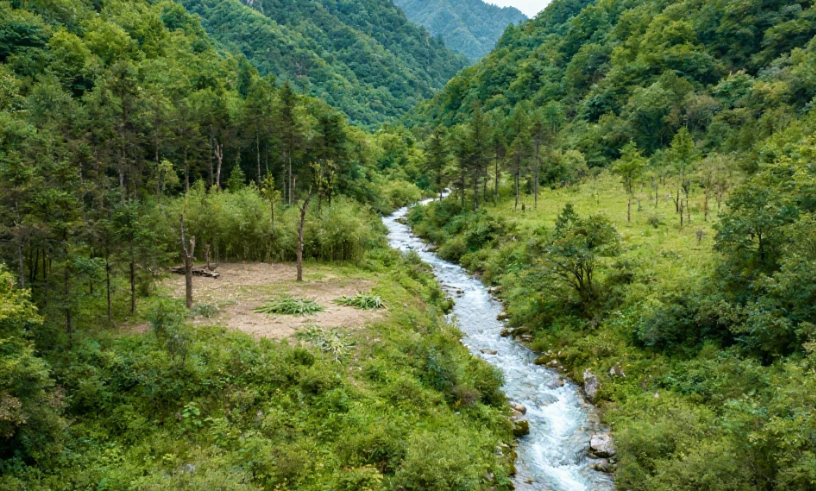
IUCN Green List Adds New Chinese Sites
—
The International Union for Conservation of Nature (IUCN) has announced that eight Chinese protected areas, including the Changqing National Nature Reserve in Shaanxi and the Tianshan World Natural Heritage Site (Bogda Section) in Xinjiang, have been added to its Green List. This brings China’s total to 25 sites, tying it with France for the highest…
-
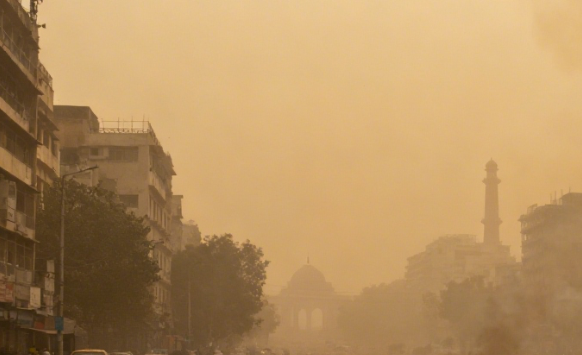
Deadly Smog Blankets New Delhi, India
—
On October 20 local time, PM2.5 concentrations in India’s capital New Delhi and surrounding areas surged to 248 micrograms per cubic meter—exceeding the World Health Organization’s safety threshold by over 16 times—with the Air Quality Index (AQI) reaching the “very unhealthy” level. This pollution resulted from a combination of winter temperature inversions, stubble burning in…
-

Green Energy Cooperation Achieves Breakthrough
—
Bayer China announced a joint agreement with China National Grid to transition all production sites to 100% green electricity starting in 2026—four years ahead of its global target. The initiative is projected to reduce annual carbon emissions by 19,800 metric tons, cut energy costs by 6%, and serve as a model for managing Scope 3…
-
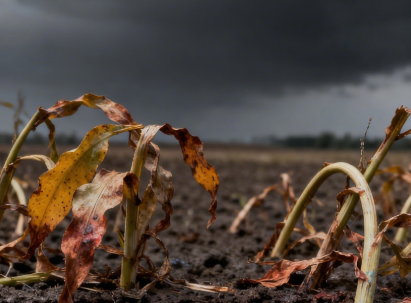
15% of the world’s farmland is contaminated with toxic heavy metals
—
Recent research reveals that approximately 15% of the world’s farmland poses a threat to food security due to excessive levels of heavy metals like arsenic and cadmium, with South Asia, the Middle East, and parts of Africa being particularly affected. Cadmium contamination has caused rice in some regions of India to exceed heavy metal limits…
-
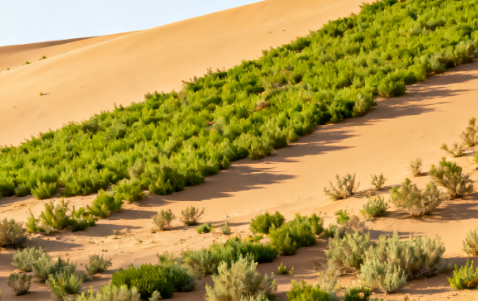
Ecological Restoration and Green Energy: A Win-Win Solution
—
China’s Gansu Electric Power Investment Corporation has achieved remarkable results with its Jiudun Tan photovoltaic desertification control project. Adopting the core model of “power generation above panels, desertification control below,” the project has not only leveled 1,200 mu (approximately 80 hectares) of sand dunes—boosting regional vegetation coverage from under 5% to over 35%—but also cumulatively…
-
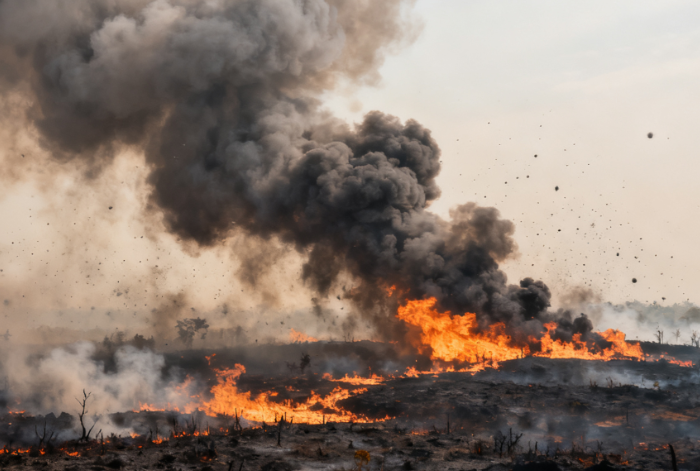
Southeast Asia’s burning season persists, with Singapore facing moderate haze risk
—
As of October 16, the number of fire hotspots on Indonesia’s Sumatra island surged 14-fold compared to the previous two weeks, with light haze observed in parts of Malaysia. Singapore’s National Environment Agency (NEA) warned that persistent drought could lead to cross-border smoke impacts in mid-to-late October. However, frequent rainfall has prevented a significant escalation…
-
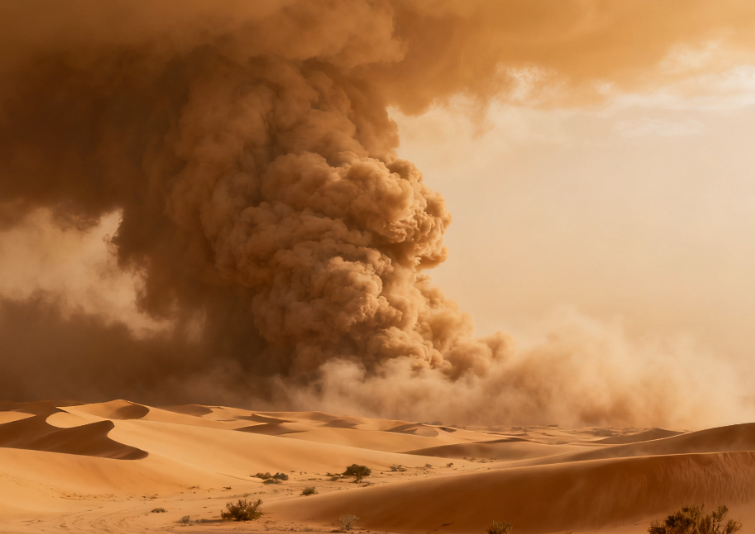
Sahara Dust Storm Sweeps Across Mediterranean to Europe
—
On October 15, a powerful dust storm originating from the Sahara Desert crossed the Mediterranean Sea, affecting multiple regions in Spain. Skies turned orange in cities including Madrid and Granada, with PM10 concentrations exceeding 500 micrograms per cubic meter in several areas—10 times the EU safety threshold. The orange dust cloud not only altered regional…
-

IUCN World Conservation Congress Outcomes
—
At the IUCN World Conservation Congress in Abu Dhabi in 2025, the endangered status of Arctic seals took center stage: The hooded seal was upgraded from “Vulnerable” to ‘Endangered’ due to melting sea ice, while the bearded seal and harp seal shifted from “Least Concern” to “Near Threatened.” This assessment is based on scientific evidence…
-

IUCN World Conservation Congress
—
The China Scenic and Historic Interest Areas Association showcased achievements in World Heritage conservation at a side event in Abu Dhabi, with sites like Huanglong and Jingbo Lake sharing experiences in community co-management. As a member of the IUCN Green List, Huangshan’s ecological conservation model has been incorporated into the global case repository, advancing the…
-
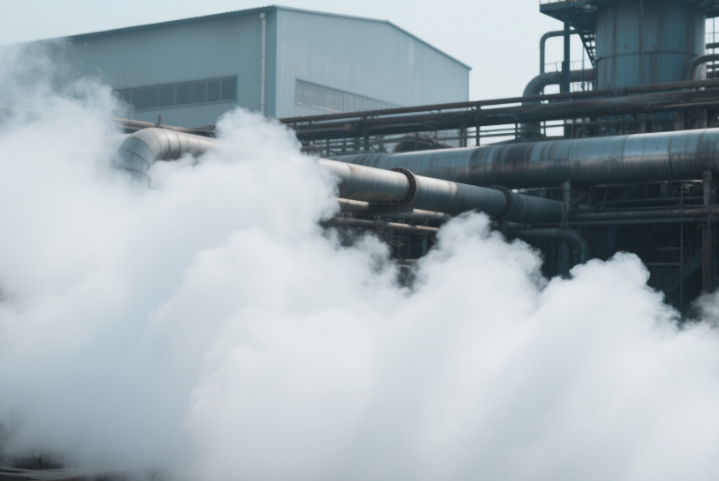
Military Conflict Triggers Secondary Pollution
—
On October 9, Ukrainian forces destroyed the Togliatti-Odessa ammonia pipeline during their retreat, causing a massive leak of liquid ammonia. The escaping ammonia formed a white cloud of gas. While no casualties were reported, the incident may cause long-term contamination of surrounding soil and water sources.