-
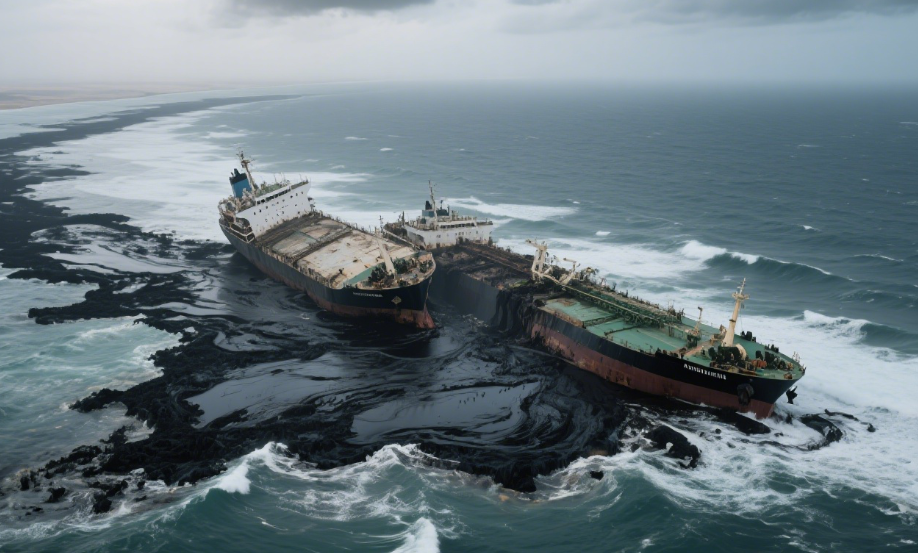
Ecological ripple effect of tanker collision in the Gulf of Oman
—
On June 17, 2025, a two-vessel collision in the Gulf of Oman near the Hulfekan anchorage resulted in a fire and leakage of fuel oil from a tanker’s bunker. Although the accident did not directly result in a large-scale crude oil spill, navigation anomalies (e.g., GPS signal spoofing) caused by electronic interference have resulted in…
-
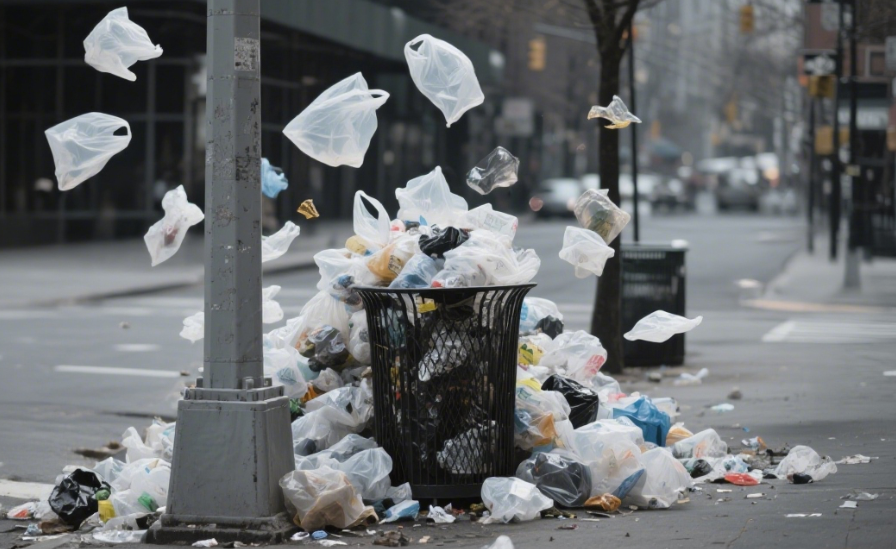
Global Plastic Pollution Control Enters Tackling Stage
—
World Environment Day 2025 is themed “End Plastic Pollution”, and more than 150 countries have responded: the European Union has fully implemented the Single-Use Plastic Ban, Kenya has launched the “Plastic Recycling for Healthcare” program, and China has initiated the “Three-Year Action Plan on Plastic Pollution Control”. China launched the “Three-Year Action on Plastic Pollution”.…
-

South Carolina Paper Mill Has Highest Mercury Emissions in U.S.
—
The Environmental Integrity Project reports that the New Indy, South Carolina paper mill has not only generated nearly 50,000 complaints from residents for its pungent odor, but also has the highest airborne mercury emissions of any large paper mill in the United States. The mill emitted 41 pounds of mercury and 42,116 pounds of zinc…
-
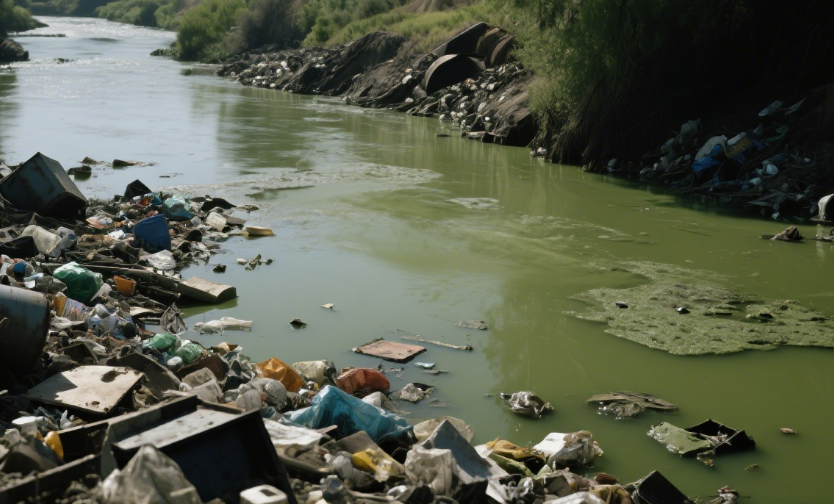
Groundwater Overdraft and Pollution Rising in California
—
Long-term uncontrolled mining has led to a steady decline in California’s groundwater levels, with groundwater basins in agricultural-intensive areas such as the San Joaquin Valley declining by an average of nearly 4 feet per year. At the same time, nitrate contamination, soil salinization, and natural elemental contamination (e.g., boron, mercury) threaten the safety of drinking…
-

UNEP Releases Environmental Guidelines for Data Centers
—
On June 12, the United Nations Environment Program (UNEP) released its “Guidelines for Sustainable Procurement of Data Centers,” which address the surge in energy consumption in data centers brought about by AI and digital development, and propose measures to reduce the environmental impact through green energy use, water recycling, etc. The guidelines note that the…
-
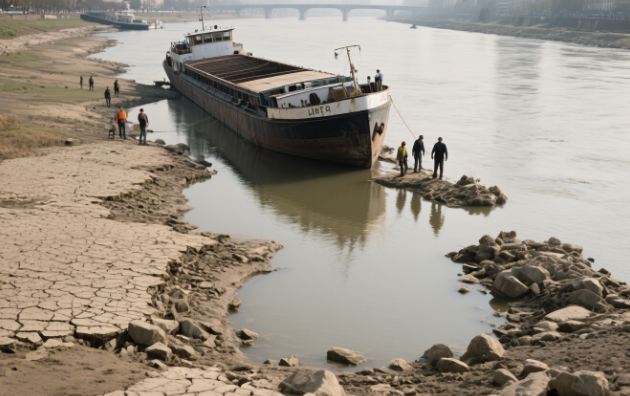
Europe’s Heat Wave: Drying Rivers Threaten Ecology and Economy
—
In June 2025, extreme heat in Europe has reduced the flow of major rivers such as the Rhine and Danube to record lows. The Cologne section of the Rhine is less than 2 meters deep, reducing barge capacity to 25%, and the Federation of German Industries warns of a possible shortage of raw materials for…
-
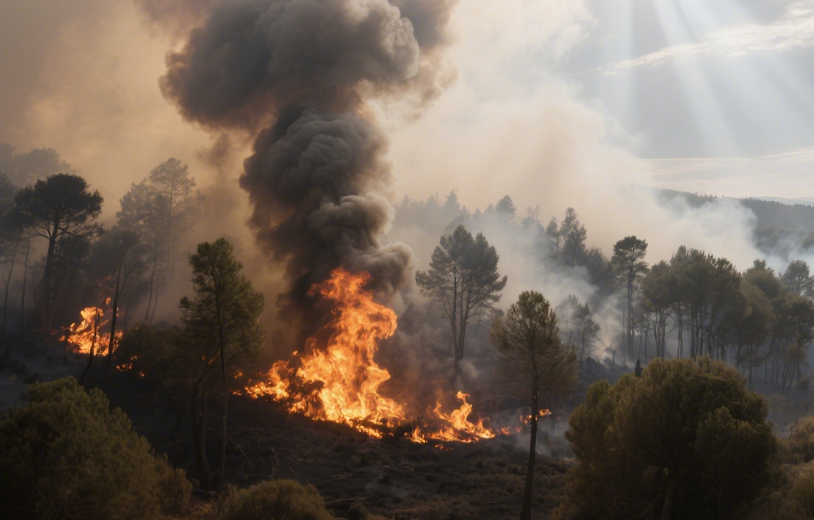
Forest fires and ecological crisis caused by high temperatures in many European countries
—
On June 9, 2025, southern European countries such as Spain, France, Portugal, and Italy were hit by a rare heat wave, with temperatures exceeding historical extremes in many places, reaching over 40°C in some areas. The high temperatures led to frequent forest fires, which spread rapidly through dry vegetation, releasing large amounts of harmful gases…
-
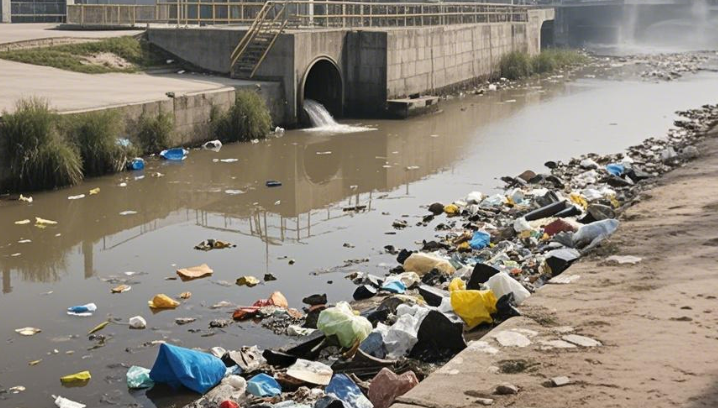
Water and Plastic Pollution in Greece
—
The European Union ruled on June 5 that Greece is in breach of the Water Framework Directive and the Floods Directive for failing to complete a river basin management plan and for substandard treatment of municipal wastewater. According to the ECJ, Greek beaches are heavily polluted with plastic, with an average of 464 pieces of…
-
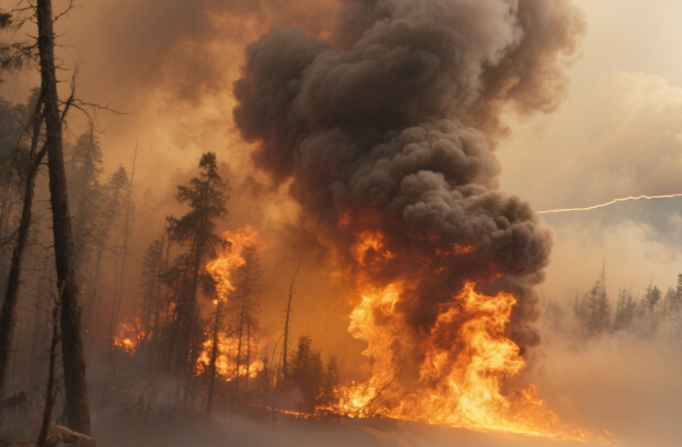
Canadian Wildfires Spark Transnational Air Pollution Crisis
—
Wildfires continued to spread across Canada, with 181 active wildfires across the country as at 2 June, 90 of which were out of control. The fire threatened to shut down oil sands operations in northern Alberta, covering more than 615 square kilometers and evacuating about 200 residents. The smoke spread southward in the winds, causing…
-
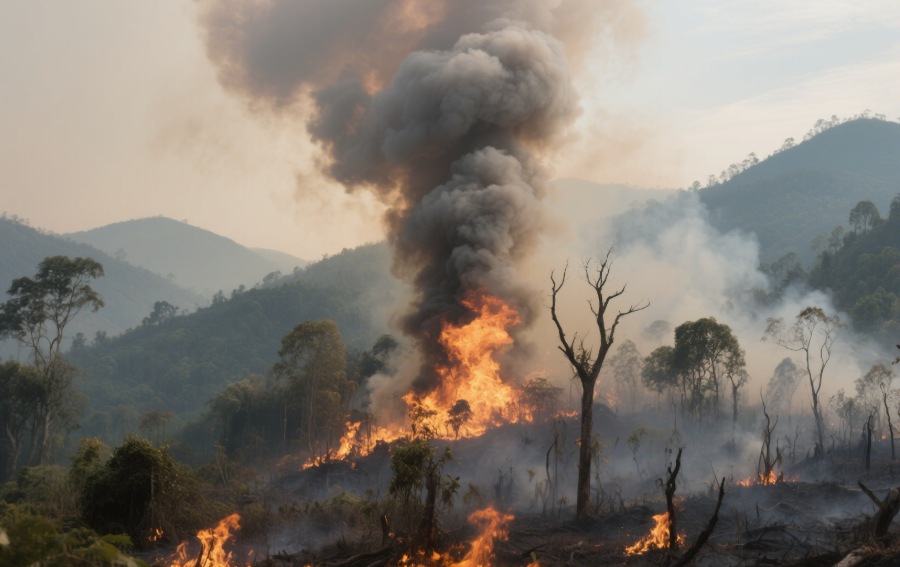
Southeast Asia’s mountain burning triggers Yunnan cross-border haze
—
On May 26, mountain-burning activities in Myanmar and Laos caused PM2.5 concentrations in Yunnan’s border areas to soar to 15 times international standards, with visibility of less than 500 meters in Pu’er and Xishuangbanna. Satellite monitoring shows that the average number of fires in Southeast Asia is nearly 2,000 per day, and smoke is transmitted…