-

Europe’s Environmental Shift in the Face of High Temperatures
—
Between May and July 2025, Europe suffered the worst heat disaster in 150 years, with more than 2,300 people killed by extreme heat across Europe, and 1,180 killed in Spain alone, a ten-fold increase in the death rate year-on-year. The EU report shows that Europe is warming twice as fast as the world, extreme heat…
-
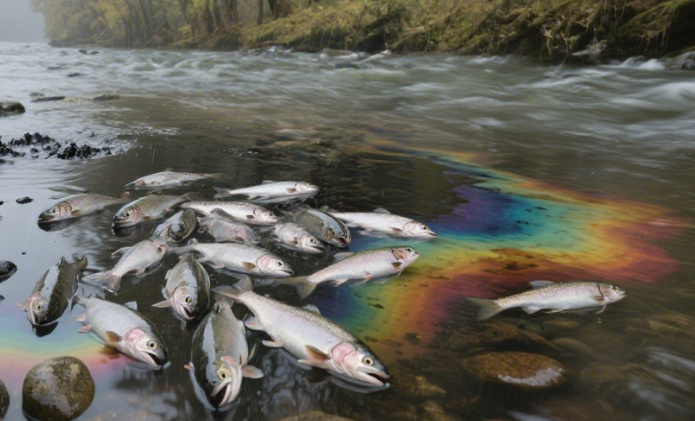
Oil spill on Washington State highway causes massive fish kill
—
In July 2025, a tanker truck rollover on the Olympic Peninsula in Washington State, USA, spilled some 10,590 liters of gasoline into Indian Creek, killing at least 2,130 fish, including thousands of salmon fry. The spill rippled through newly restored salmon habitat (a tributary of the Elwha River), which the governor called a “heartbreaking” ecological…
-
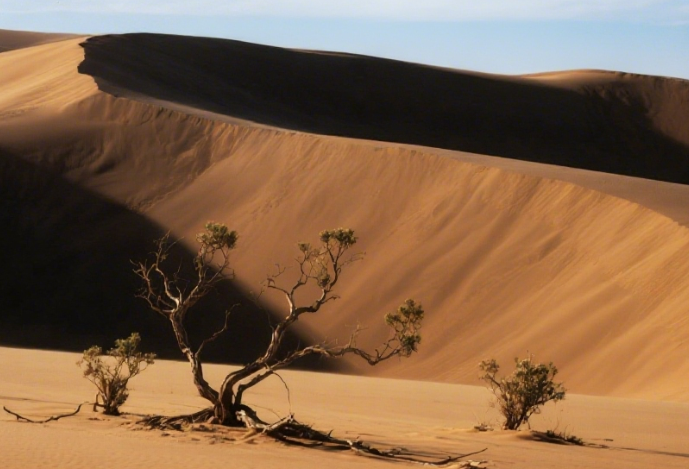
Saharan Dust Crosses Oceans to Hit Europe and the Americas
—
In the first half of 2025, Saharan dust was repeatedly transported long distances through the atmospheric circulation, affecting Central European countries such as Austria and Italy, leading to significant increases in PM10 concentrations. Meanwhile, the dust cloud reached the Caribbean Sea in April, and scientists warn that such events may become more frequent as the…
-
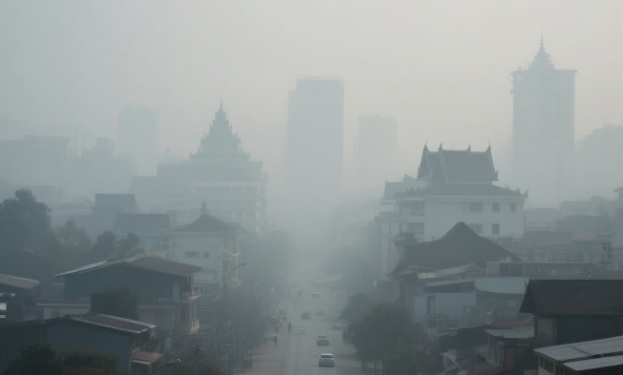
National Air Pollution Crisis in Laos
—
Laos suffers from severe haze during the dry season, with PM2.5 concentrations reaching up to 218 µg/m3 (the safety threshold is 50 µg), and the Air Quality Index (AQI) of the capital city of Vientiane and other places persistently ranging from 117 to 269. The causes and impacts of the crisis are a combination of…
-
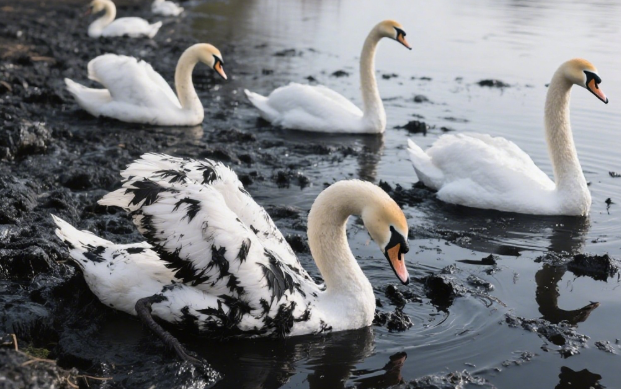
Dublin park in ecological crisis after sudden diesel spill
—
On July 24th, a serious diesel spill occurred in Kilbogget Park, south of Dublin, Ireland, from the Bank of Ireland Cabinteely site. The spill caused a noxious odor throughout the lagoon and covered a number of swans in contaminated sludge, in what wildlife rescue organizations described as the worst oil spill in 12 years. Local…
-
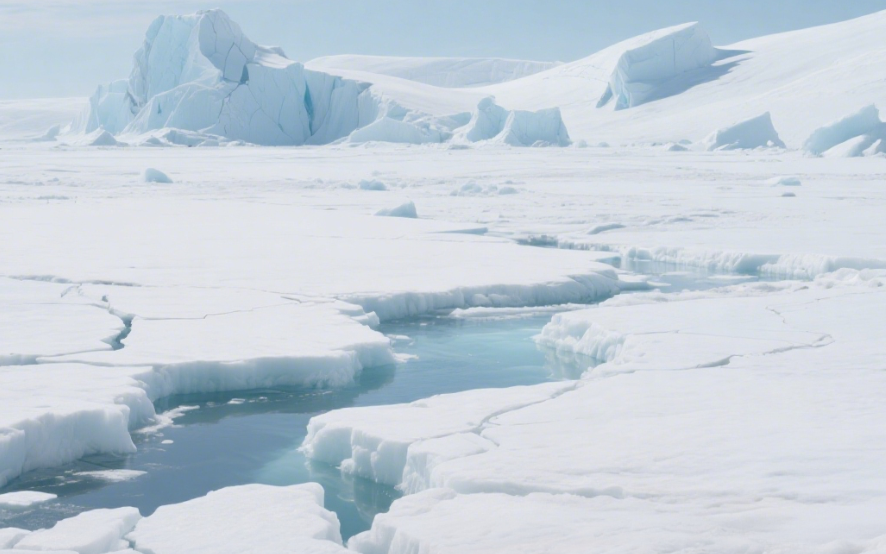
Cryosphere Recession and Pathogen Release
—
Microorganisms sealed by glaciers have survived extreme cold and high-pressure environments and may have evolved unique resistance (including drug resistance). For example, Bacillus anthracis found in the Siberian tundra was responsible for the 2016 outbreak that killed thousands of reindeer, and “P-bacteria” in the Alaskan tundra are resistant to a wide range of antibiotics, and…
-
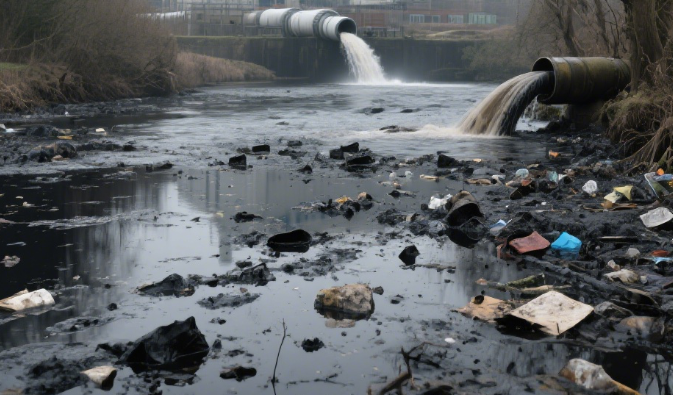
England’s water pollution crisis
—
A report released by the UK Environment Agency shows that water company pollution in England continues to worsen, with serious pollution incidents surging by 60% in 2024 compared to the previous year, and three companies, including Thames Water, responsible for 81% of serious incidents. The report notes that leaks upstream of sewers directly affect protected…
-
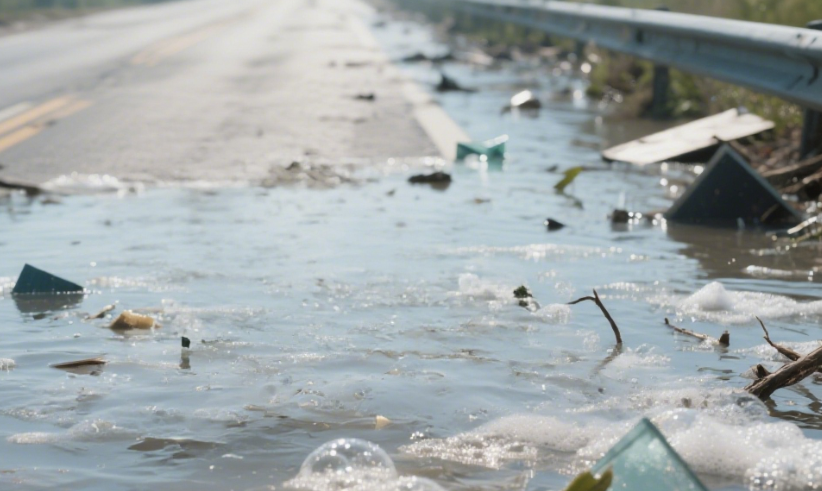
Mississippi River Flooding Linked to Climate Change
—
In mid-July, flood warnings were issued for sections of the Missouri and Illinois rivers in the United States due to heavy rainfall, with Clarksville reaching 25.5 feet (about 7.77 meters) of water, resulting in flooding of State Highway P. The flood warnings were issued for the Missouri and Illinois rivers in mid-July. This phenomenon is…
-
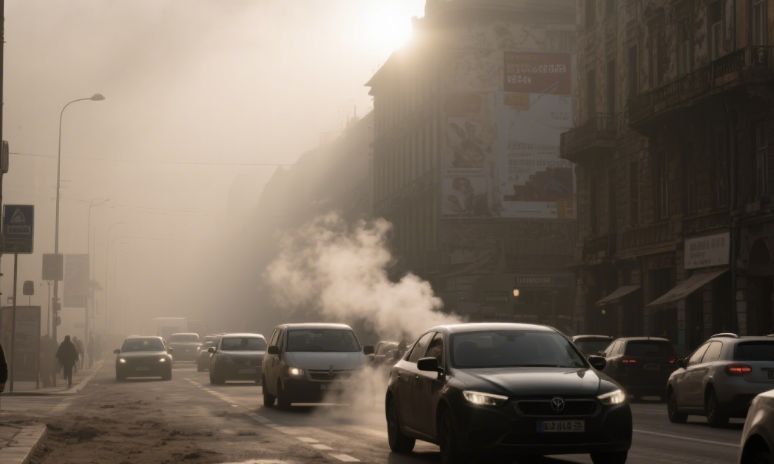
Implementation of EU Green Policies Blocked
—
The European Commission’s “Nature’s Credit” roadmap, launched on July 8, has been criticized as a “paper exercise”, with member states disagreeing on the criteria for determining corporate environmental responsibility. France’s far-right political parties have taken the opportunity to attack the government’s green policy, calling for a moratorium on renewable energy projects.
-
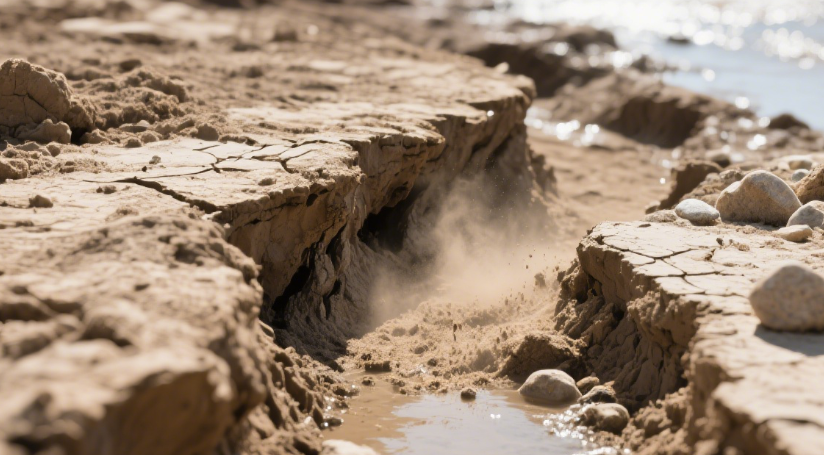
Spain’s Heat Disaster Escalates
—
Spain’s health ministry data showed on July 14 that the number of deaths due to high temperatures reached 1,180 from May 16 to July 13, a surge of 1,035% compared with the same period in 2024, 95% of whom were over 65 years old. Traditionally cooler regions such as northern Galicia have been hardest hit…