-
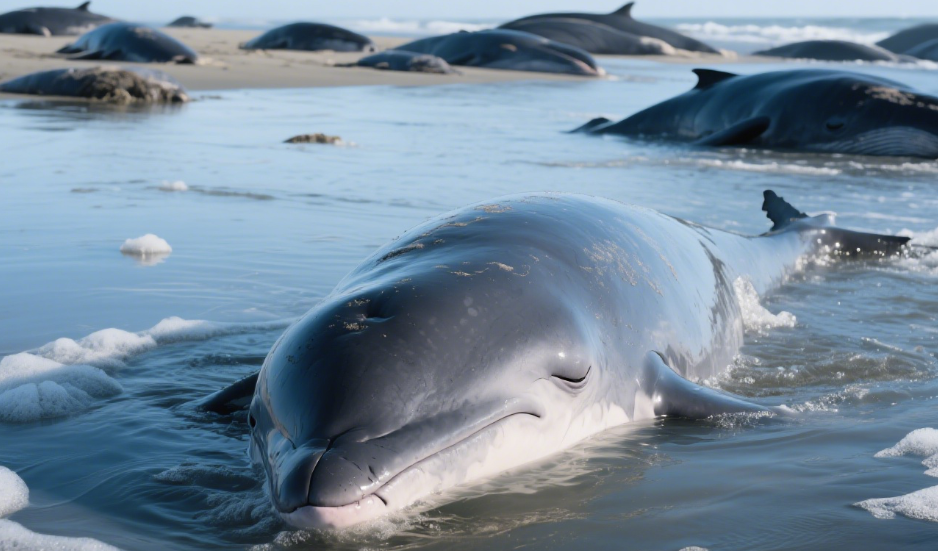
Mass stranding of 350 short-limbed pilot whales on Yemen’s Socotra Island
In June 2025, a group of about 350 short-limbed pilot whales stranded on Nit Beach, Socotra Island, Yemen, in one of the largest cetacean die-offs in the region in recent years. Although local fishermen and residents mounted a rapid rescue effort and managed to push back 10 whales, the whales soon returned to the shallows…
-
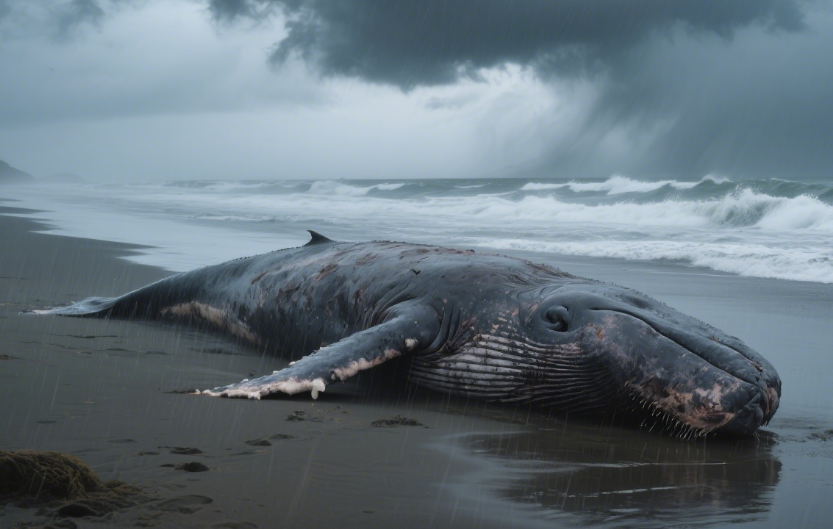
Oregon Sperm Whale Boat Strike, USA
The carcass of a 15-meter male sperm whale washed ashore in Delray Beach, Oregon. An autopsy revealed severe vertebral damage with internal bleeding, consistent with a high-speed vessel strike. The sperm whale was found floating 24 kilometers offshore, and two days later the carcass drifted 13 kilometers offshore before finally stranding. According to the Cascadia…
-
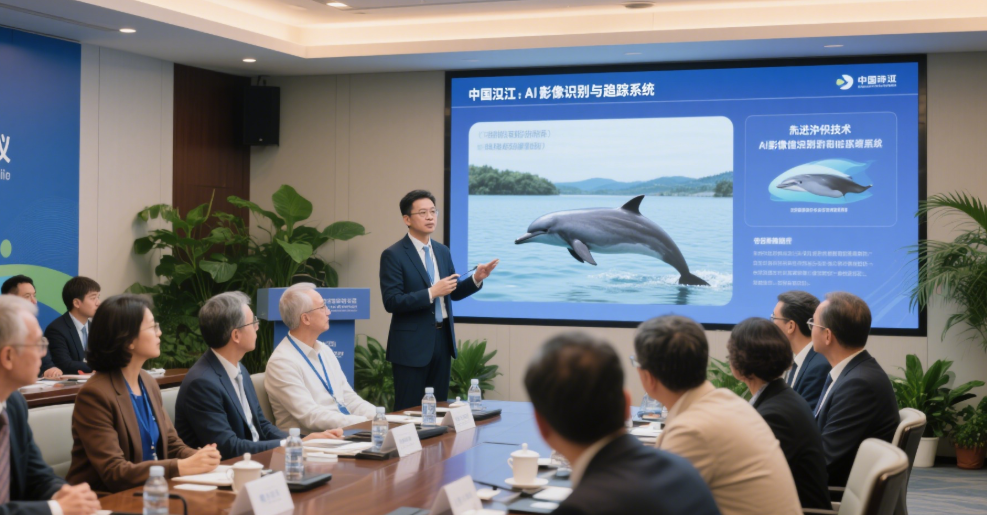
China releases the world’s first “International Small Cetacean Conservation Research Program”
2025 On May 28, at the launching ceremony of the fifth “National Dolphin Friendly Month,” the world’s first “International Small Cetacean Conservation Research Program ” was officially released to the public. This is China’s first international public welfare and conservation initiative to promote cetacean conservation technology and experience at sea, and will systematically integrate cutting-edge…
-
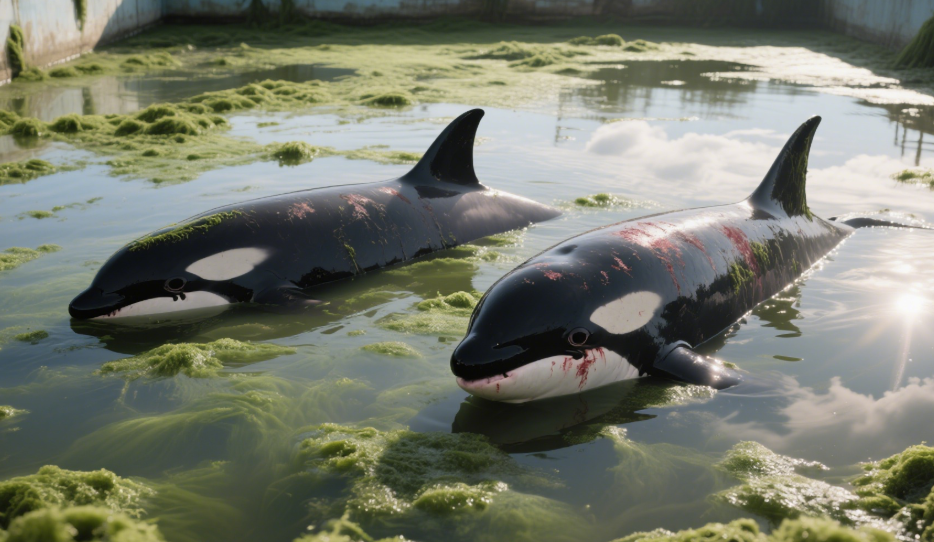
Mother and Son of Captive Orcas Dying in France
In May 2025, drone footage released by the animal protection organization TideBreakers showed a 23-year-old orca mother, Wikie, and her 11-year-old son, Keijo, trapped in abandoned pools of algae-infested, deteriorating water after the closure of France’s Antibes Marine Park. The park, which once received 1.2 million visitors a year, closed in January for violating France’s…
-
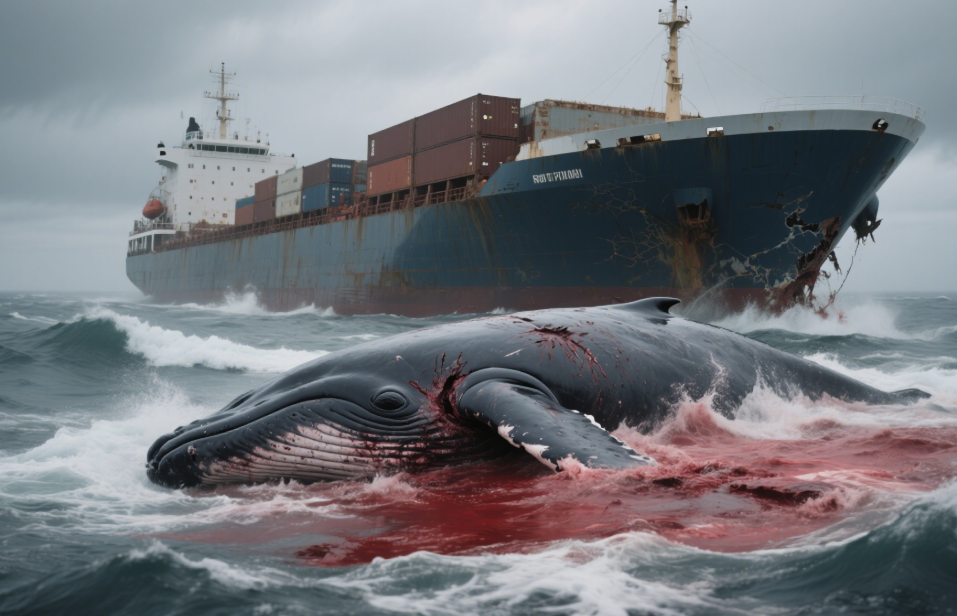
U.S. Navy sonar training controversy
The U.S. Navy’s recent application to increase the number of whale collisions allowed in Southern California and Hawaii waters from three to five has sparked strong opposition from environmental groups. There have been a number of ship collisions in the region, including the death of a mother and calf by an Australian Navy ship. Although…
-
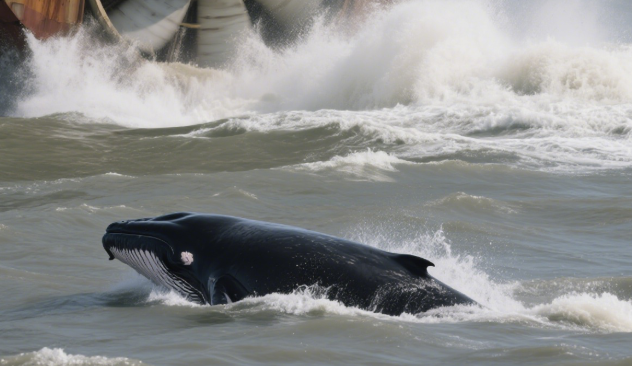
Cetacean conservation: the hidden crisis of propeller injuries and sonar interference
A proposal submitted by the China Green Development Council (CGDC) on “Open Propeller Deaths of Endangered Species” to be discussed at the World Conservation Congress (WCC) in 2025 calls for mandatory installation of acoustic warning systems in Important Marine Mammal Areas (IMMAs). Studies have shown that physical injuries caused by ship propellers account for 19%…
-
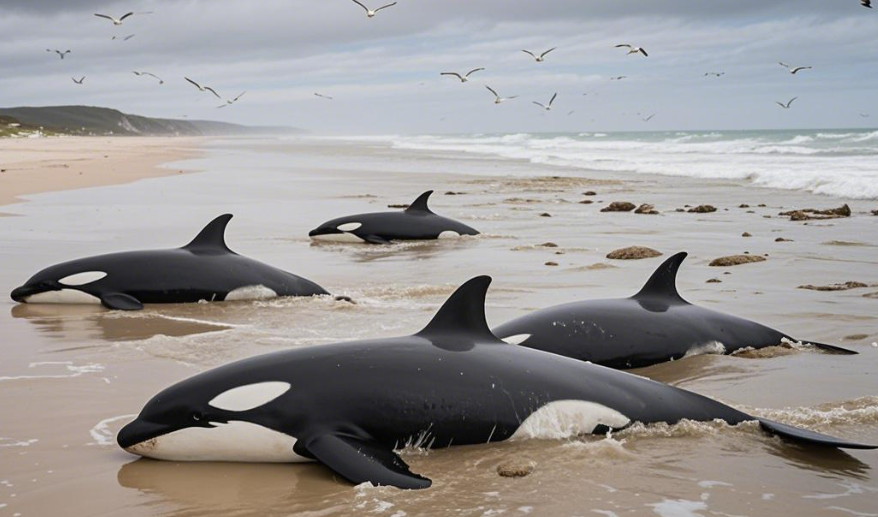
Cetacean Conservation: Stranding Incidents and Rare Species Appearances
The stranding of seven false killer whales, four of which died on May 5 at Howth Beach, Western Australia, Australia, was another major ecological event following the 2024 mass stranding of 157 false killer whales in Tasmania. Marine biologists suggest that the matrilineal social structure of false killer whales leads to “follow the leader” group…
-
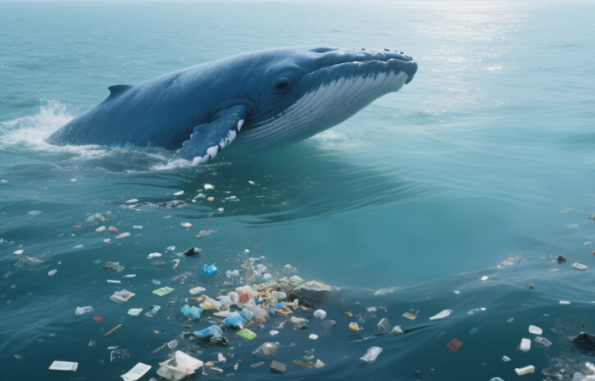
Physiological and toxicological effects of microplastic ingestion
According to a study published in the May 2025 issue of Nature Communications, blue whales off the coast of California, USA, ingest 10 million microplastics per day, and humpback whales 4 million. Persistent organic pollutants (POPs) adsorbed on the surface of microplastics (e.g. polychlorinated biphenyls (PCBs)) are absorbed into the bloodstream through the intestinal tract,…
-
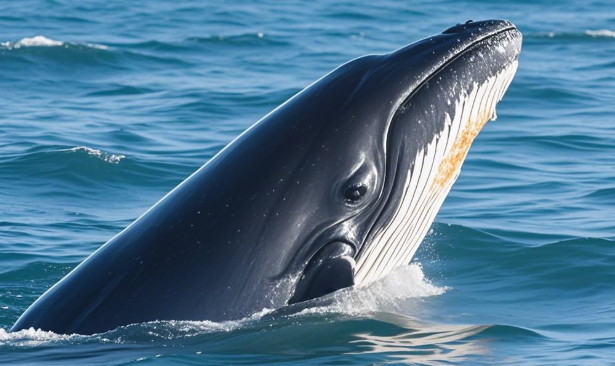
North Atlantic: Endangered Right Whale Reproduction Dilemma
During the 2025 breeding season (November 2024 – April 2025), only 5 new calves were added to the North Atlantic right whale population, which continues to be at a low level (~370 extant). With mortality rates as high as 20% due to entanglement in fishing gear and ship strikes, and with breeding intervals lengthening from…
-
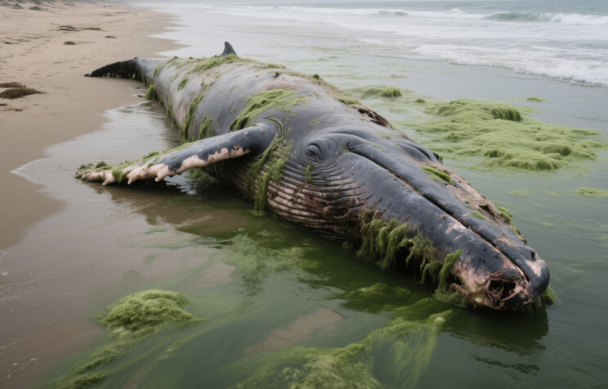
Toxic Algal Bloom Causes Mass Cetacean Deaths
In April 2025, an outbreak of the “worst ever” harmful algal bloom off the coast of Southern California in the United States resulted in the stranding of at least four cetaceans (humpback, minke, and gray whales) due to chondrichthyan acidosis. Autopsies showed that the cetaceans had concentrations of toxins well above safe thresholds and suffered…