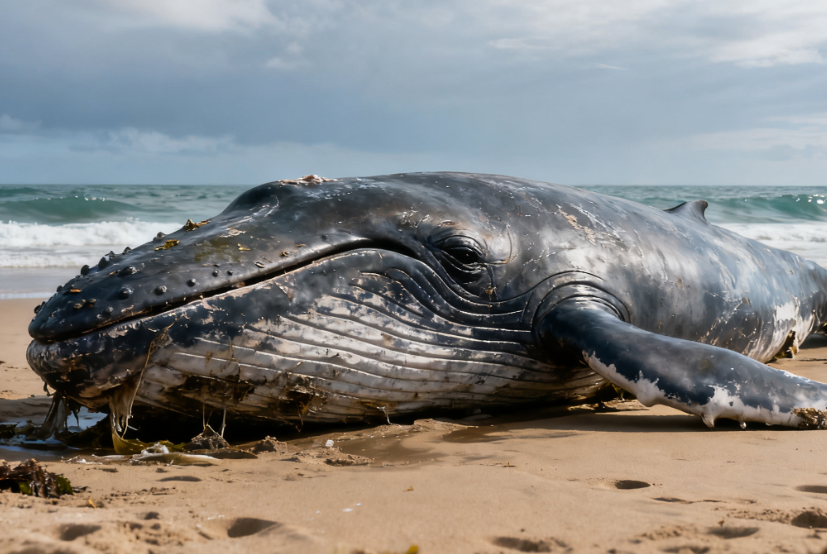
Research findings indicate that scientists from institutions including New Zealand’s Massey University and Australia’s University of Technology Sydney analyzed liver samples from 127 stranded whales and dolphins. They discovered that more than a dozen species of coastal and deep-sea cetaceans—including New Zealand’s endemic Maui’s dolphin—contain perfluoroalkyl and polyfluoroalkyl substances (PFAS), classified as “persistent chemicals.” These substances resist natural degradation, accumulate in cetaceans through the food chain, and disrupt hormonal secretion, immune function, and reproductive capabilities. Their contamination scope and persistence far exceed previous understanding, potentially compounding with other factors to exacerbate the survival crisis of endangered cetacean populations.
Leave a Reply